

 By
By 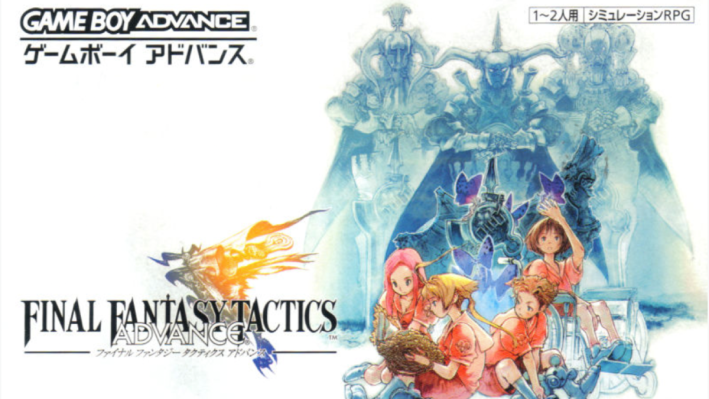
The Game Boy Advance was an incredible platform. It is filled with these extraordinary titles. Especially if you enjoy RPGs or strategy games. It was a fantastic time. What’s also great about it as that some of these GBA games are still the best! They hold up, even decades after the handheld’s 2001 release. Which is why we decided to cite some of the especially worthwhile games you still may want to play. Now, it is important to keep in mind that since Siliconera is a site focused on Japanese games, those are the GBA titles we’ll be looking at the most and recommending! We’re also only focusing on ones that appeared exclusively on the handheld. There are tons of amazing options out there! So think of this more as a start to your GBA journey, rather than some definitive, ranked list of games.
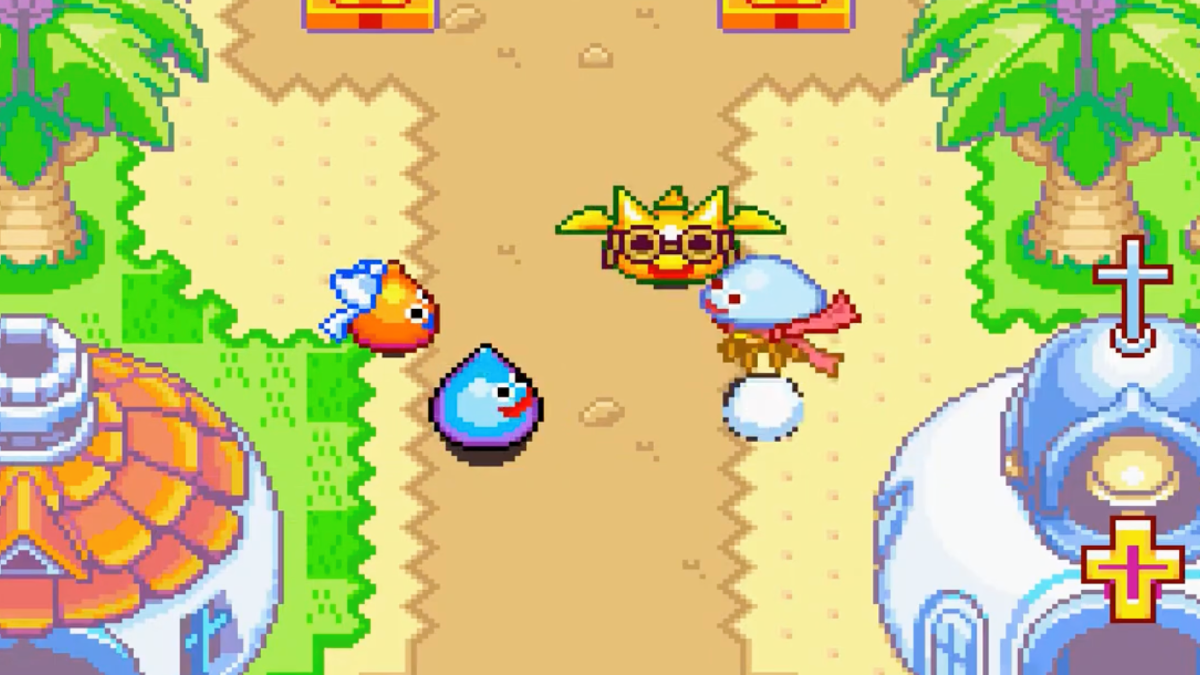
10. Slime Morimori Dragon Quest
This game… well, you’re going to need an English patch to play it! It’s a Japan-exclusive, The Legend of Zelda-style adventure that predated the extraordinary Dragon Quest Heroes: Rocket Slime. While you couldn’t use a stylus to send your slime careening around the screen, it’s still a lovely, wonderful, and personable adventure. 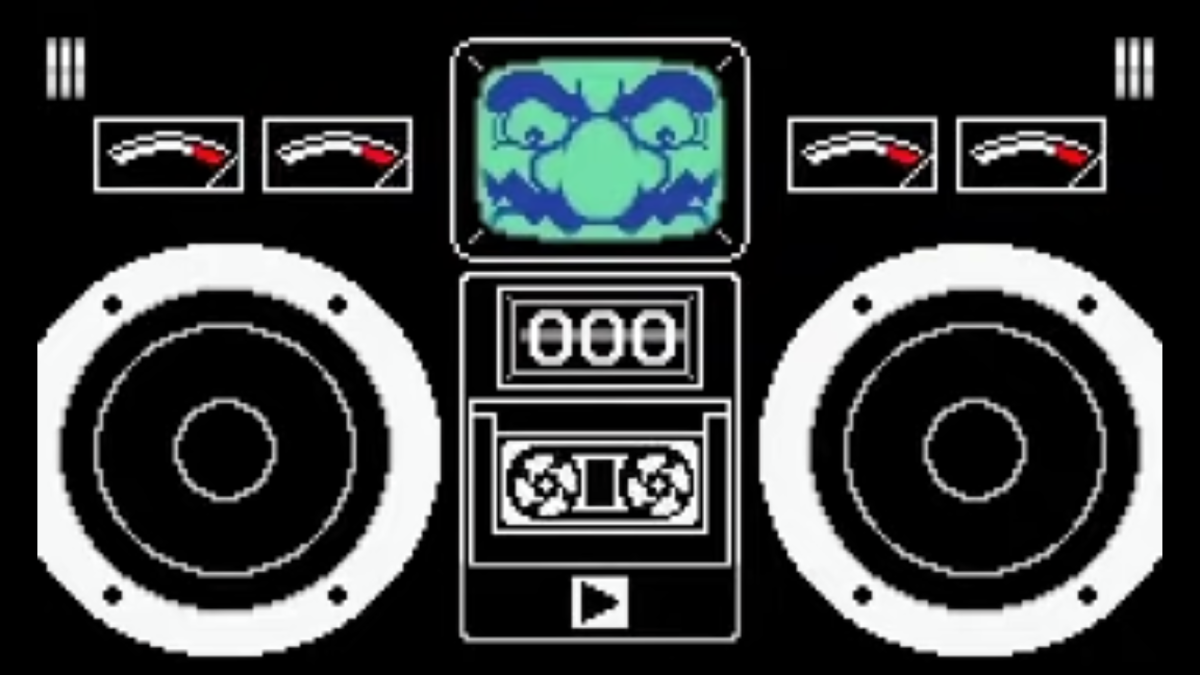
9. WarioWare, Inc.
You know that great WarioWare series? It started here! With this! It’s a great collection of microgames and is still so much fun to play. Especially since you’re also limited by how many buttons you have on a GBA. It is definitely worthwhile. 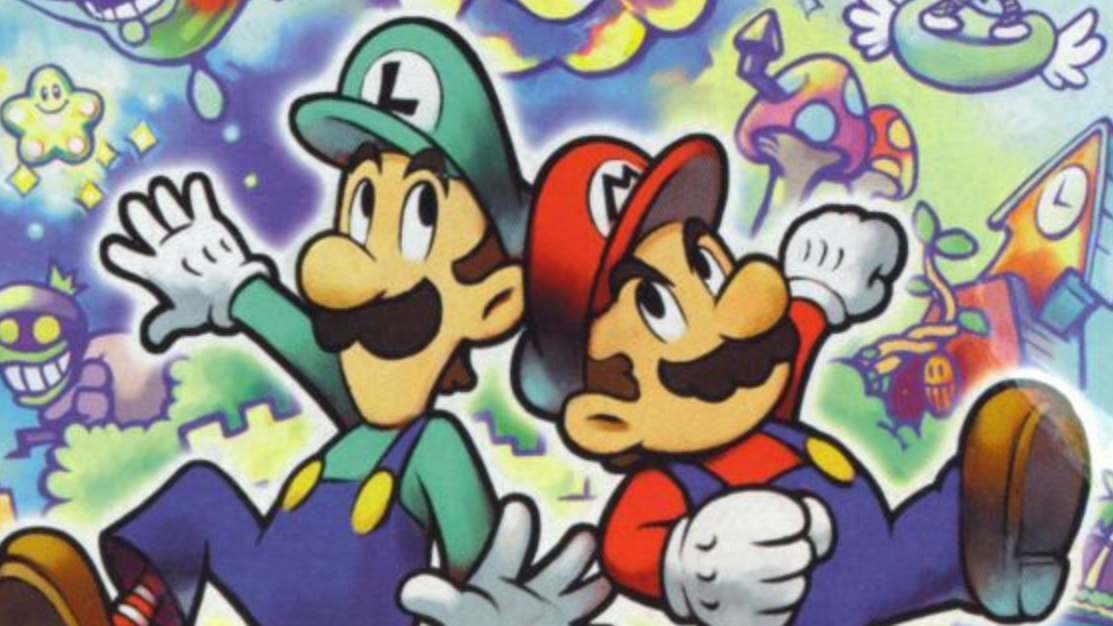
8. Mario & Luigi: Superstar Saga
There are a handful of Super Mario RPG spin-offs, and Mario & Luigi: Superstar Saga kicked off a great line of games. (Well, I mean, technically Alphadream’s Tomato Adventure kicked off this sort of RPG. But still!) It’s a fun RPG with Mario and Luigi as the focus, it uses established characters and lore well, and it still looks amazing. 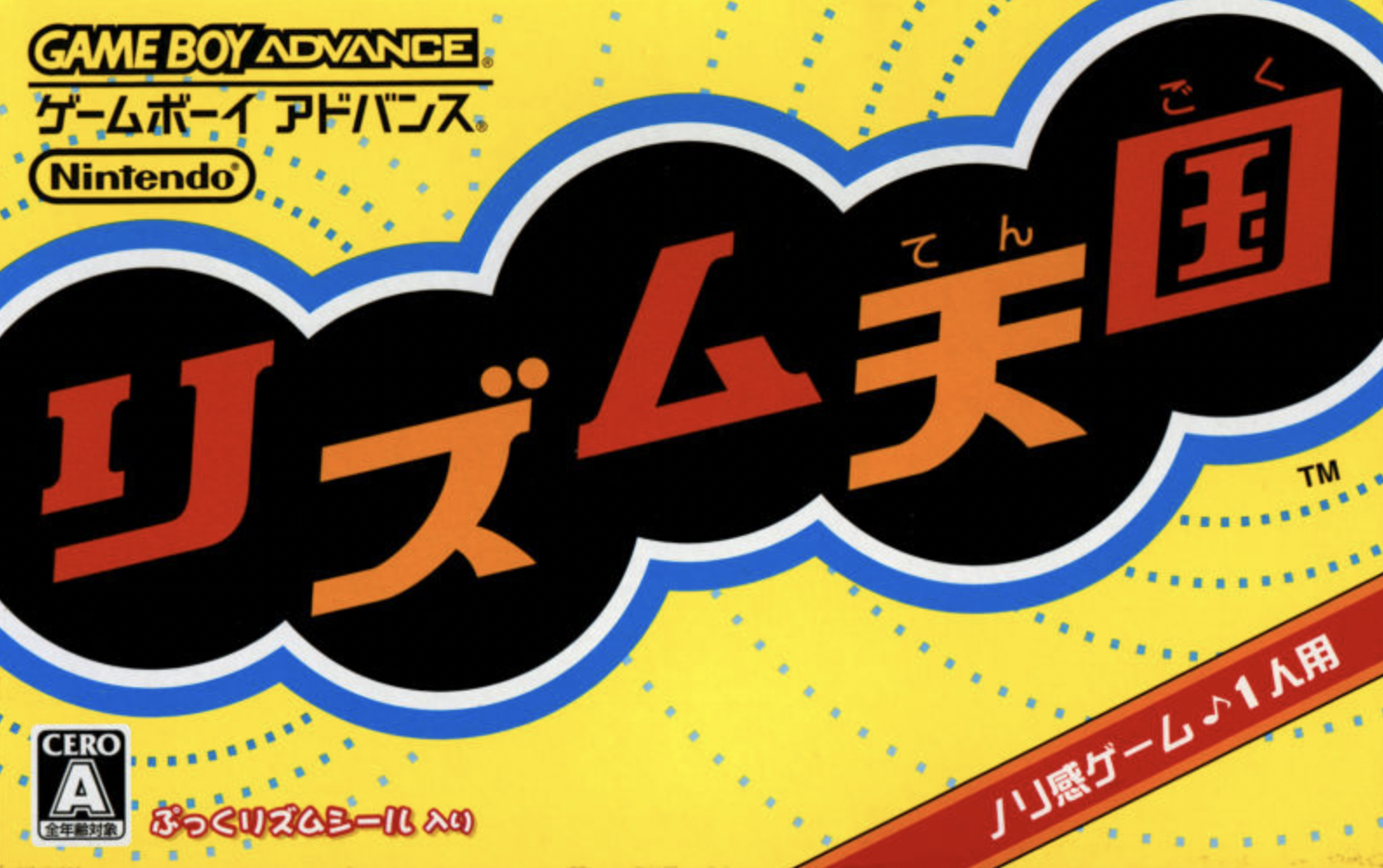
7. Rhythm Tengoku
While Rhythm Heaven exposed people worldwide to Nintendo’s amazing and unique rhythm game, it was Rhythm Tengoku on the GBA that started it all. It offered those same sorts of brief musical experiences on the handheld. Again, the limited buttons meant it still worked amazingly well. Perhaps the only thing that held it back was the speaker quality? Anyways, it is very import-friendly and one of the best GBA games out there, so it is worth your time. 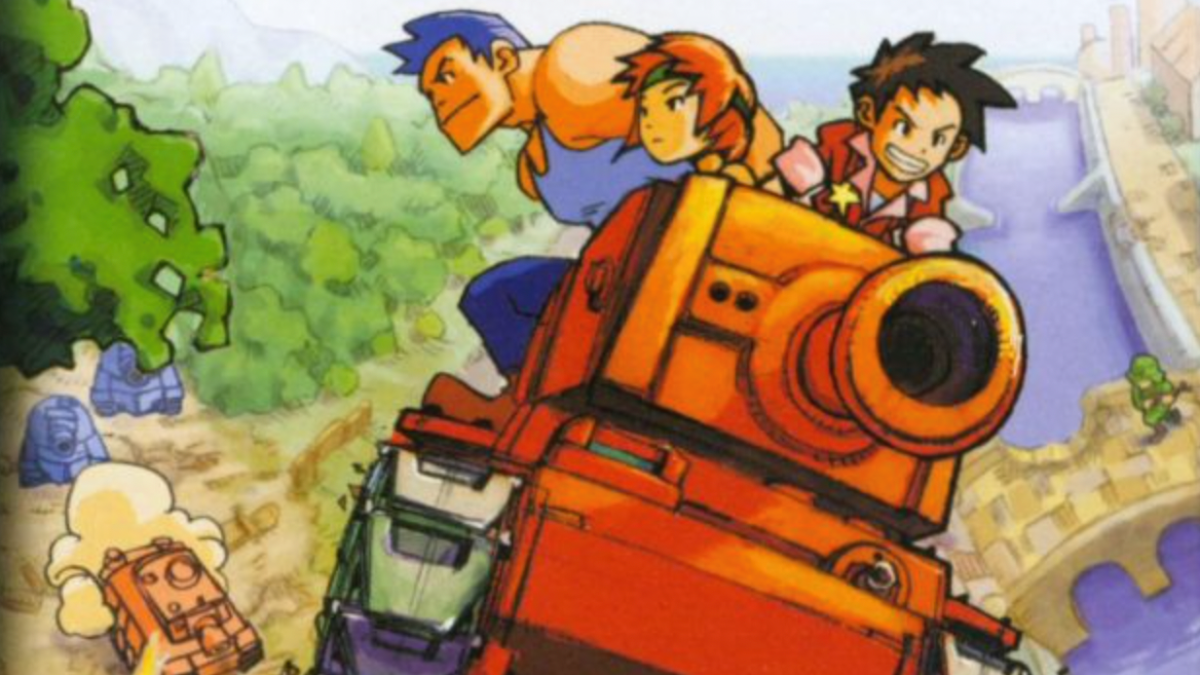
6. Advance Wars
Since the wait for Advance Wars 1+2 Reboot Camp is apparently forever, the original Advance Wars is a game someone can’t miss. It’s a fantastic Intelligent Systems strategy game. It perfectly brought the Famicom Wars series forward to a new generation. Plus it has so much personality and color to it. It’s lovely. 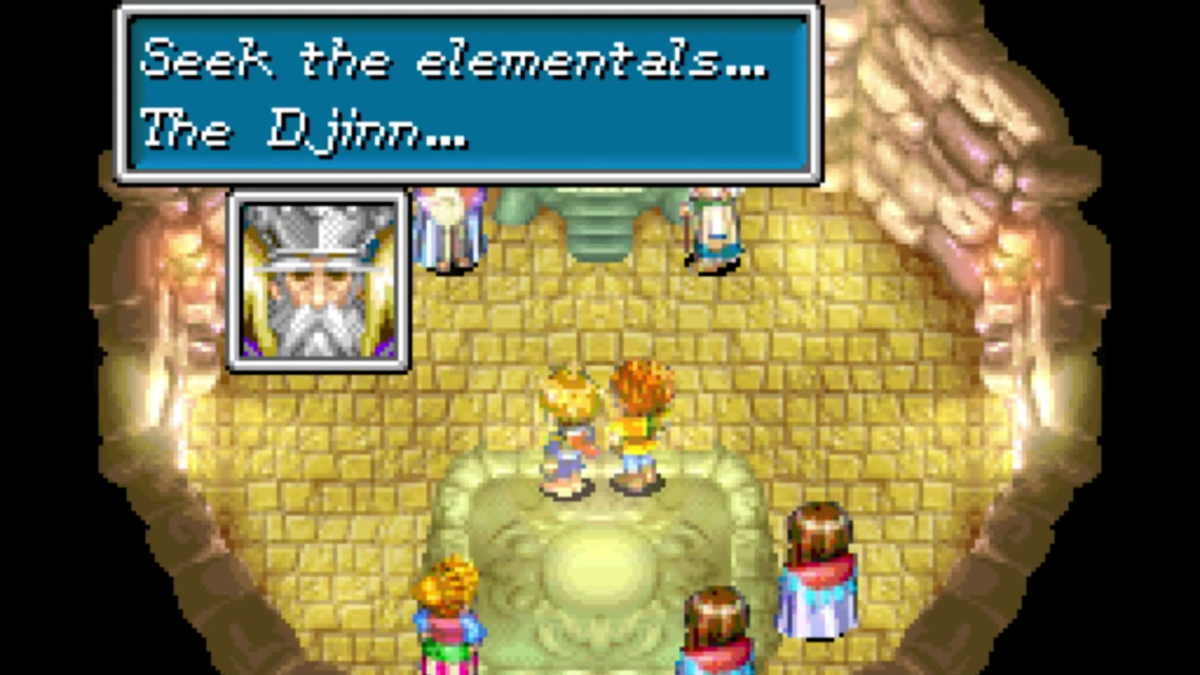
5. Golden Sun
While Nintendo did us dirty by never giving us a sequel to Golden Sun: Dark Dawn and its cliffhanger, at least we have the original Golden Sun games! This entry and The Lost Age come together to tell a great story with magic, a world in need of saving, and djinn. It still looks good, offers fun environmental puzzles, and is a lot of fun to play with its djinn and “class” system. 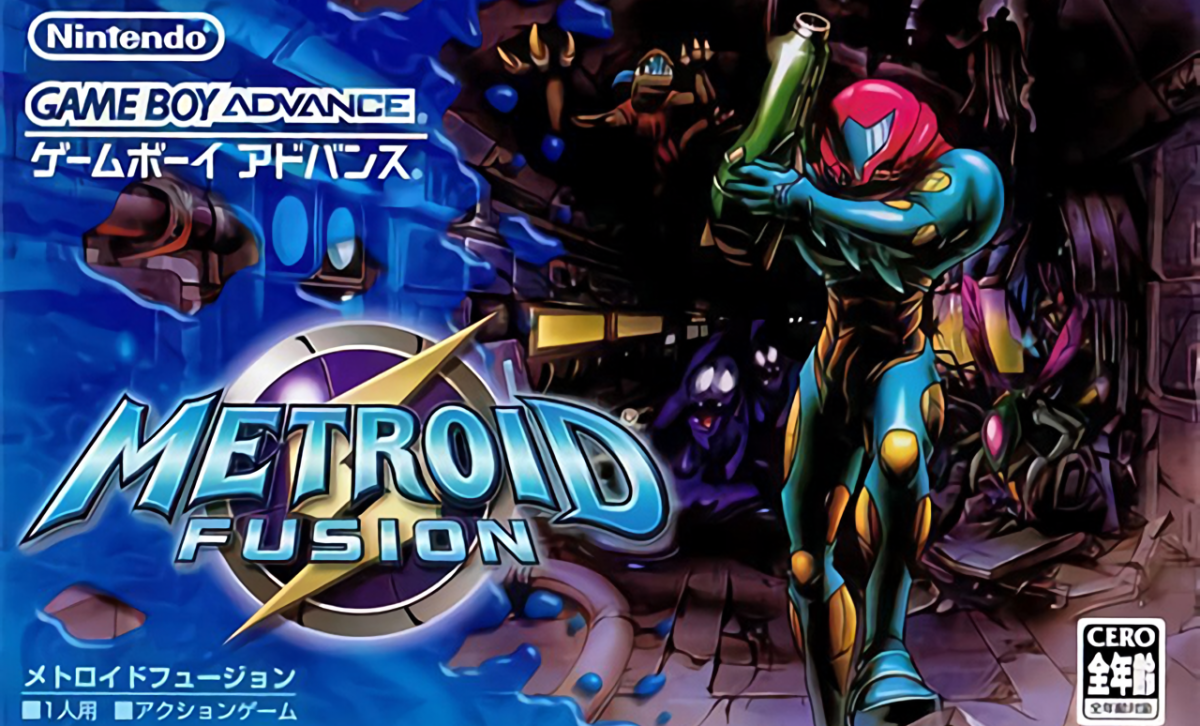
4. Metroid Fusion
Metroid Fusion is probably one of the more perfect entries in the series. At least, when talking about Metroidvania-style ones. It’s fluid. It is challenging. The map begs for further exploration as you delve into it. All of which means it holds up extremely well. 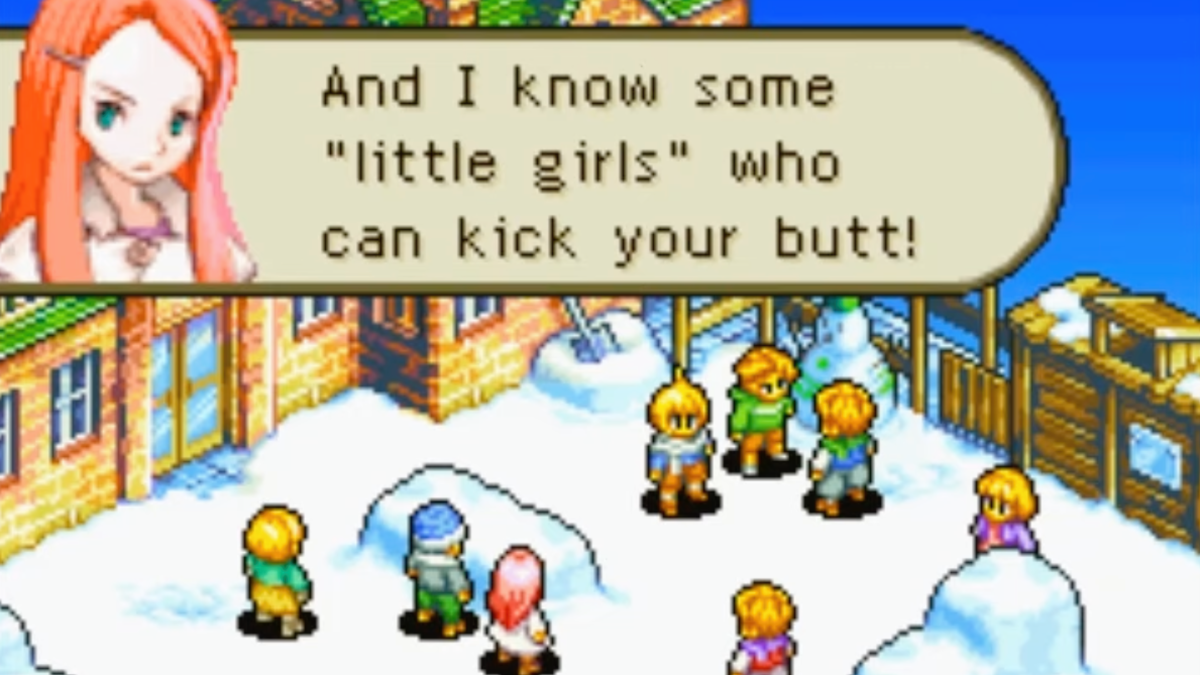
3. Final Fantasy Tactics Advance
Here’s a little secret: I like Final Fantasy Tactics Advance more than the original FFT. There’s something about the accessibility afforded. It has 34 fun jobs to use, as well as all the Ivalice races. It was fun to see more happen with the Ivalice Alliance, to be frank! Also, the Laws system meant that you needed to get creative with your actions, as sometimes a certain action or kind of equipment would be against the law and could get you killed! It was great. 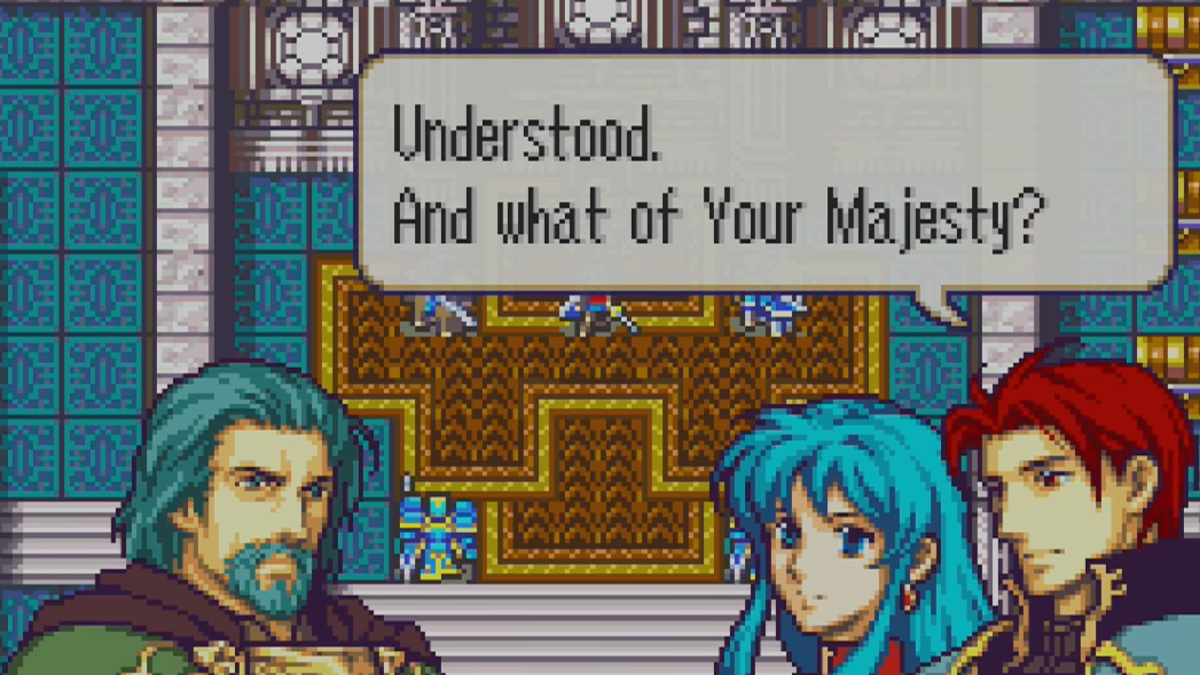
2. Fire Emblem: The Sacred Stones
Let’s be clear. Every Fire Emblem game on the GBA is fantastic. They are all winners. I really liked and recommend Sacred Stones because we get the two routes, a great array of classes and characters, and the Creature Campaign post-game. It’s one of the most solid installments and still among the best GBA games out there. 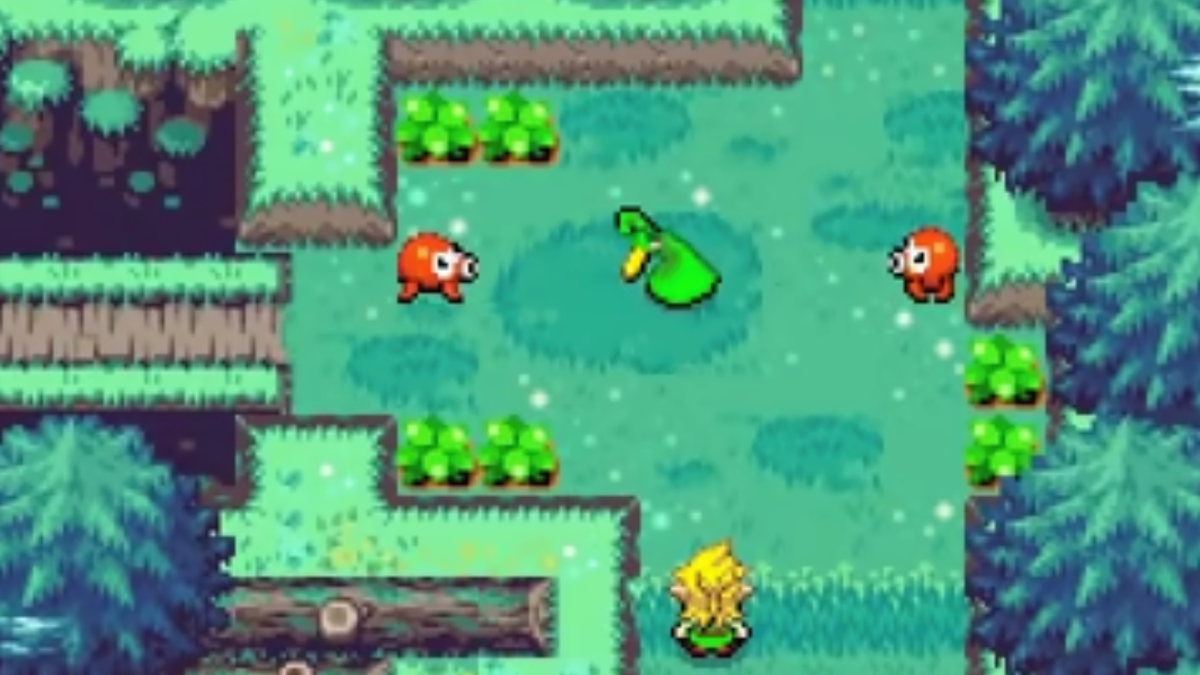
1. The Legend of Zelda: The Minish Cap
This was a close one, because the GBA is also home to A Link to the Past and Four Swords, but I have to say The Legend of Zelda: The Minish Cap is too lovely and holds up too well. It is so perfect on the handheld. Plus the spritework is exceptional, with these great transitions between the larger world and smaller one. It’s stunning. I don’t even think it would have worked as well on a console or other platform. Maybe the DS? Anyways, it holds up well, remains a classic, and deserves attention.