


 By
By 
The first Hyrule Warriors game turned out to be a Musou based on the The Legend of Zelda series that was open to absolutely everyone. It featured an original story. Tons of familiar faces were present, like Sheik, Midna, Fi, Tingle, Skull Kid, Impa, and so many versions of Link and Zelda. Hyrule Warriors: Age of Calamity ended up being a deeper cut due to its nature as a prequel to The Legend of Zelda: Breath of the Wild. It still proved fascinating and had folks we’d know, but you needed to play the other game to get it. Hyrule Warriors: Age of Imprisonment feels like the most niche entry yet, given it’s focus on Zelda’s side of the story during the events of The Legend of Zelda: Tears of the Kingdom, and that combined with some other atypical Musou features may make it more difficult to approach than its predecessors.
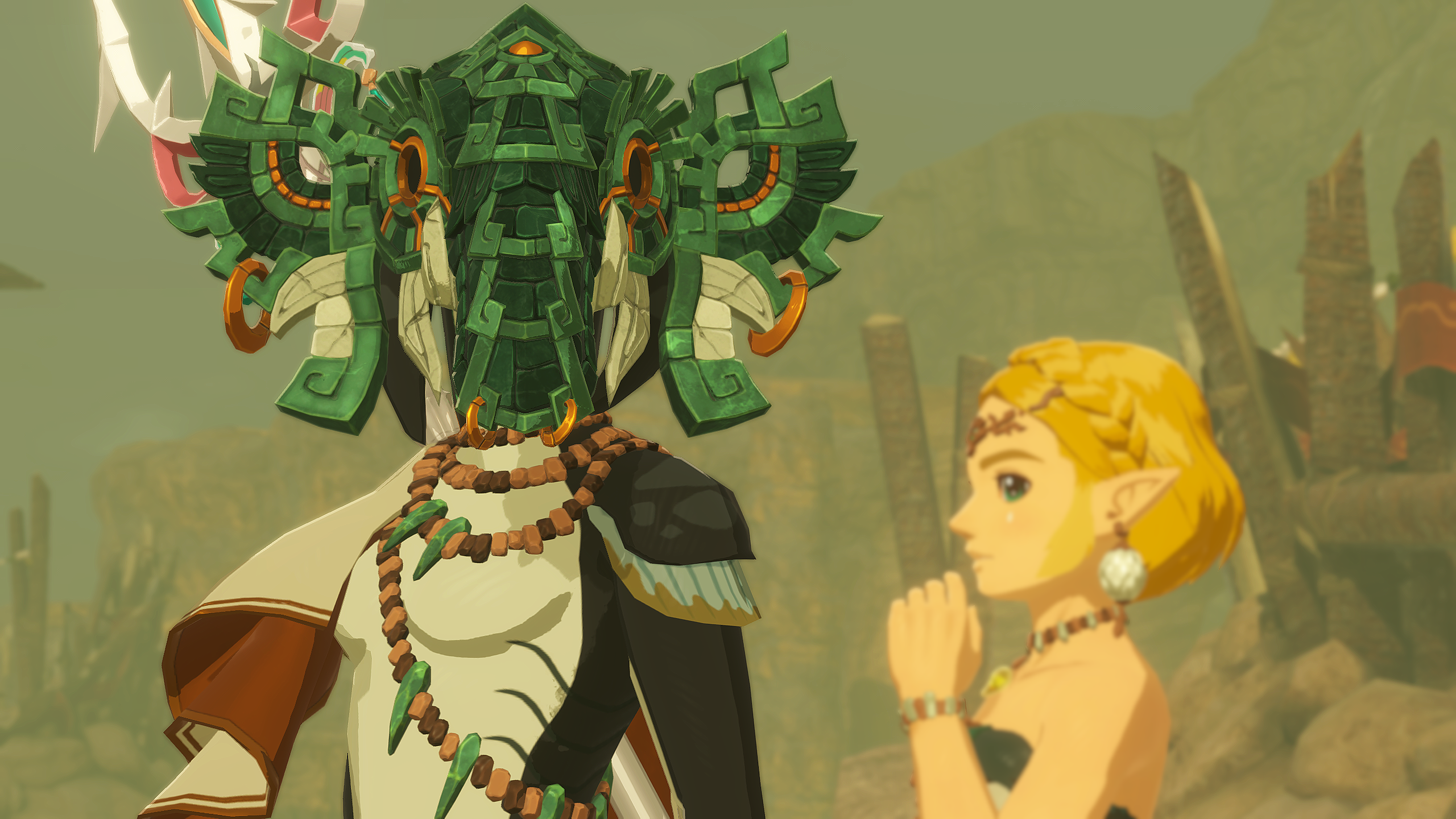
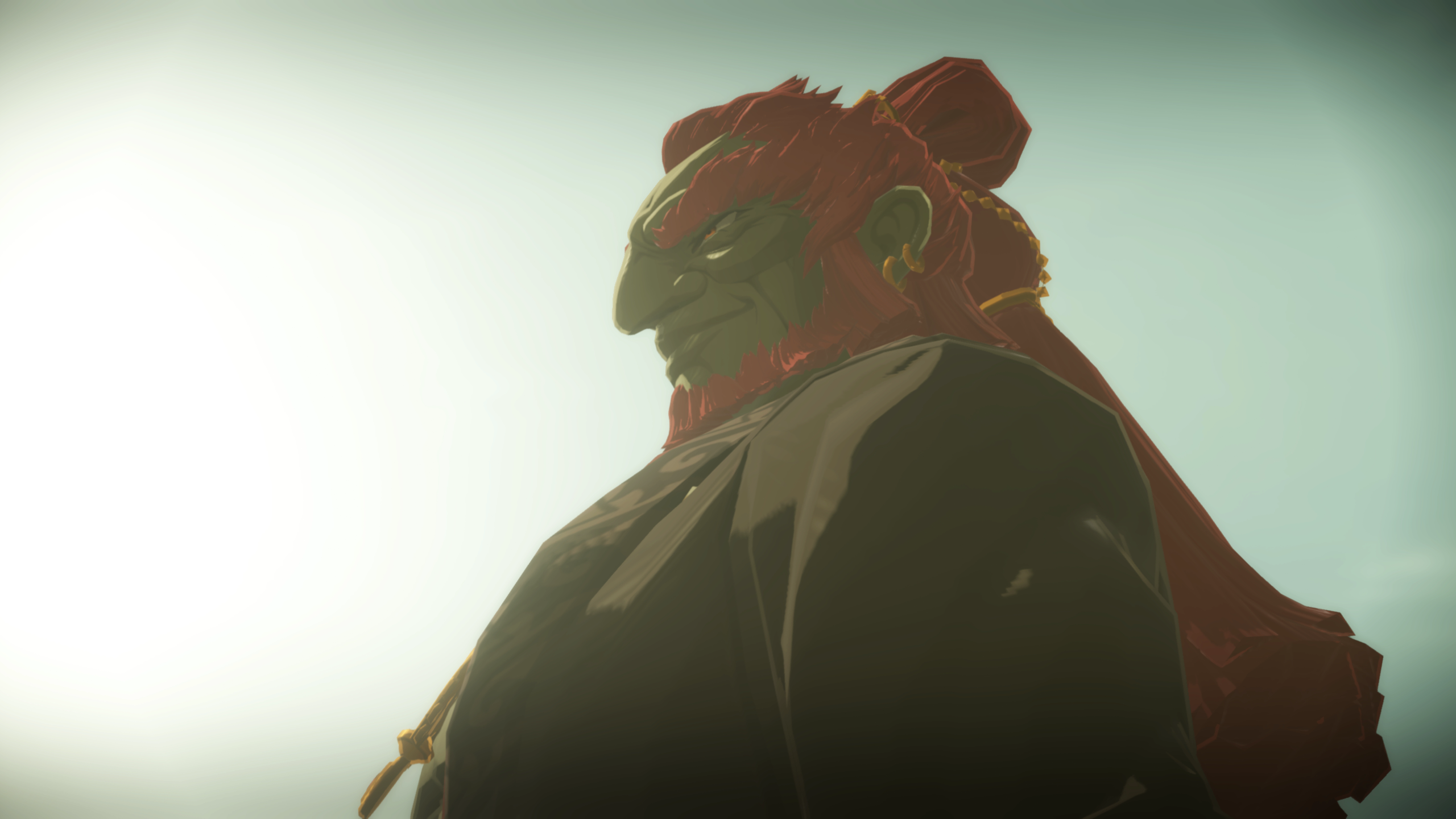
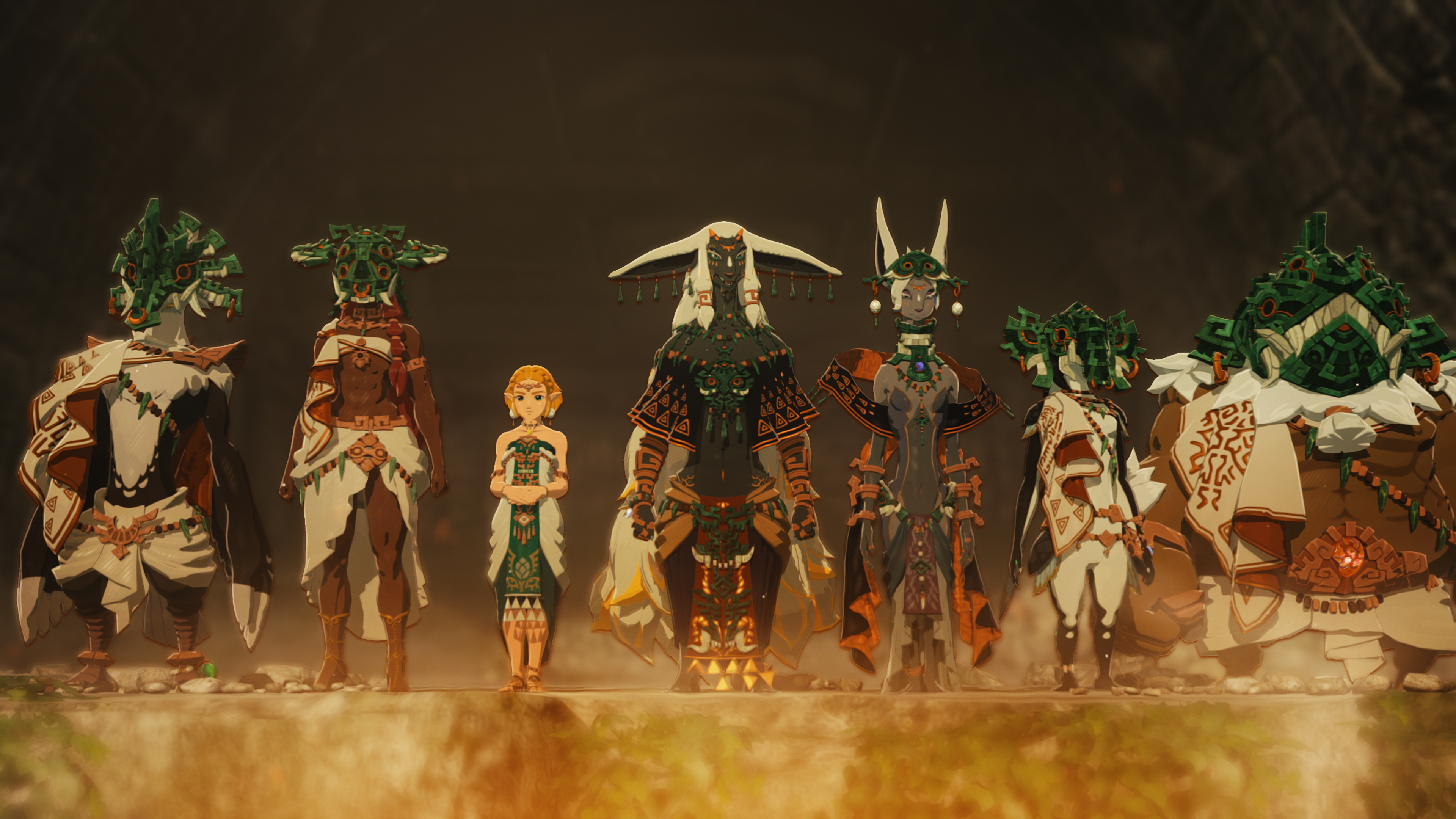
If you haven’t played through The Legend of Zelda: Tears of the Kingdom and only went through Breath of the Wild or Hyrule Warriors: Age of Calamity, then you’ll find Age of Imprisonment begins with some rather substantial spoilers! In the opening of that installment, Zelda is teleported into the distant past before the start of the Imprisoning War between King Rauru and Queen Sonia of Hyrule and Ganondorf. Shortly after arriving in that period, she’s discovered by Rauru and Sonia. Sensing her power and seeming to understand what she’s said is true, they take her in under the guise of a visiting relative. We then get to witness Ganondorf’s machinations, see the spirits and him overtake the land, and watch as Rauru and Zelda rally the forces and allies from throughout the kingdom to reclaim lands and fight back.
Now, I mentioned that pacing in Hyrule Warriors: Age of Imprisonment can feel bit slower than both the previous entries based on The Legend of Zelda games and other Musou titles in general. This is due to the nature of the story, the way in which missions work, and the speed at which new characters are unlocked. For the first few missions, we’re limited to three playable individuals, with Zelda being the one we know best from these games. While there are some more typical style Musou stages that can move quickly and focus on cutting through hordes, the most memorable experiences tend to involve more extended situations, story segments, and both minor and major boss fights that entail responding to certain enemy actions with the correct type of special attack to retaliate and break through defenses.
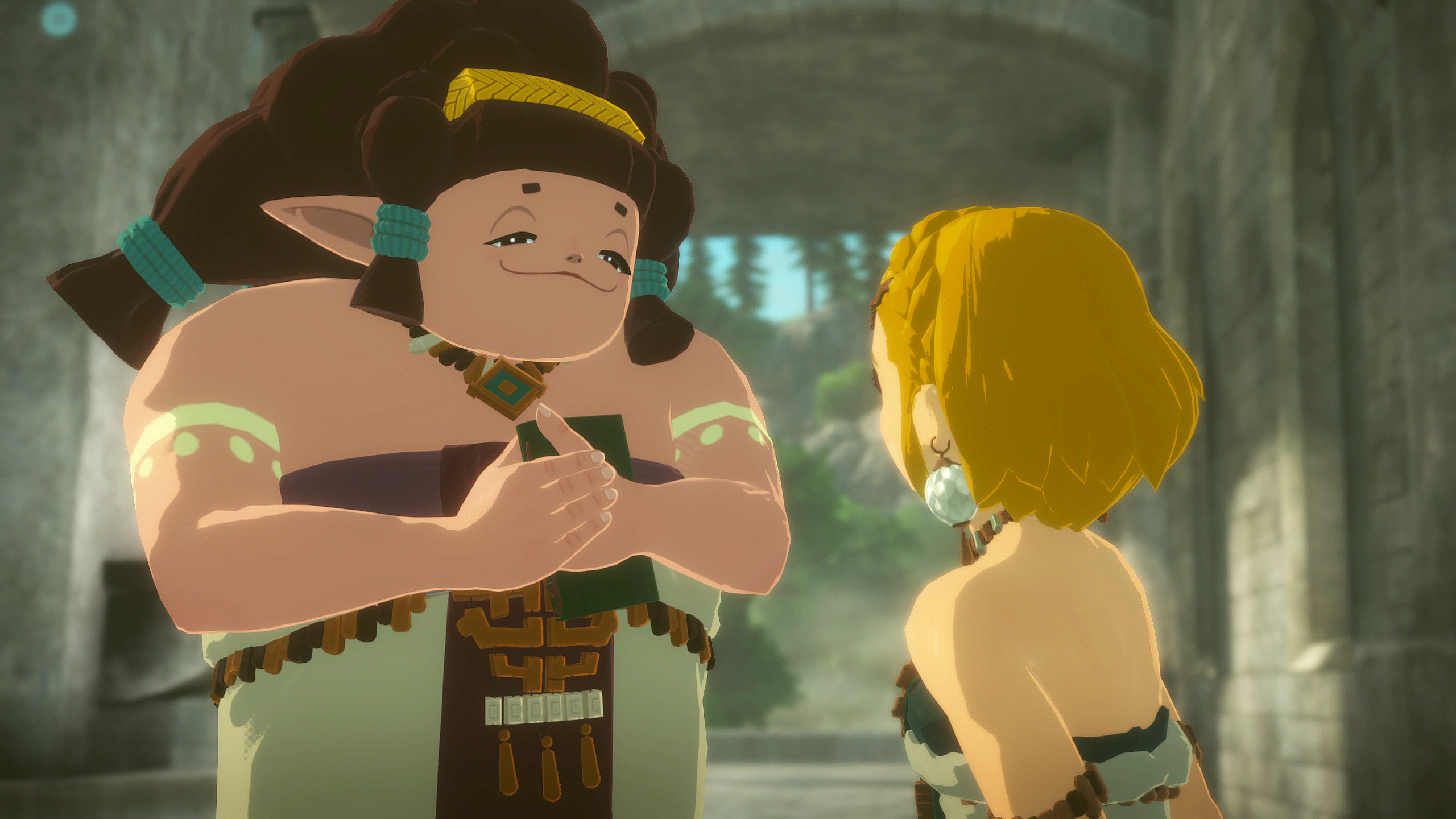
Due to this being set in the far past of The Legend of Zelda: Breath of the Wild and Tears of the Kingdom timeline, many characters aren’t as immediately recognizable, familiar, and beloved in Hyrule Warriors: Age of Imprisonment as even folks from the previous Age of Calamity. While Zelda, Rauru, Mineru, and even Calamo are among ones handled well, I didn’t feel like I connected to some sages other than Ardi as easily. It takes quite a bit of time for other folks to really stand out. Meanwhile, in Age of Calamity we were aware of pretty much everyone as a result of Breath of the Wild, so there wasn’t as much heavy lifting needed in the campaign to establish identities.
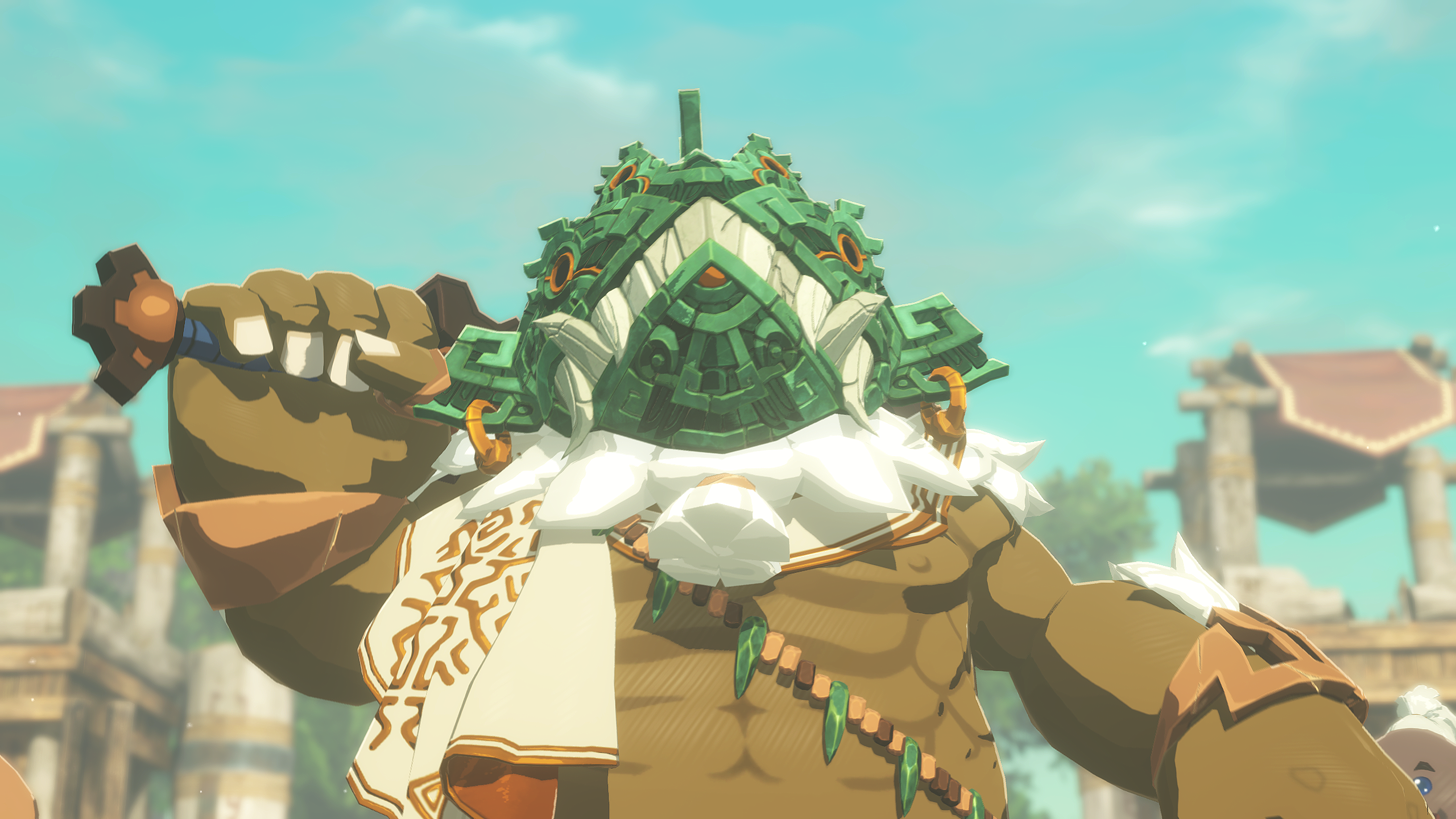
When we’re not actively viewing a story scene or going through a mission that sends us into a part of Hyrule, we’re viewing both the overworld map and depths on Zelda’s Sheikah Slate. From there, we select what missions we’ll take. Some are simple and involve supplying X number of items to use a Zonai Dispenser to get a new type of device to use in levels or unlock a new type of ability or upgrade the possible attacks for playable characters. Many are short missions that can reward us with things like materials, and those go so swiftly that I wished they had more meat to them. The more substantial assignments involve major story segments, extended tasks that involve visiting different places on larger maps and assigning our playable allies to certain spots to deal with situations at once, and perhaps also gaining access to an area. I will note that the assigning element didn’t seem as competent as in past titles sometimes. They would get where they were supposed to go for sure. But if I’d switch to check in and see how someone else was doing there were a few instances in which that ally didn’t seem to start really focusing and dealing damage until I took direct control.
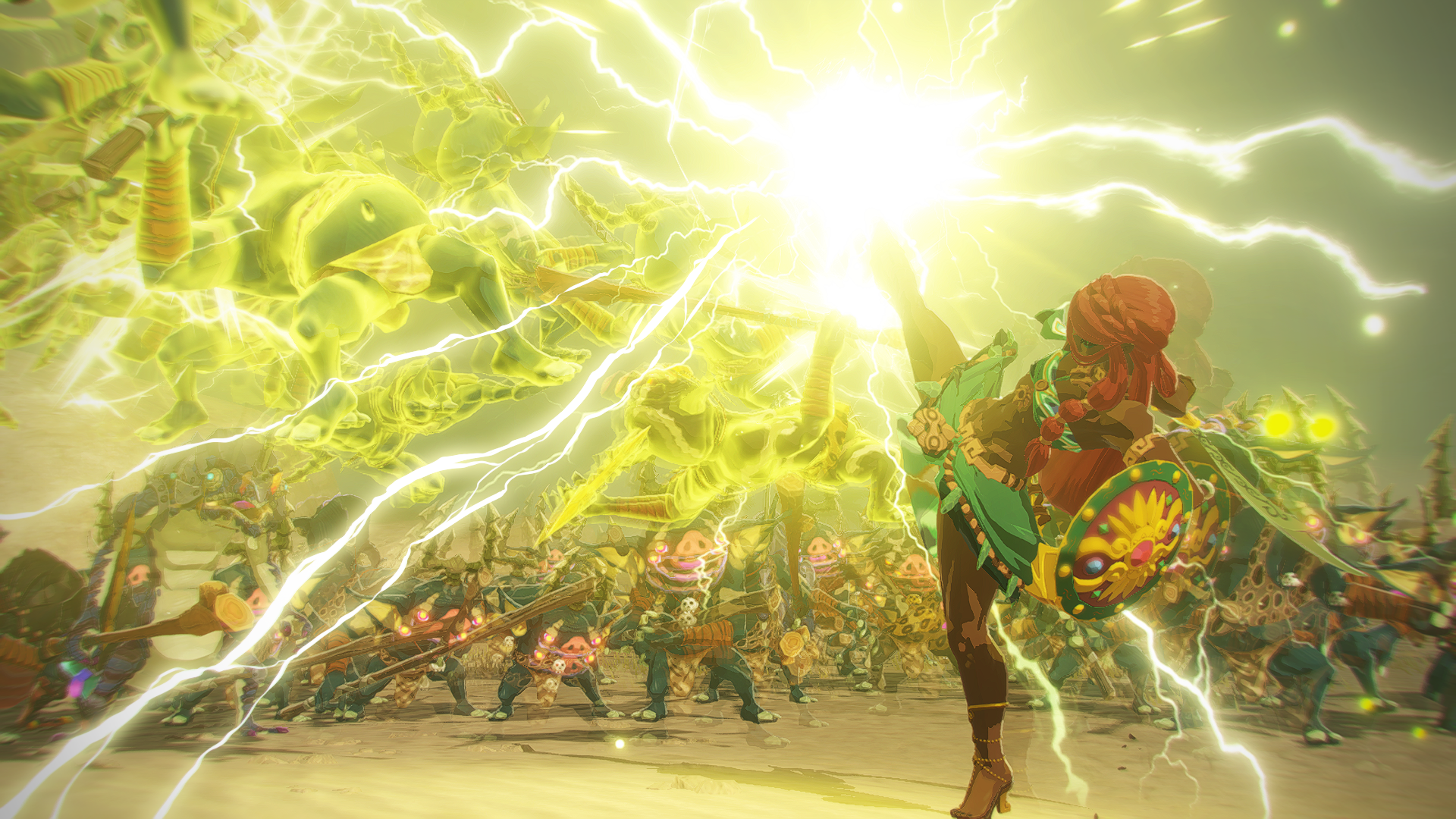
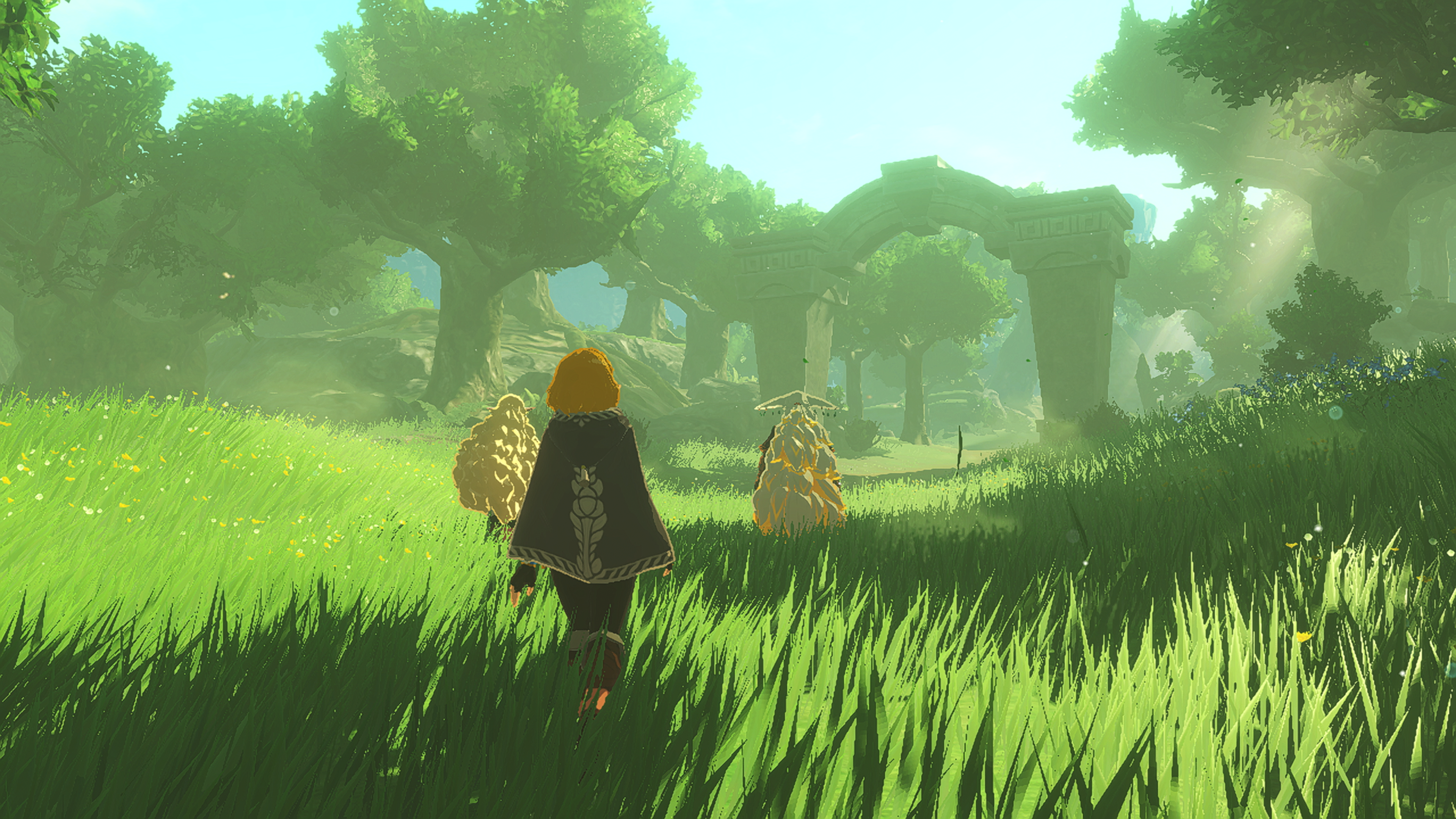
Many Musou games feel like we’re going through the thrill of exploring expansive areas and taking out hundreds, maybe even thousands, of enemies at once, and Hyrule Warriors: Age of Imprisonment is no different. Yes, there are some smaller excursions, but there are larger-scale assignments with enemy takedown counts that do get into the 500-1,000 range. I will say in general that some of the maps don’t feel as sprawling as in older Omega Force games. It’s absolutely fine and there are times when the scope can feel epic, but I do think some Warriors Orochi titles or Dynasty Warriors games occasionally felt a bit grander.
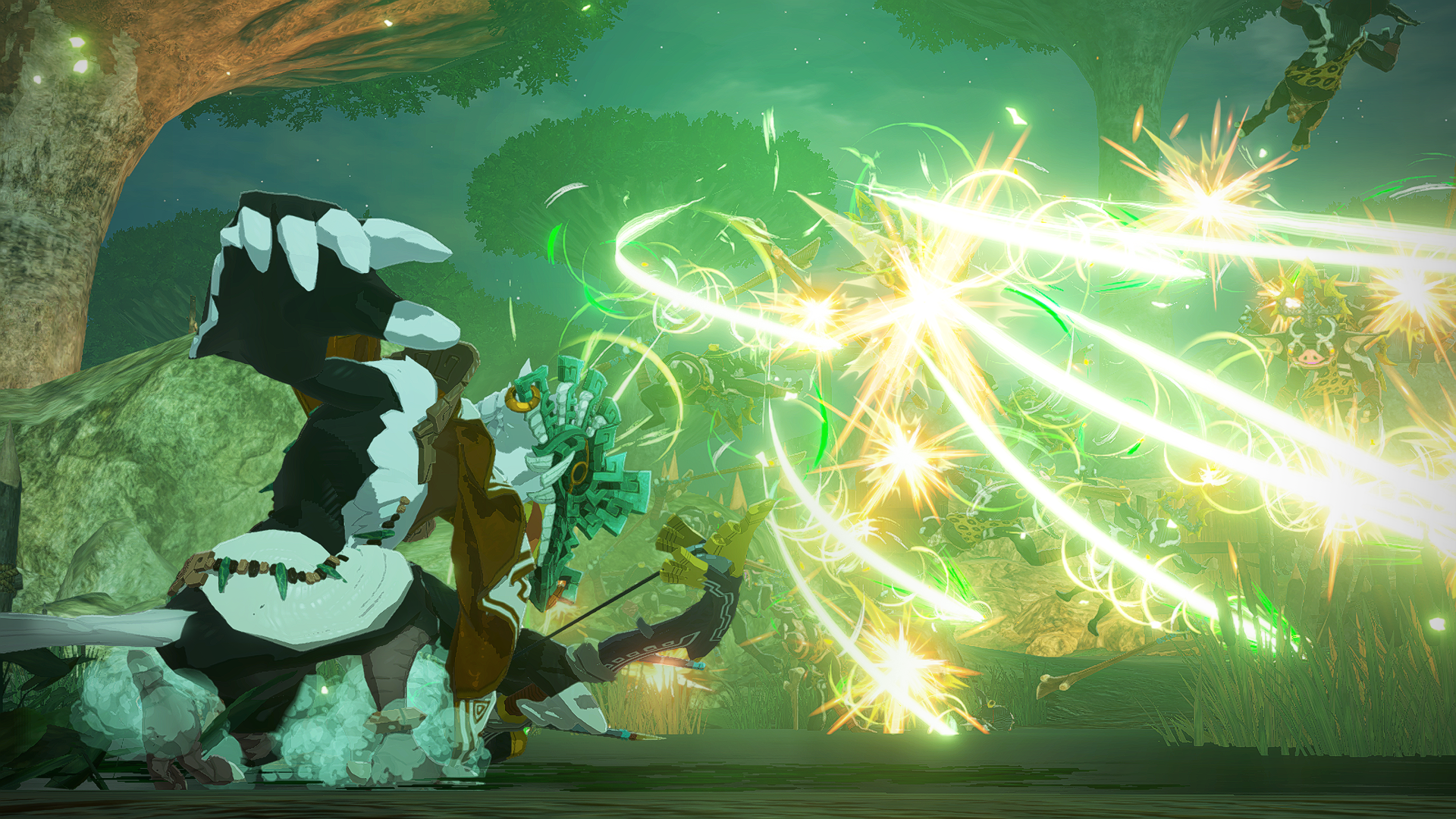
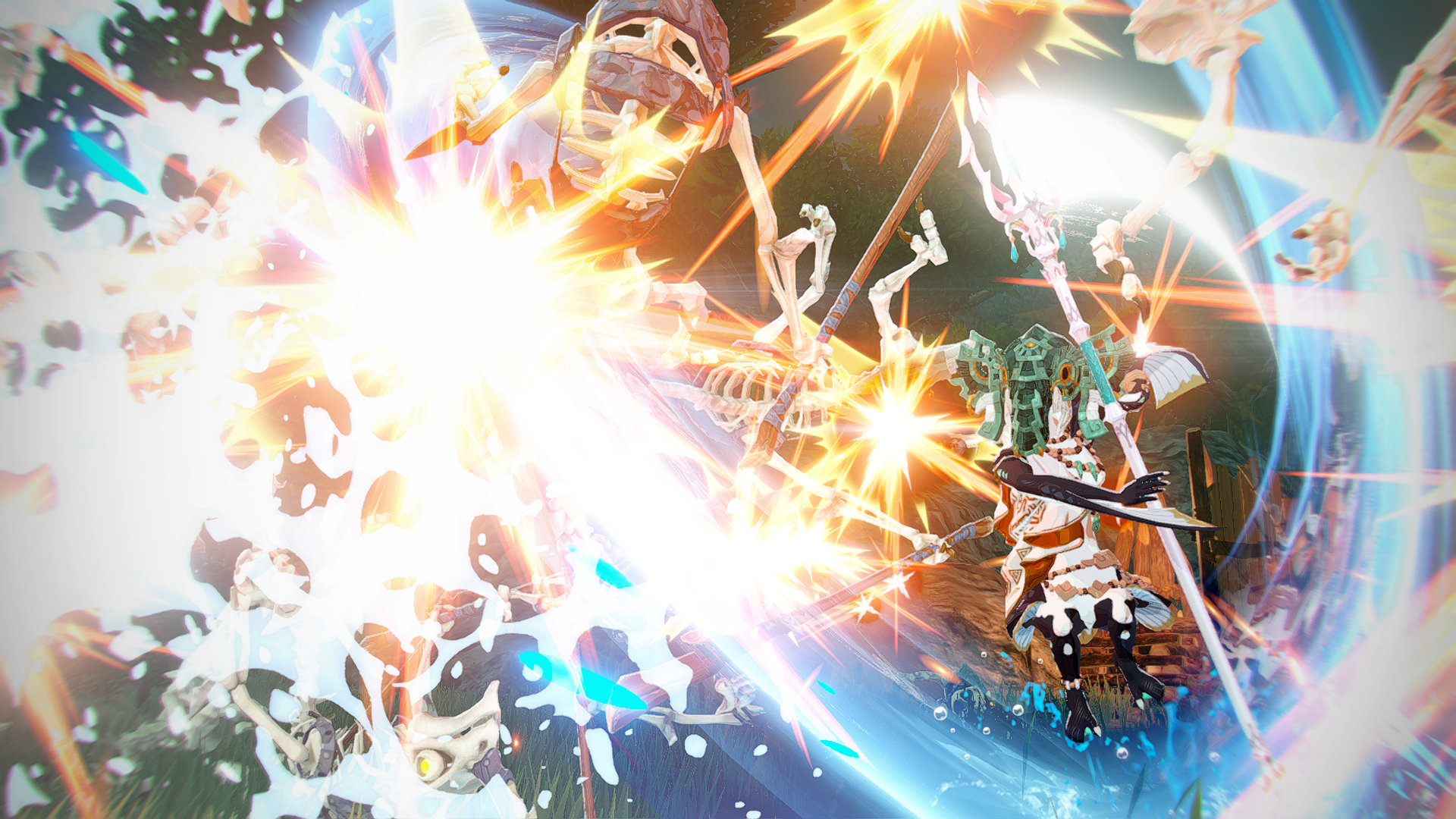
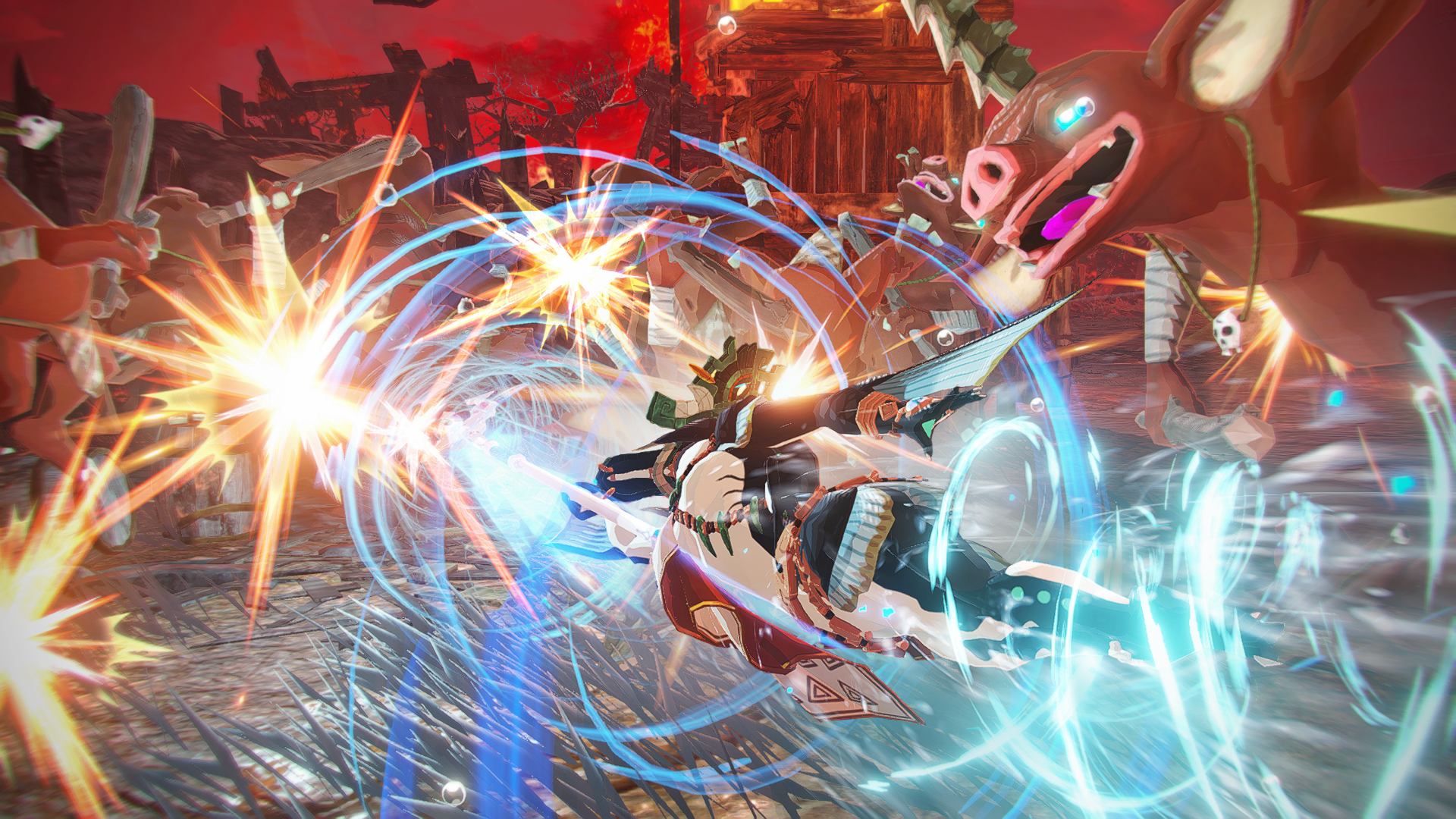
As I mentioned earlier, Hyrule Warriors: Age of Imprisonment also takes a bit of time when it comes to opening up additional playable The Legend of Zelda characters to use in this Musou and getting into those bigger excursions. Again, given the nature of the narrative, it is understandable that we don’t have a ton of initial options and that it takes time to ramp up. However, for a time we are limited to three, then six, for major and minor missions and the story will dictate which ones are even available. There’s nothing wrong with Musou games that don’t immediately toss 20+ characters at us, but I think I preferred the unlocking pace of previous Hyrule Warriors games more.
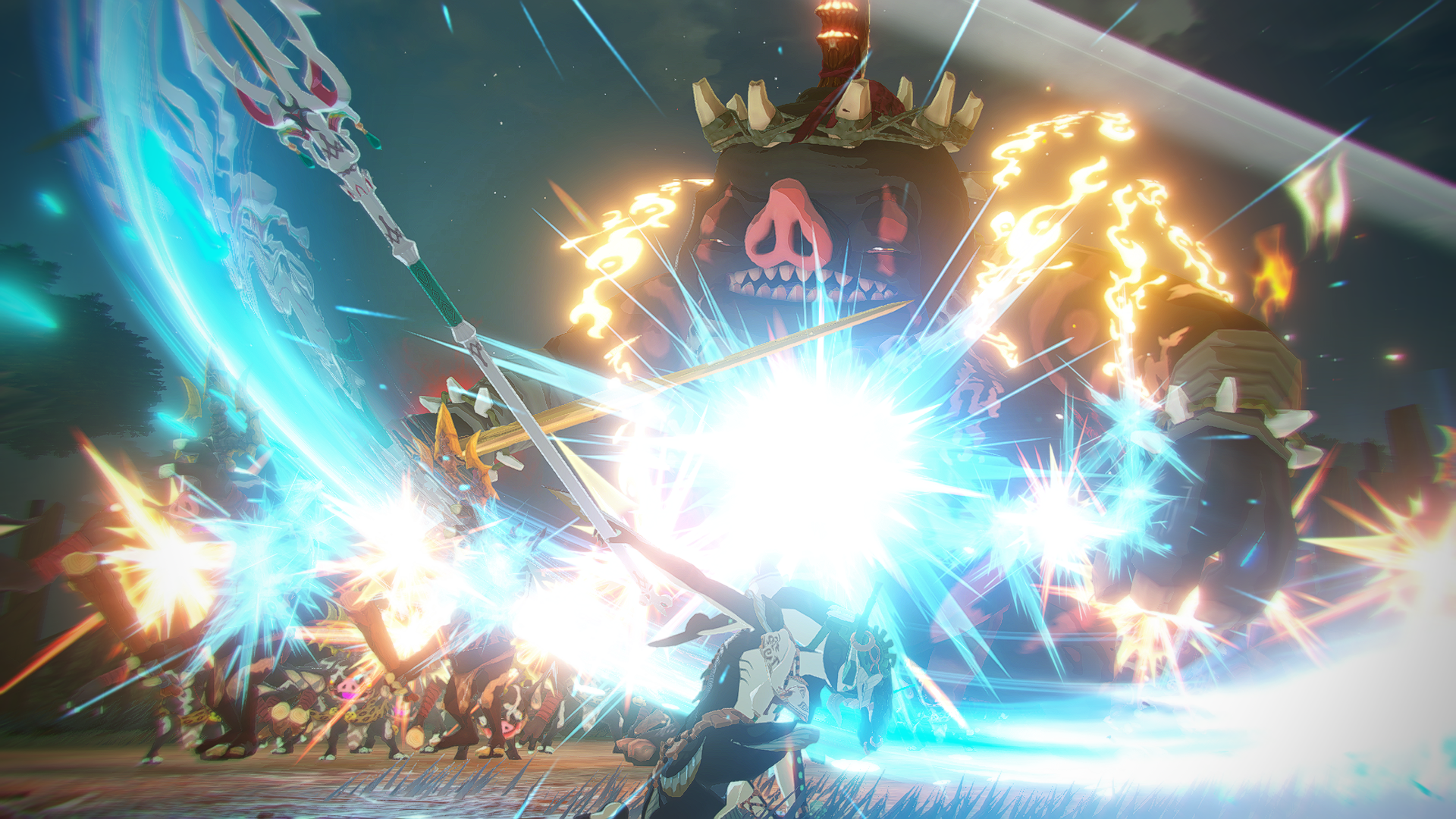
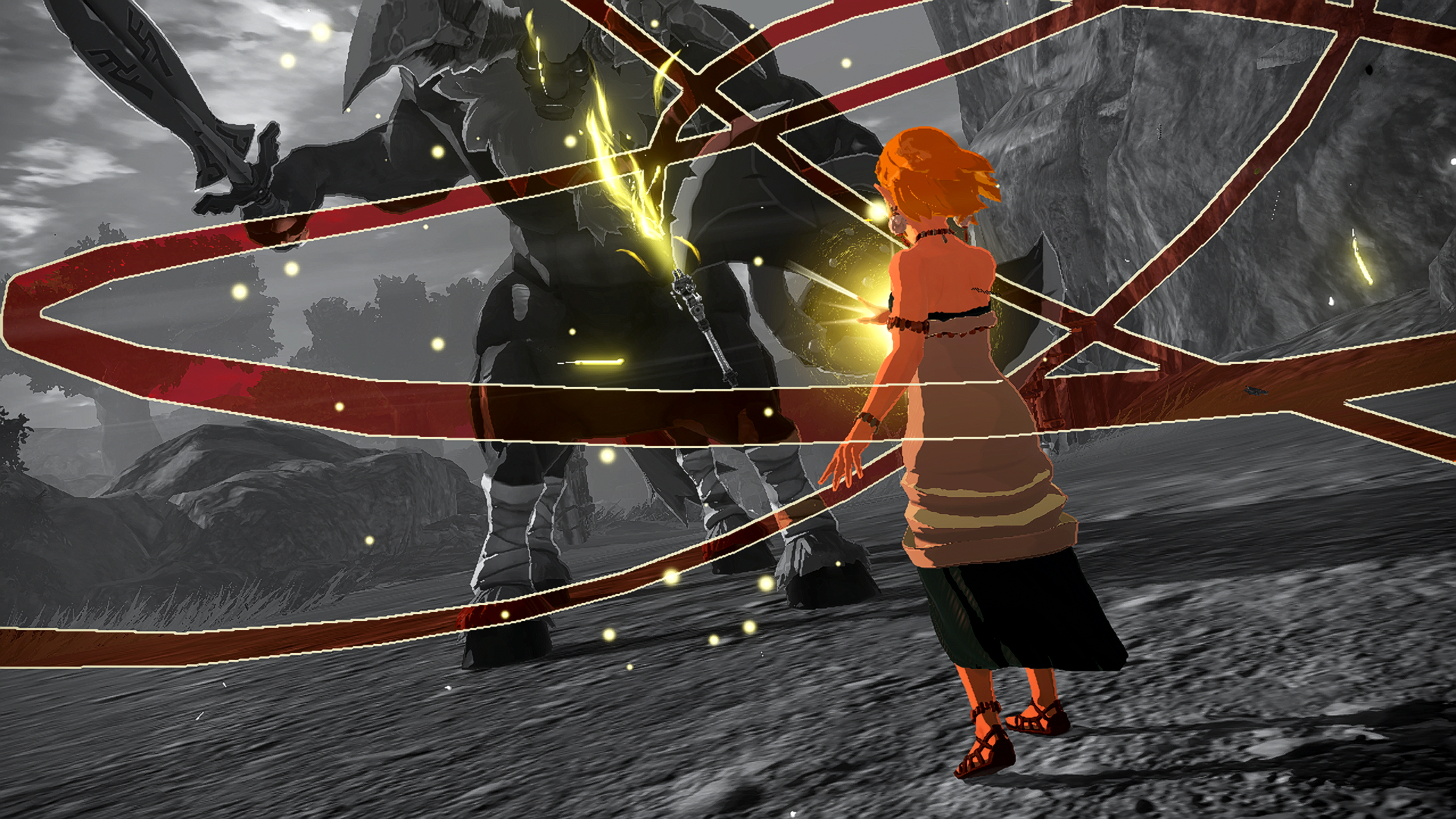
I will say that I do appreciate the movesets available to characters and the way in which we can use our special attacks to counter certain major opponents’ assaults, but there are times that can get frustrating too. As we go through Hyrule Warriors: Age of Imprisonment, our characters will gain access to special attacks that can do things like attack straight ahead, attack above, or are designed to deal with armor. When an opponent attacks, a red hue surrounds them and visual cues will hint at what type of counter might be needed. If an additional playable character is on-hand in your party, there might even be a prompt to switch to them with a button press to have them perform the necessary response immediately. It’s well handled, and it lends a bit of rock-paper-scissor style strategy. I will say it’s annoying if it happens on a map where you have one playable unit, multiple major opponents are preparing those attacks at once, and cooldowns mean you can only counter one assault. It’s also troublesome when you get a new character who doesn’t know the right response to a type of enemy attack yet or a mission comes up with a new type you haven’t learned the counter for yet. When that comes up, battles can take a little longer through no fault of your own since there’s probably no way you could have been prepared.
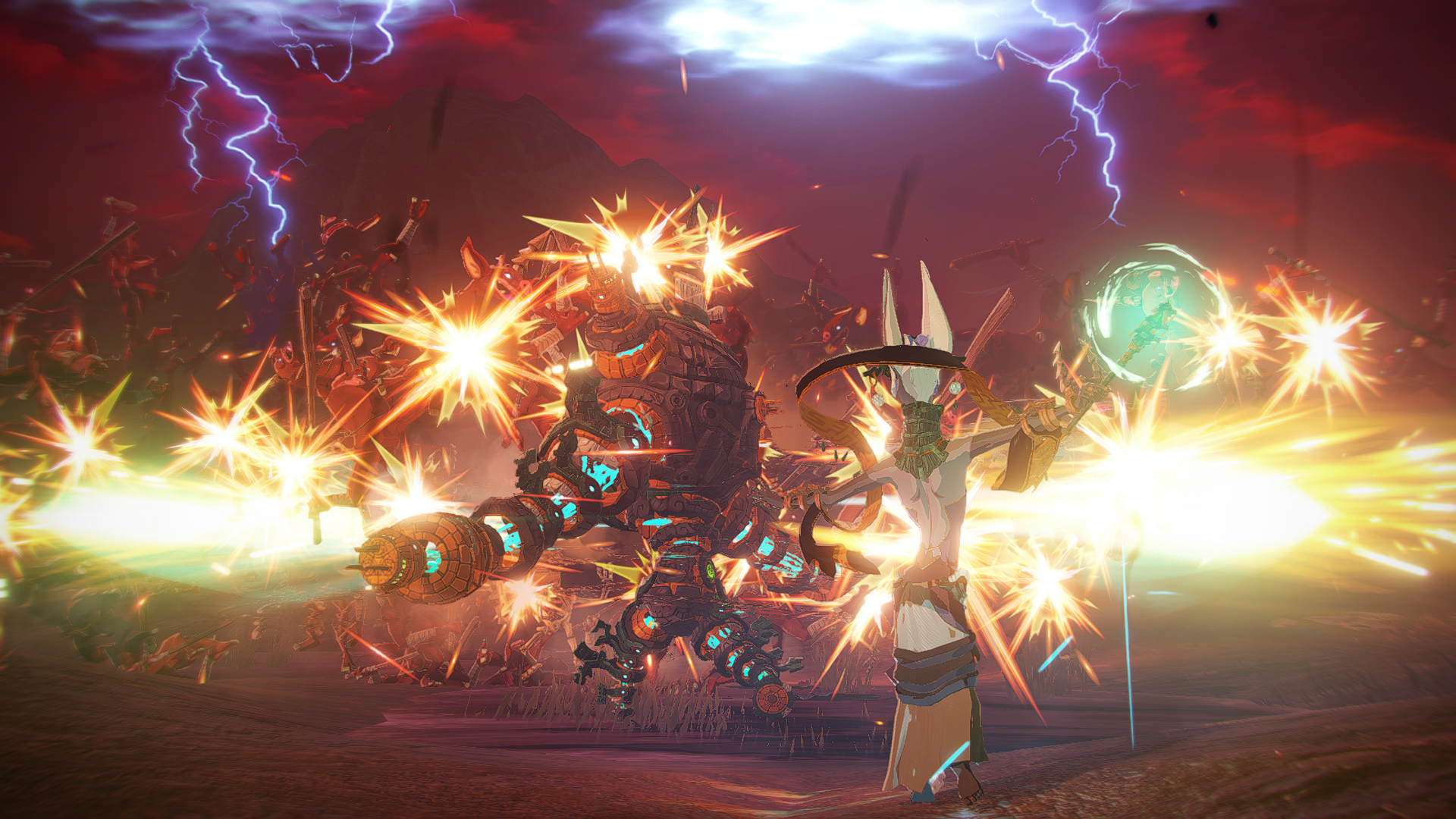
The other combat responses in this The Legend of Zelda Musou are pretty great as well. It feels like every character has some sort of ranged option that you can memorize, which is handy for dealing with hordes in different positions. There’s a dodge mechanic that works well. Time it right, and you can unleash a flurry of attacks to retaliate to normal attacks. Each person plays differently, with Mineru especially focusing on Zonai technology for all her moves in a fun way that really suits her personality. We can still wear down opponents’ armor with standard and special attacks, getting to target a weak point for a flashier skill that deals major damage. Also, there will be moments when our characters can basically team up briefly with either another playable ally or NPC who happens to be around for a briefly stronger and flashier Sync Strike assault. Those always feel incredibly powerful when they happen, and I especially loved the ones involving Mineru.
There are also some pleasant quality of life features. When you’re in a longer campaign mission, you’ll unlock camps as you proceed through the map. If you submit items there, you can get buffs that affect your performance. In the options menu, you can enable settings that will automatically use items to heal if you get low or refill your Zonai device battery when they run out. The hotkey bar for attack layouts are easy to adjust. It’s also quite simple to upgrade weapons. While it is possible to do every major or side mission above and below, I also didn’t feel like I needed to engage in too much grinding. I did notice that sometimes the camera seemed to get a little wonky when I’d execute some dodges in certain stages, but I could see that perhaps being addressed in a future patch.
I’m still not quite sure how I feel about the “sky” segments. These are on-rails flights that involve using energy and Zonai tech to tackle airborne enemies above Hyrule. I felt like the rockets that locked on to opponents sort of made most other types of assaults feel inadequate and, boss segments aside there, they didn’t feel as impactful as traditional Musou maps.
Hyrule Warriors: Age of Imprisonment feels like a more niche The Legend of Zelda game, but Tears of the Kingdoms fans may appreciate its lore. It’s interesting and attempts to capture the concept of land, sky, and underground spaces from Tears of the Kingdom too. It’s effective in using campaign missions to open up areas of Hyrule, tell its story, and emphasize the importance of fights against named or major opponents. At the very least, we got to see Omega Force experiment a bit with its formula. But in short, Hyrule Warriors: Age of Imprisonment is an interesting Musou game made for a very specific audience.
Hyrule Warriors: Age of Imprisonment will come to the Switch 2 on November 6, 2025.
Hyrule Warriors: Age of Imprisonment
Hyrule Warriors: Age of Imprisonment feels like a more niche The Legend of Zelda game, but Tears of the Kingdoms fans may appreciate its lore.