


 By
By 
If you loved games like Moon: Remix RPG Adventure and Chulip, you know Onion Games. The developer and Love-de-Lic’s titles are otherworldly and surreal, offering unexpected, heartfelt, and visually distinct experiences. If you see one of Onion Games or Yoshiro Kimura’s titles, you know they made it. If you looked at Stray Children and didn’t know better, you’d expect it to be a PS1 JRPG, and it absolutely builds on everything Moon did. It captures everything we’d expect from a game from that era, even if it means it gets a little frustrating as a result.
As Stray Children begins, we see a child alone in an apartment in Japan. There’s a hand-drawn picture of a missing father on the desk in his room. His mother left a note about alleged food to microwave for a meal, but the fridge and oven are empty. When a mysterious man in a suit rings the doorbell and offers insight into what happened to the character’s dad, we’re given no option but to go with him into the subway to a hidden room that was a space in which the father was working on a lost game known as Crescent Moon. After touching the system after being told not to, the child and associate are sucked into the game, perhaps just as the missing father was. From there, we eventually end up in a world where only children exist as “sane” and peaceful individuals, as all remaining adults turned into strange and hostile beings.
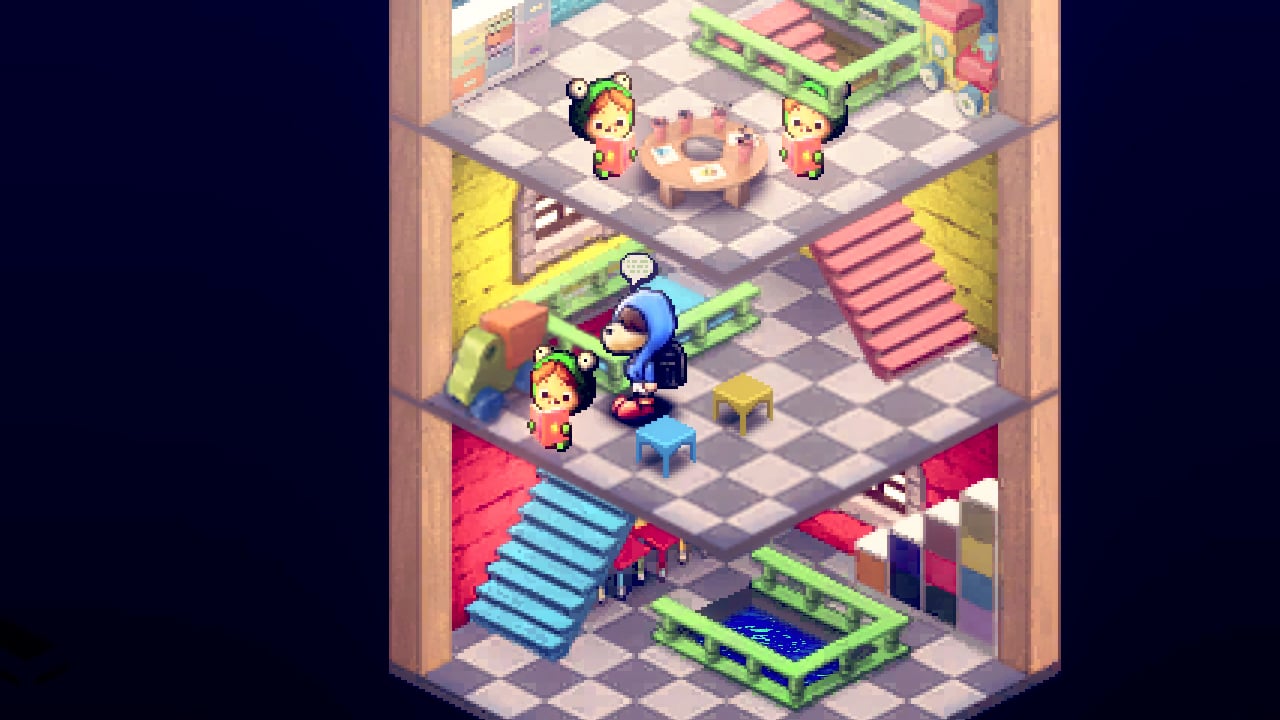
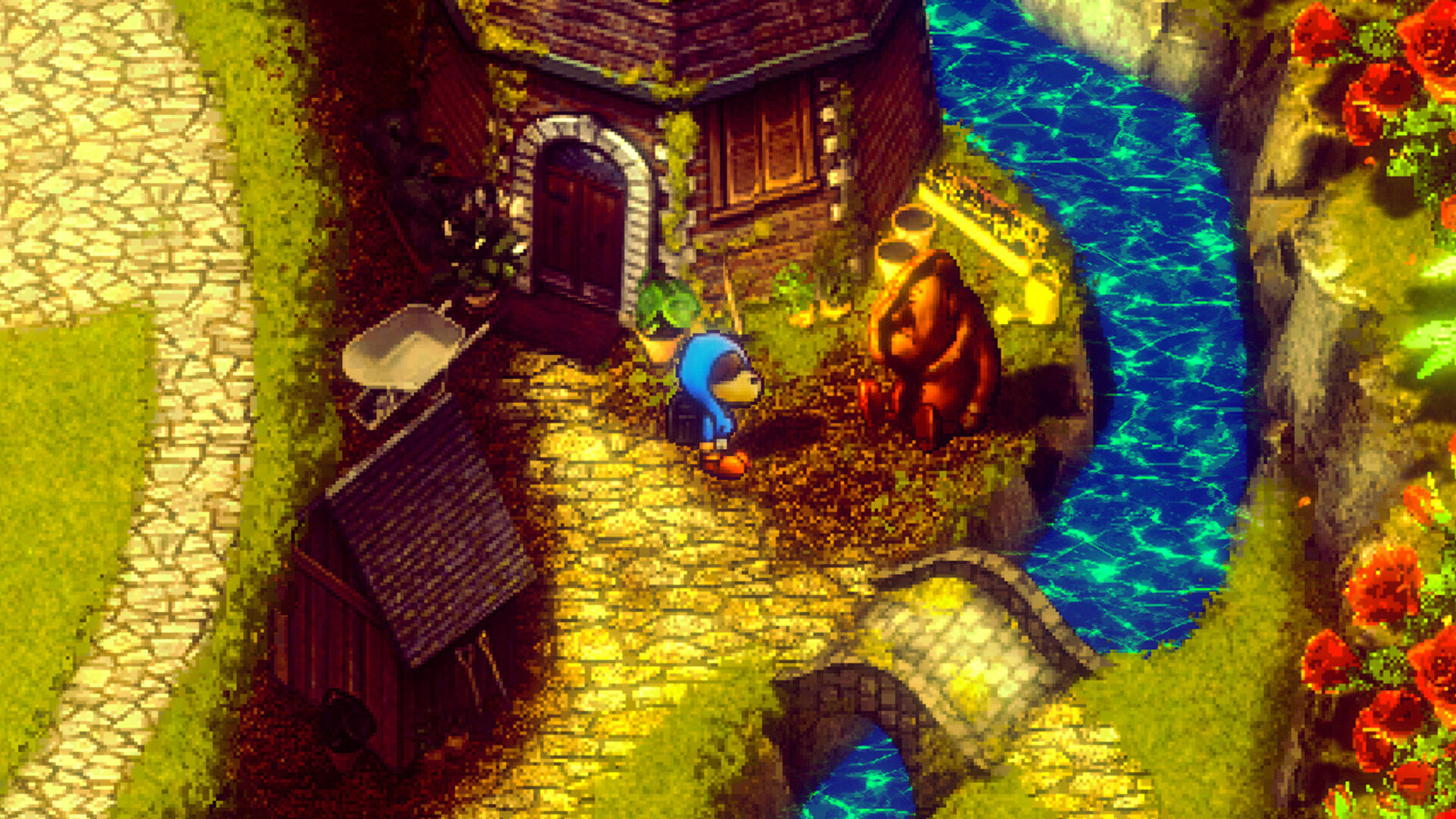
The presentation in Stray Children is Onion Games at its finest, channeling the same design direction as the JRPG Moon and the kinds of filters and aesthetic that replicate the PS1, CRT experience. All of the characters look incredibly unique, while said designs also accentuate certain character elements and perhaps even personality traits. You will not see another game like this, yet at the same time the execution immediately triggers memories of the 1990s. It’s serious in tone, sometimes even dark, but at the same time whimsical and occasionally hilarious. It is linear, but really exploring everywhere can reward you with interesting dialogue or helpful insights and items.
Battles are turn-based, but channel bullet hell elements from Undertale and NieR. Fights tend to start with an Older being introduced. On our turn, we can attack, use an item, or Talk. Talk is the pacifist approach, as it involves using set words in a specific order in to cause an “open sesame” command to open up so we can set that opponent free. Since using Talk completely eliminates certain enemies as a random foes in that region going forward and further fills out your guide to Olders with wisdom and insights, it always feels worth it to try that approach.
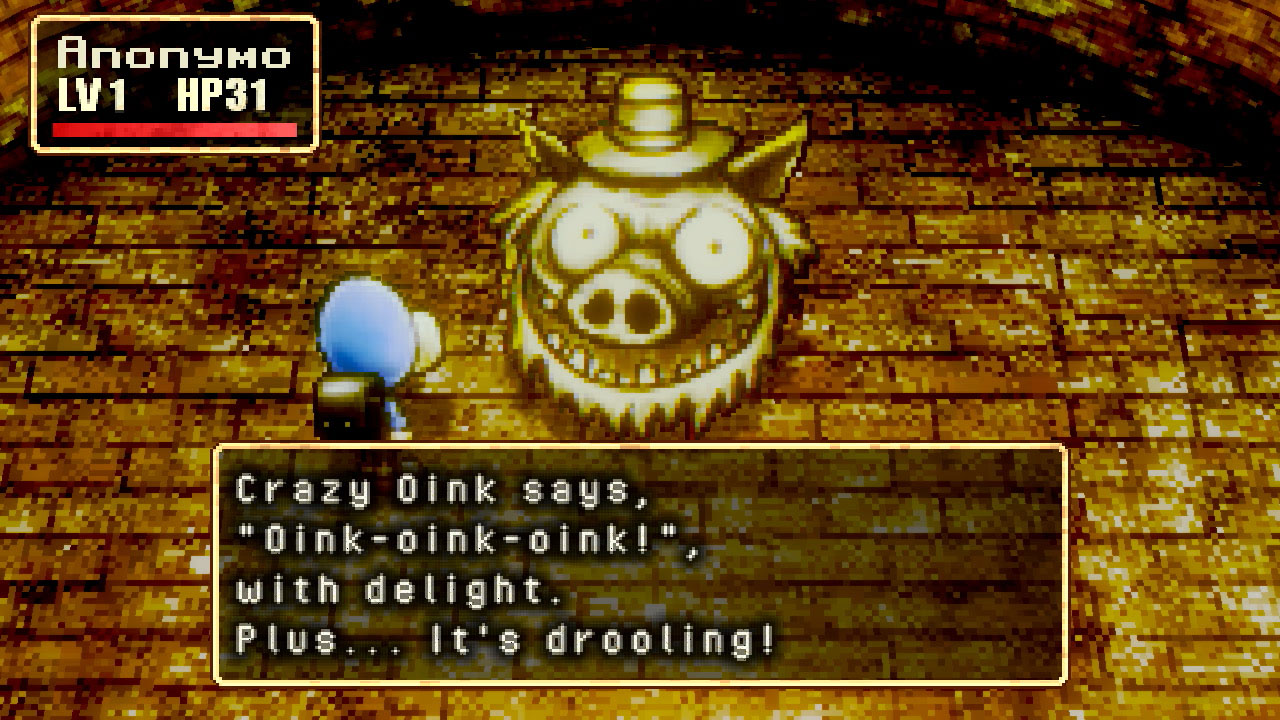
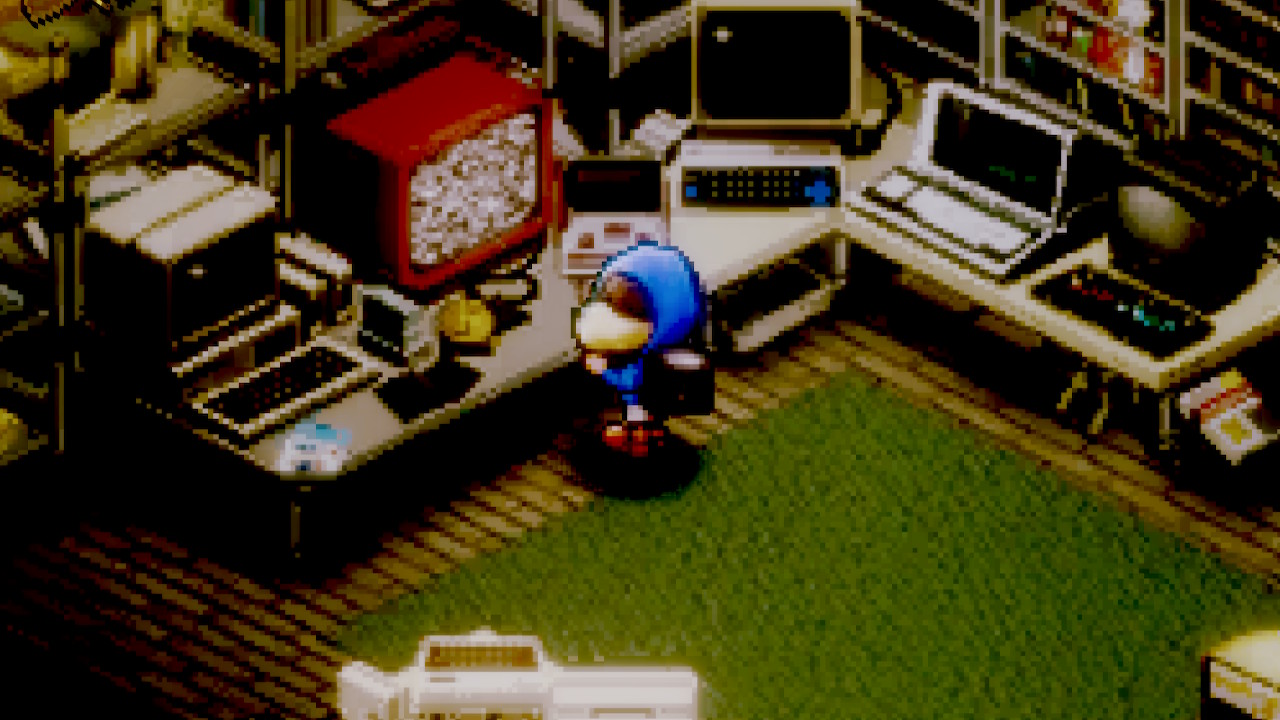
The thing is, Stray Children also features that signature PS1 JRPG difficulty that can stem from obtuse puzzles and the kinds of insights that might appear after an encounter already happened. This mainly comes up if you decide to try and Talk it out with every Older. These opponents appear as both random enemies and major bosses. The ones that can pop up might leave shells in the field you can examine to get a hint as to how to solve the word-based puzzle for a pacifist approach. Except you might find these after. And even if you find one before combat with one of them, you might not suss out the answer. I didn’t see Paradise Bird’s shell beforehand. So when I got to its fight and the Talk options were onomatopoeia associated with different birds, I didn’t know what to do. The good news is if you do fight, that encounter will reappear and you can then opt for a more peaceful approach when you do know more. On the enemy’s turn, they summon bullet hell projectiles that must be dodged, though our avatar can only walk and not run to evade them.
Onion Games isn’t only taking that approach in Stray Children fights, as the JRPG features that kind of PS1 “challenge” when trying to progress through certain areas. Nothing is telegraphed here, much like in Moon. You need to experiment and explore to find your way forward. For example, we’re stuck in Childonia not long after getting trapped in the game Crescent Moon. We’re told to say hello to everyone in the town to settle in. Except you can’t actually find every space unless you explore along walls and investigate where you saw someone running from to find additional areas. Read every sign. Search for every chest. Revisit places or look around thoroughly to see if something changed. Onion Games both asks us to pay attention and take our time. Also like older PS1 games and JRPG releases, it is absolutely possible to trap yourself in Stray Children if you don’t use items correctly.
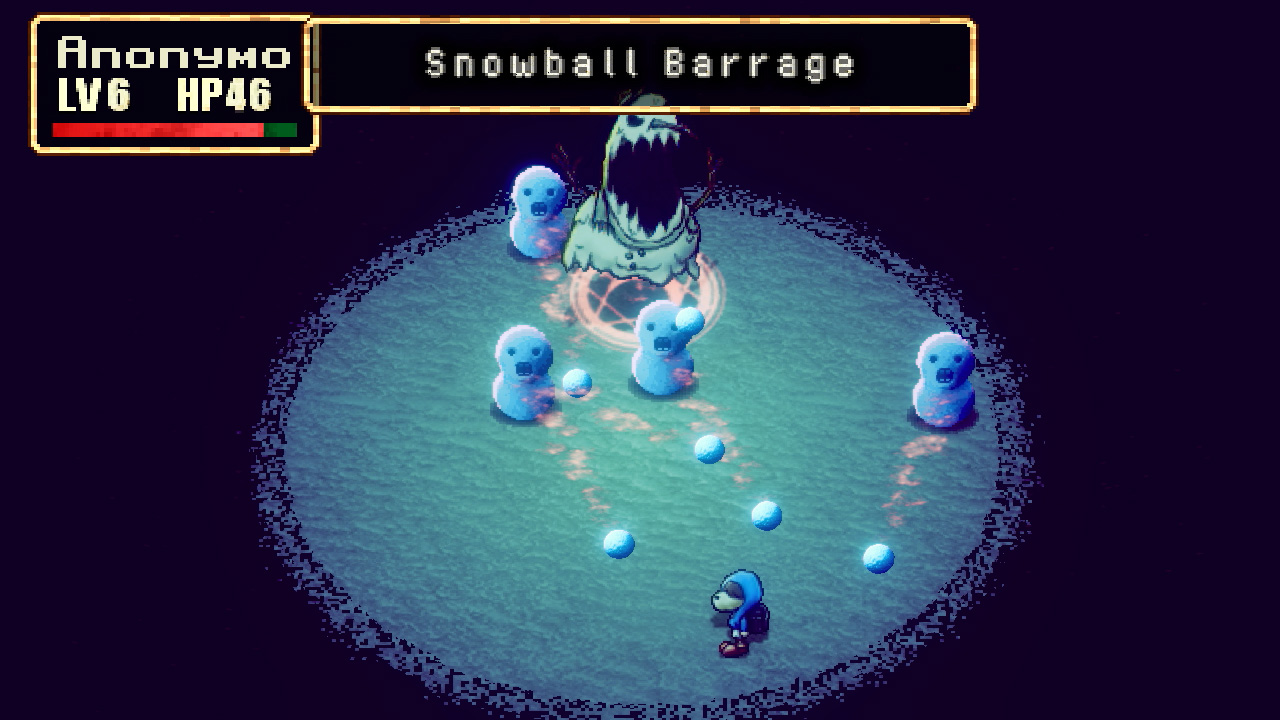

Here’s the thing. Those elements will absolutely frustrate people. They might even infuriate them. The obscure nature of the Talk puzzles and fact you can’t immediately run or dodge projectiles in a fight could get annoying! But at the same time, with the themes of the game being burnout, sadness, depression, and dealing with things you can’t change that can wear you down, it feels like all of those make sense in the context of the experience. Not only that, but those types of limitations are both hallmarks of life and the PS1 JRPG experience, making Stray Children feel very true to form.
Stray Children is a unique and special JRPG from developers known for PS1 obscure gems and aren’t afraid to embrace every element of that era. Every frustration even feels like it is there for a reason, just like every joyful, poignant, or dark moment does. It’s so unusual and does feel like it belongs alongside games like Moon: Remix RPG Adventure and Undertale, while also possessing its own unique message and fostering an individual atmosphere. It’s a special game, albeit a niche one, and I hope people accept it.
Stray Children is available for the Switch and PC.
Stray Children
Stray Children is a unique and special JRPG from developers known for PS1 obscure gems and aren’t afraid to embrace every element of that era.