


 By
By 
I’ve been a fan of the Nioh series since its inception, but I was nervous when Team Ninja said Nioh 3 would involve big changes to a formula that I loved. With this sequel, the developer added open-world elements and completely reworked foundational mechanics. While I enjoyed Rise of the Ronin a lot, its open-world level design and direction aren’t exactly what I want out of a Nioh game. Fortunately, any comparisons end there. Nioh 3 takes the essence of the series, fine-tunes all its systems, and builds new and interesting mechanics in ways that feel laser targeted at fans.
Nioh 3 puts the player in the role of Takechiyo Tokugawa, the eldest grandchild of Ieyasu Tokugawa, during the early Edo Period. As you are about to be appointed Shogun, your younger brother Kunimatsu betrays you. This sets you on a time-traveling path through different eras of Japan’s history to learn the strength and values needed to become Shogun. Similar to Nioh 2, it has you play as a defined character, but allows you to fully customize their look. Twofold in this case, as you can completely change how your character looks between its Samurai and Ninja styles, with armor sets also being split. It’s a small addition, but a really cool one, especially considering how deep and varied Koei Tecmo’s character creators always are. While the time-traveling element is fun from a historical perspective, I didn’t find Takechiyo’s journey is as compelling as Hide and Tokichiro’s was in Nioh 2. The interpersonal drama and stakes in the previous game felt more moving to me.
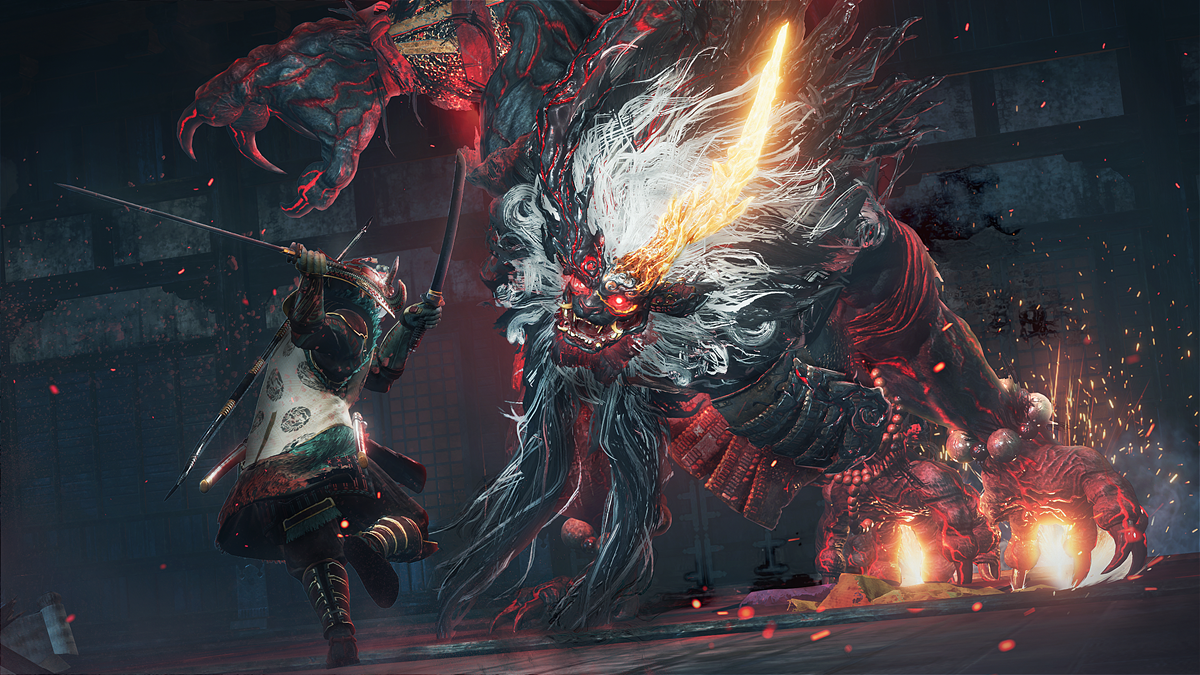
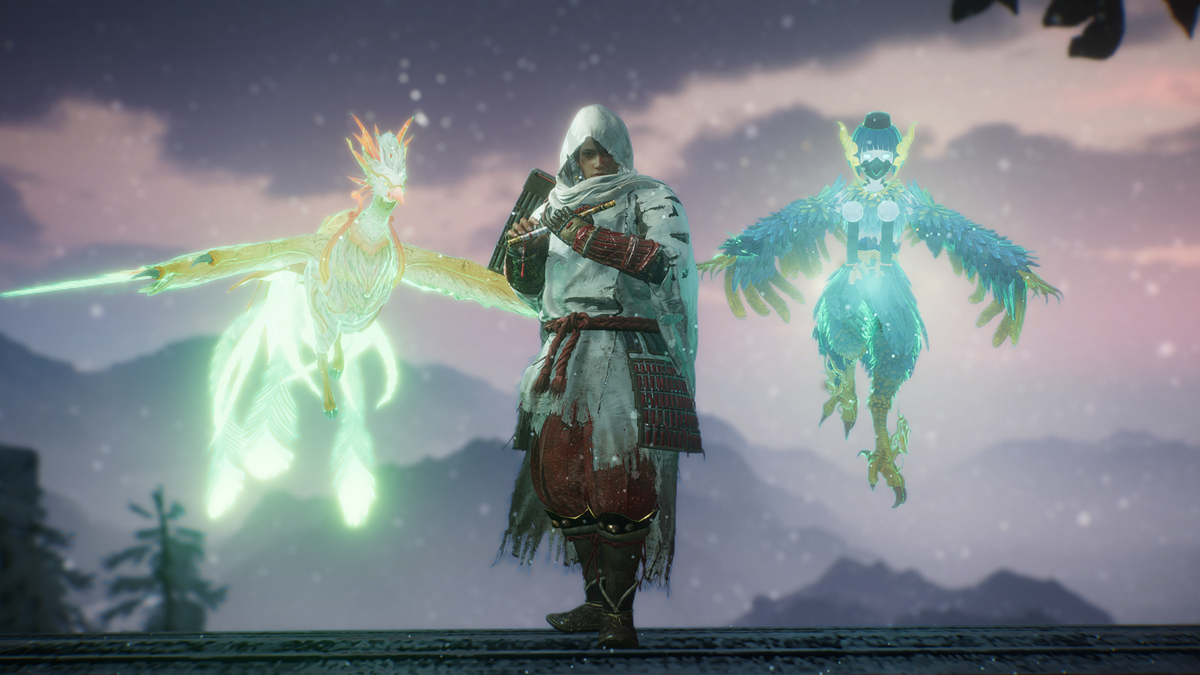
Mechanically speaking, Nioh 3 starts in a peculiar manner. By default, Samurai style is incomplete, having only access to medium stance (don’t worry, that gets remedied very fast). On the flipside, Ninja style has access to all its basic mechanics from the get go. I found the first tutorial boss to be exceedingly tricky in Samurai style, until I tried in Ninja style and understood that the game was trying to teach me to appreciate both, and to change accordingly to the situation. In that sense, Nioh 3 is not necessarily an easier game than its predecessors, but it feels more approachable.
Compared to previous entries, I didn’t feel like I had to commit to one weapon class, I was encouraged to experiment and swap freely. The name of the game is still all Koei Tecmo’s signature “masocore” challenge, but the new open-field structure, and the division between Samurai and Ninja styles introduces a deep level of choice and flexibility. These open-fields are composed of various regions, each one designed like various traditional Nioh missions, but adjoined and seamless. This means that the way you enter, discover, and approach some regions can be different on a player-by-player base. Oftentimes the game will set you on a linear path, but when you have the freedom to approach missions, it’s an interesting twist. The second region in particular is especially good at doing this with its main objective.
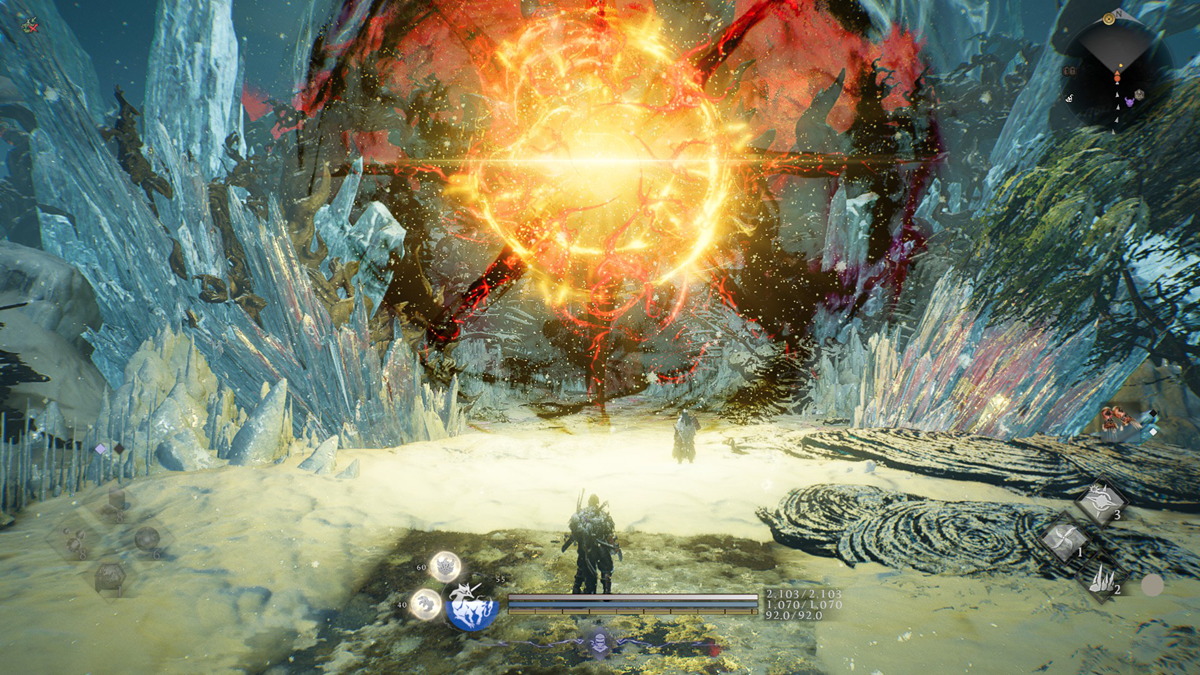
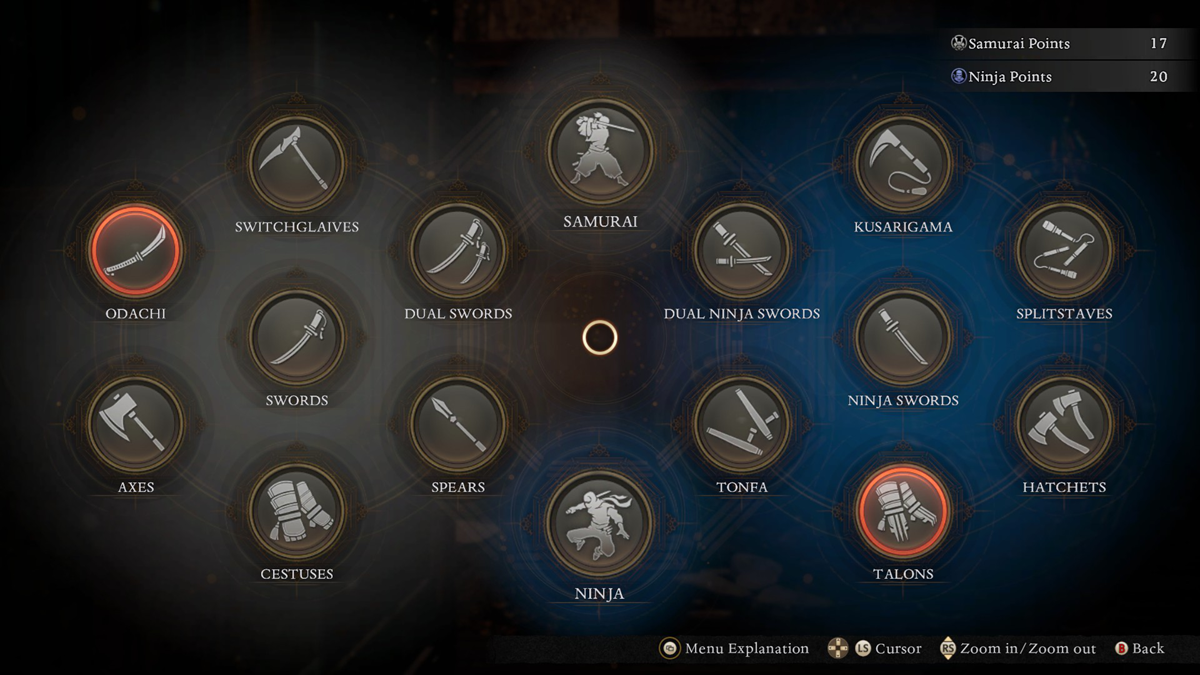
During my 70 hours with the game, I tried dual swords, odachi, and switchglaive for Samurai, and dual ninja swords, talons, and hatchets for Ninja style. I never ran out of weapon points and in fact had a surplus at all times. Being able to fully respec your character at almost any time is an amazing addition, but feels so necessary in retrospect. I feel like the new Ninja style is going to be divisive among Nioh veterans, depending on your preferred weapons. Nioh 3 is all about tradeoffs and compromises. Almost every mechanic has been reworked and expanded in some way. Ninja weapons don’t have access to stances, but are faster and deal more damage to enemies from the back. This lends Nioh 3 an almost Ninja Gaiden feeling that really clicked with me.
In turn, this means that Ninjutsu is now an essential part of your kit. I was never a fan of Ninjutsu in previous games—preferring Onmyo magic—but I loved how it has been implemented here, especially the way you recharge your Ninjutsu by fighting. Meanwhile, Onmyo has been reworked to be attached to yokai Soul Cores. I understand why Team Ninja didn’t make a dedicated Onmyo tree this time around, and I actually appreciate it. Having so many options available doesn’t mean you’re overpowered. I still died a lot, but I feel like Nioh 3 reduces frustration by giving new ways to approach fights. As I played, I took a much more aggressive role in fights, going in to deflect, evade, and position myself in the most advantageous way to unleash combos, Ninjutsu, and magic.
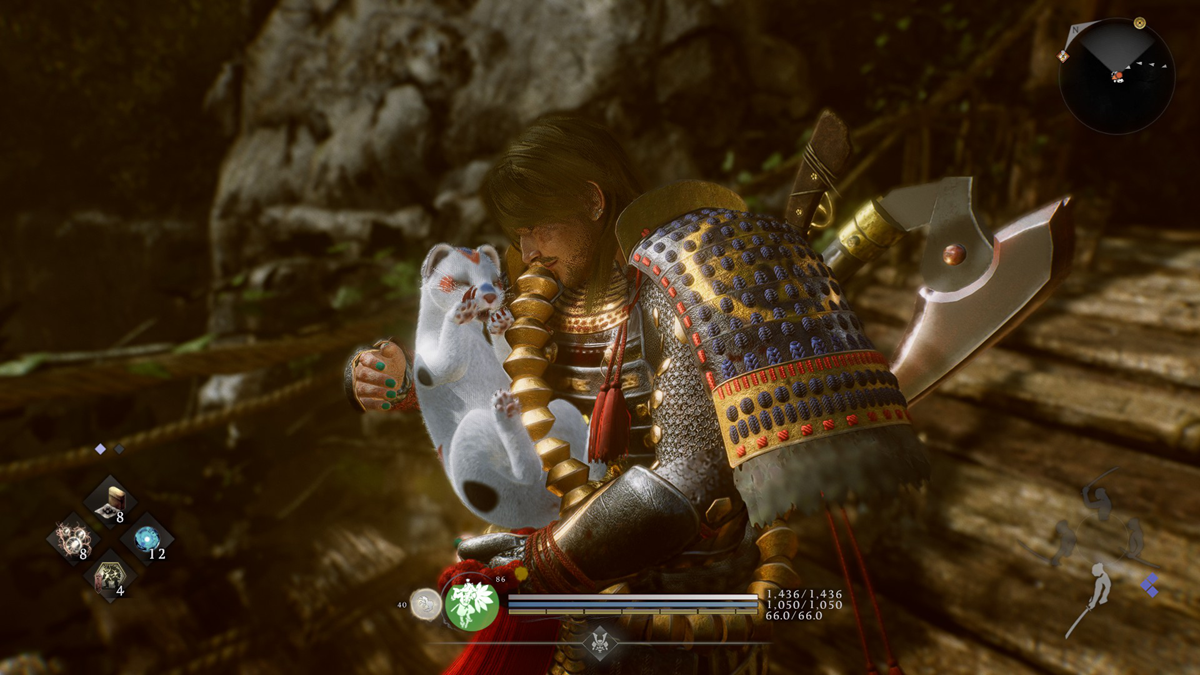
Team Ninja has leveraged the studio’s years of experience to make Nioh 3 feel the most interesting out of any game in the series. Being accessible doesn’t mean that the game makes compromises with its intended audience. Nioh 3 can also be the studio’s most devilish endeavor. The inclusion of so many options and flexibility, both in combat and exploration, means that frustration is kept at a minimum in a genre known for its challenge, while maintaining the friction necessary for triumph to taste oh so sweet.
Nioh 3 will come to PlayStation 5 and PC via Steam on February 6, 2026.
Nioh 3
Nioh 3 makes considerable changes that feel second nature to the essence of the series and makes for its most exciting and accessible title. A copy of the game was provided by the publisher for review. PC version reviewed.
Pros
- Spend time learning the timing for deflecting as a samurai and evading as a ninja. It'll come in handy in the mid to late game.
- I really liked the Crucible levels. The introduction of Crucible weapons and abilities that you can unlock for free made for a very flexible way to try new weapons.
- Scampuss continue to be really cute, but the Chijiko have managed to overtake the throne for me.
