


 By
By 
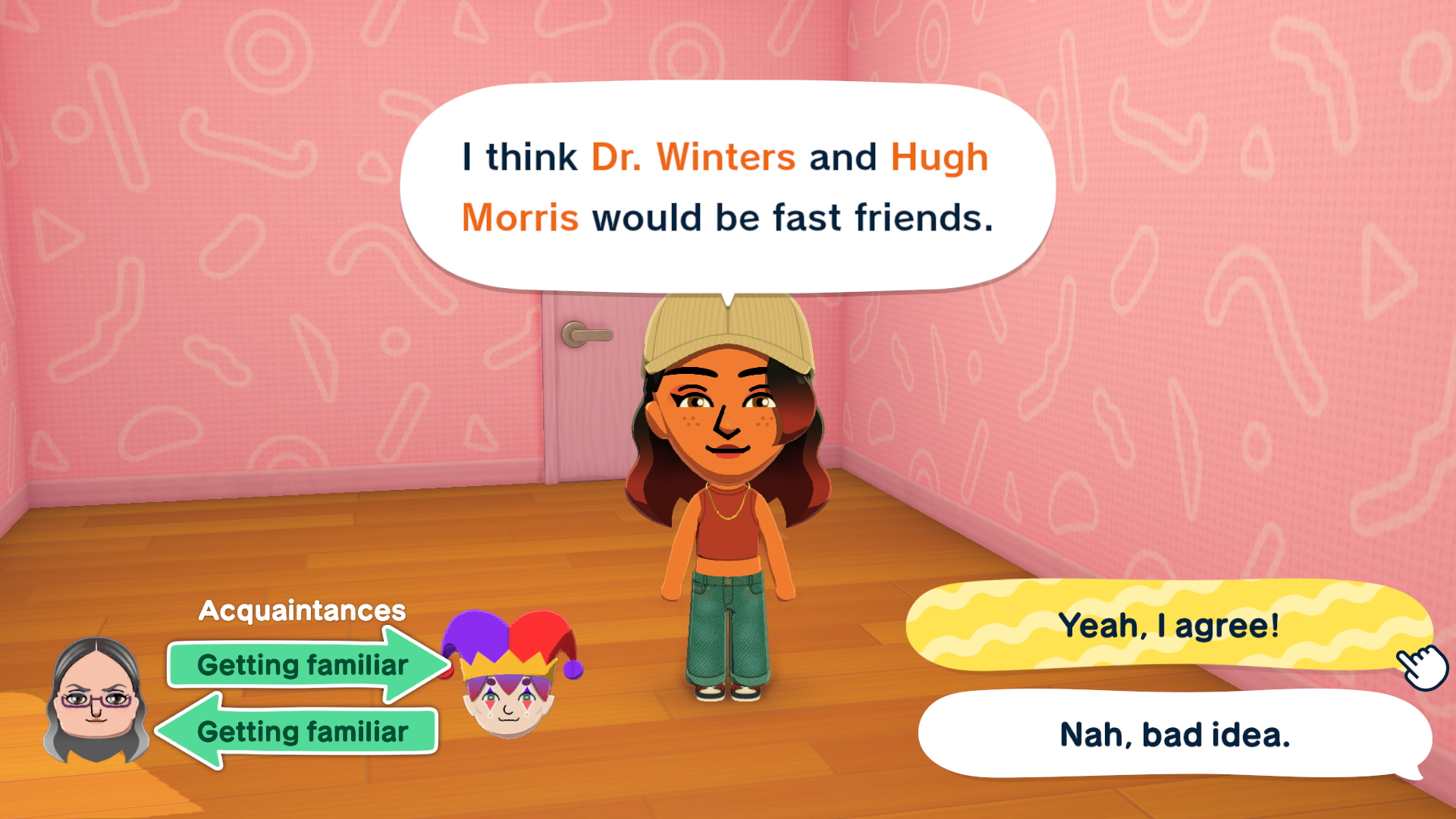
When Nintendo discussed Tomodachi Life: Living the Dream in its dedicated Direct, it brought up some of the ways in which we’ll get to customize this new experience via elements like face paint and Quik Build. Which makes sense, given that’s been such a major feature in all games in the series. They’ve always been about creating characters, watching their lives, and influencing their appearances, actions, and relationships. After getting a chance to spend a few hours actually playing the game, setting up an island home, and shaping some Miis lives, I feel like there’s so much more than we could have expected. Like sure, there’s the element of nudging them into friendships and relationships we might want or making them look certain ways through the initial setup process and clothing. But it isn’t just the Miis. It feels like other areas are up for grabs.
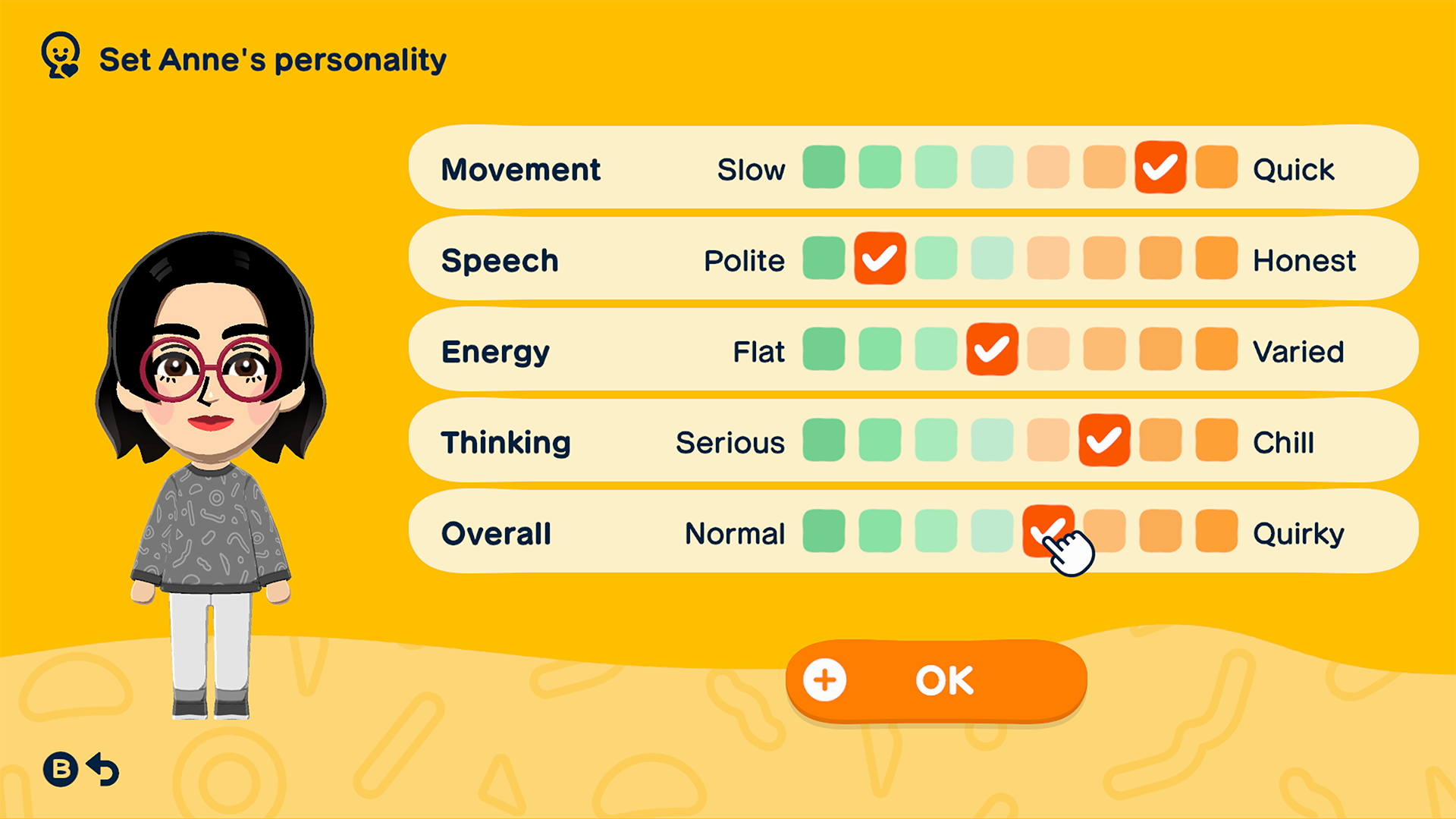
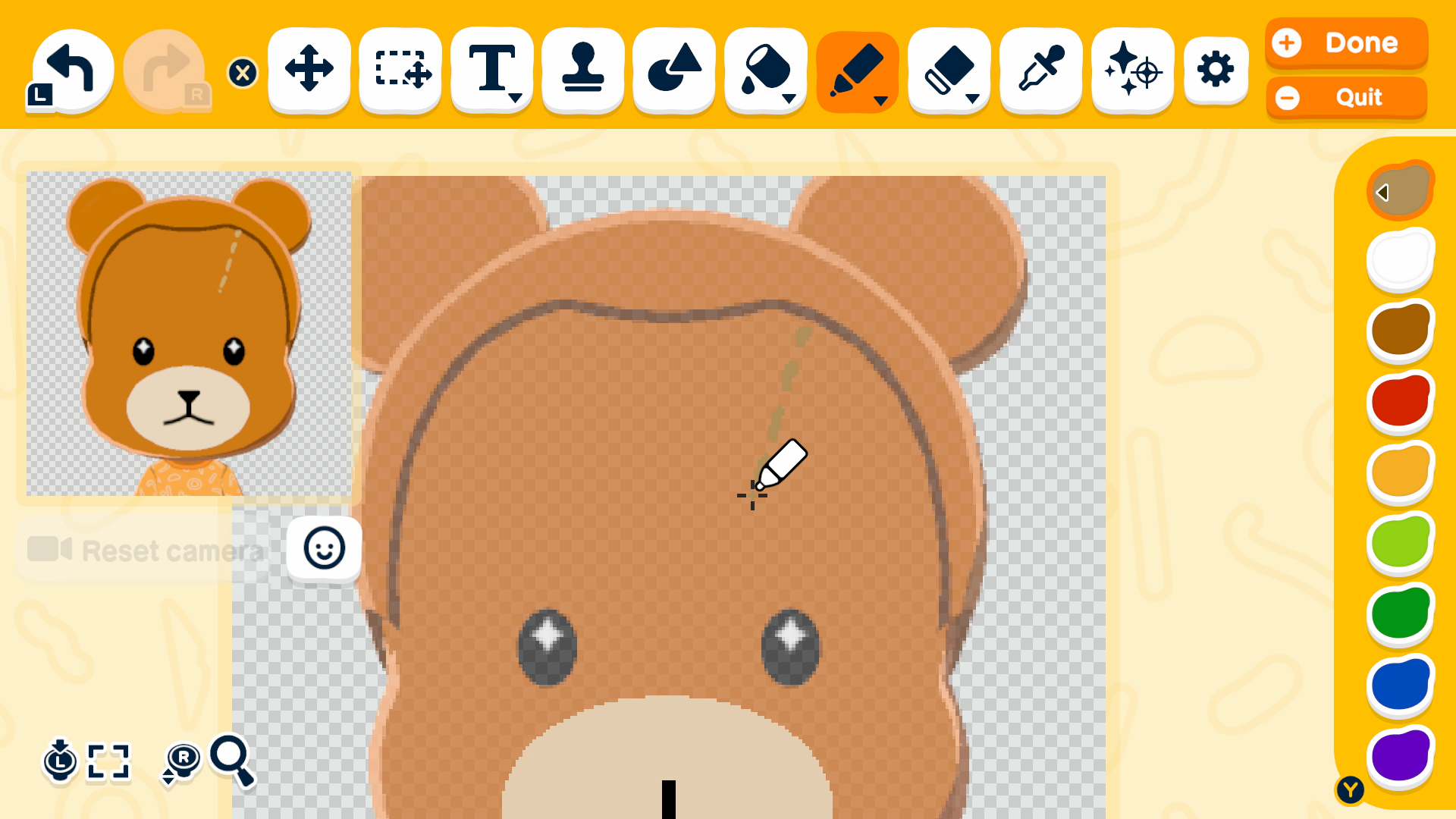
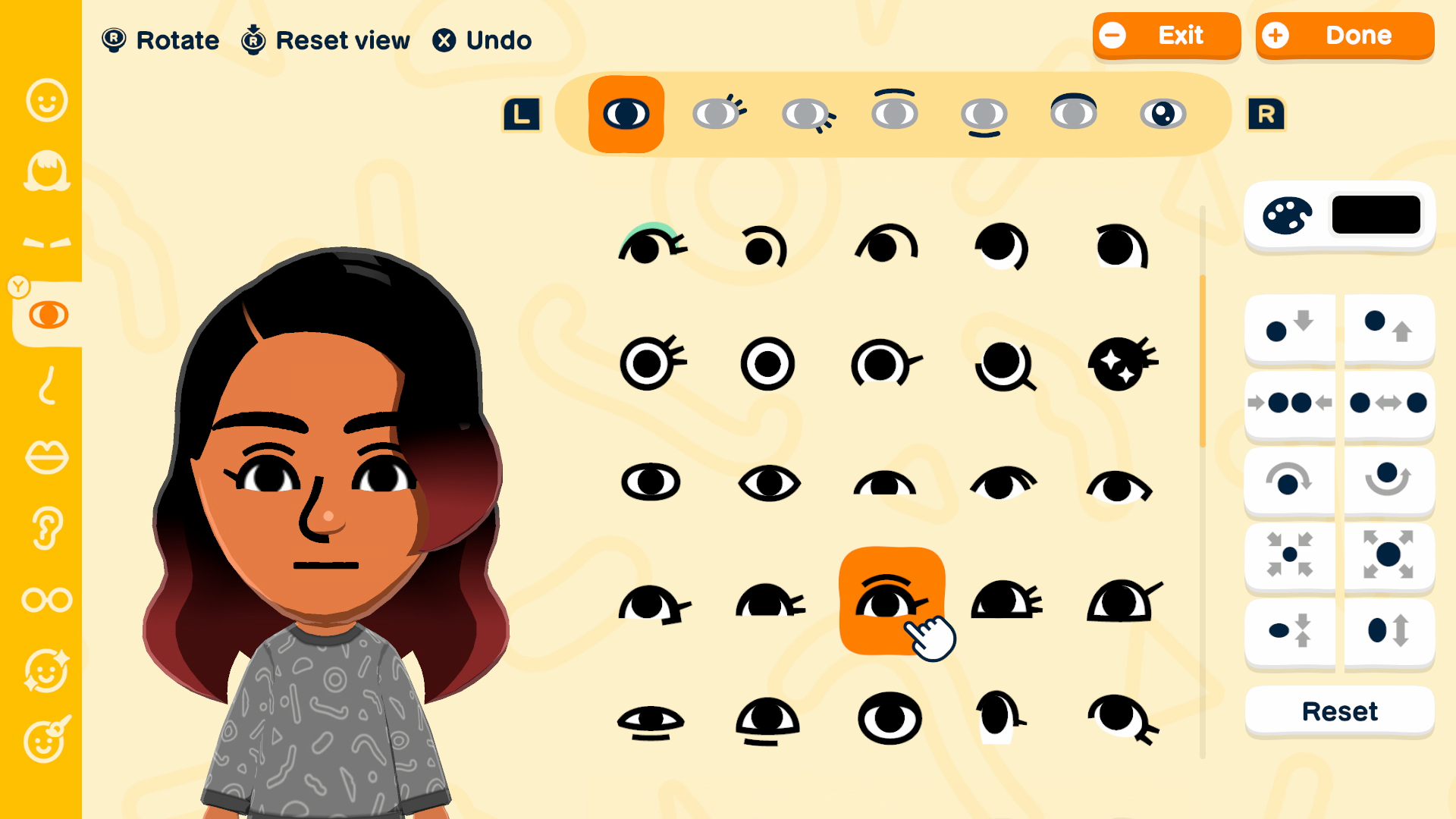
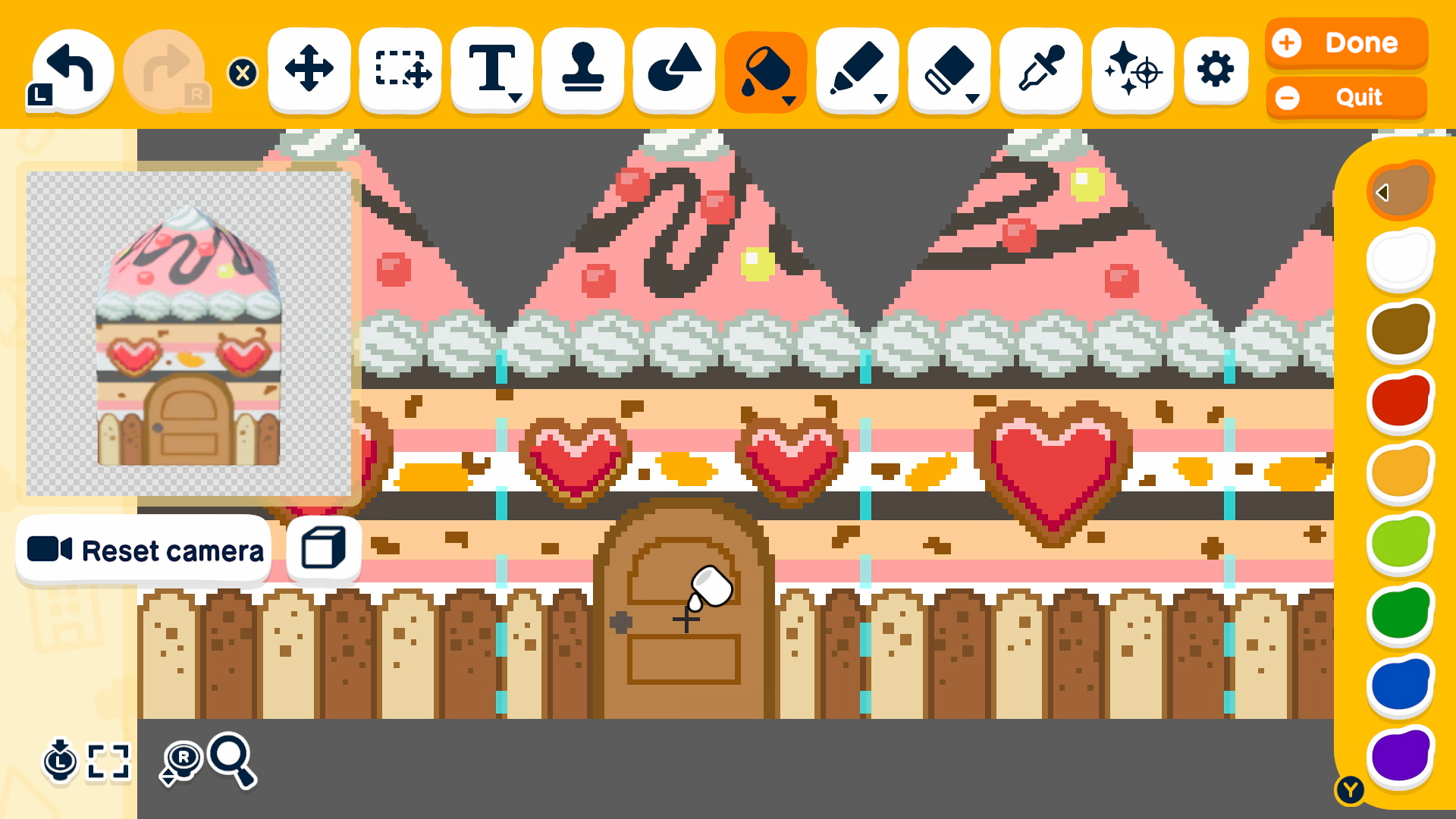
Of course, everything starts with Miis in Tomodachi Life: Living the Dream. When you begin, you create one character. (You determine their hair, eyes, nose, if they have visible ears, eye glasses, makeup, if they have facial hair, height, size, gender, attraction, voice, and personality traits. Many of these are recurring elements from past Mii character creators, but I also felt like I saw quite a few new options! I especially appreciated the two-tone hair possibility, as well as the ability to already establish someone as a partner, child, parent, grandparent, sibling, grandkid, or relative of another established Mii. But with face paint, it really feels like a comprehensive way to customize characters in a more intricate fashion that isn’t limited to the sort of grids like we saw in past Animal Crossing games’ fashion designers. The Pro Mode option lets us opt for more advanced settings for some of the different design elements. When that’s on, you can turn on a grid view and the option to draw along grid lines or select the background color, as well as adjust the color palette and color range. It’s also possible to zoom in, and the touch screen is enabled for this area in handheld mode, which I found helped with the process.
That same customization element comes up in the Palette House feature. Tomodachi Life: Living the Dream, from my time with it, adds new functions as you create new Miis to live on the island. So it’s a gradual sort of experience where you “meet” a person, interact with them and folks you may already have there, then get access to a new feature as a result of a request they might have made. The food creation option is a good example. You can have a blank slate, or start with elements like a plate, bowl, box, can, or past creation to start with a backdrop. You can use stamps to offer some sort of default setting, and part of that even means using the faces of Miis you added so far. Said creations can also be turned into stamps for additional use in other designs.
Of course, some of the other established elements are things we saw in Tomodachi Life and Tomodachi Collection. Where & Wear is the clothing store, with daily “specials” that expands the selection lineup and single pieces. T&C Reno is tied to interiors, with again a daily options that involves a new possibility. With money we acquire by helping Miis, feeding them, and interacting with them, we can invest in elements that let us further adjust how they look. The new Little Quirks feature also feels like a means to ensure individuality when setting up characters. It sort of seems like they’re all elements designed to help the Miis we add better resemble the real-world or fictional people they are based on.
Speaking of returning elements, the Fountain is back. This ended up being a scenic area in the original handheld games. Here, as we make characters happy and see them level up, we can earn currency to level up the island at the fountain and grant a wish. The first time it levels up, we get new “give a gift” options for when a Mii levels up, adding new goods and Little Quirks possibilities. It acts as a motivator to continually check in on Miis, as our influencing them fills the bottle that lets us grant more wishes and gain access to more possibilities. Which in turn shapes our experience in unique ways.
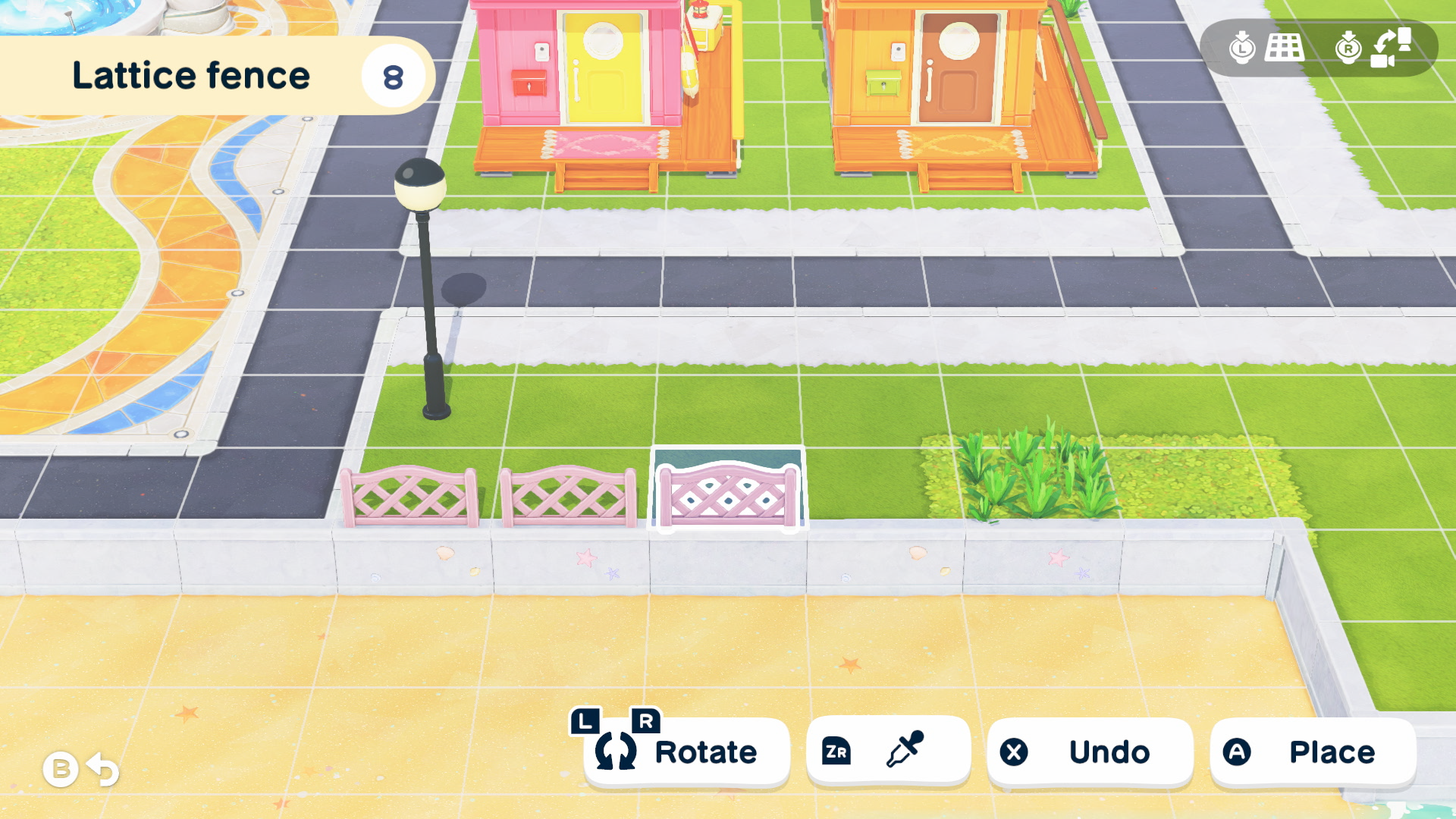
Finally, there’s the Quik Build feature, which is new to this installment. At any time, we can adjust the way our island looks. Initially, this could involve making a path from a house to connect an isolated home to the major landmass. But we could also add decorative elements or things characters can interact with, and the Miis might even ask for these sorts of things. For example, a bench is one of the earliest additions. It’s a means of making an island look exactly how you’d like, or provide more opportunities for characters to interact and enjoy different things. It sort of feels a bit like the Animal Crossing: New Horizons terraforming element, though of course the perspective is different.
Nintendo gave us chances to customize our Miis’ lives in past Tomodachi games, and it seems like the company is going to offer more ways to influence many elements in Tomodachi Life: Living the Dream. We’ll decide who they are and how they look, with the creator offering more customization options. We’ll choose what their interiors look like again. We’ll even shape the design of the island and some of the items. After a few hours, I saw a lot of ways in which I could adjust things to my liking, both in terms of appearances and behaviors, and I’m sure there will be even more things to alter as I spend more hours with it.
Tomodachi Life: Living the Dream will come to the Switch on April 16, 2026.
We may earn a commission if you purchase from certain links. Learn more here.