


 By
By 
The majority of Princess Maker style games tend to follow in the exact same sort of narrative framework as the original child-raising and stat management simulation. The “princess” in question is magical in nature. She’s not related to the guardian raising her. We’re seeing her starting at about 10 years old. There might not be as strong of a connection at the start. Neotro and Magi’s Magical Princess feels more like a family simulator at times due to some of the narrative choices throughout, as well as includes more social elements, resulting in more of a connection as we raise a kid into a hopefully healthy and happy adult.
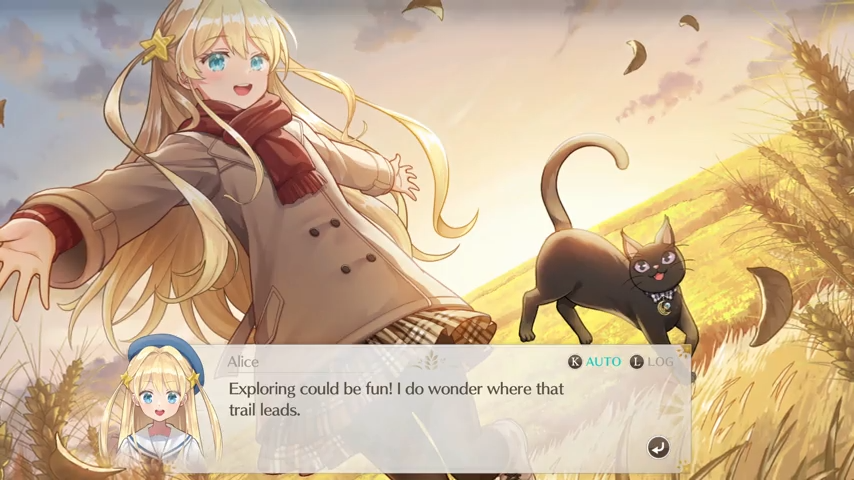
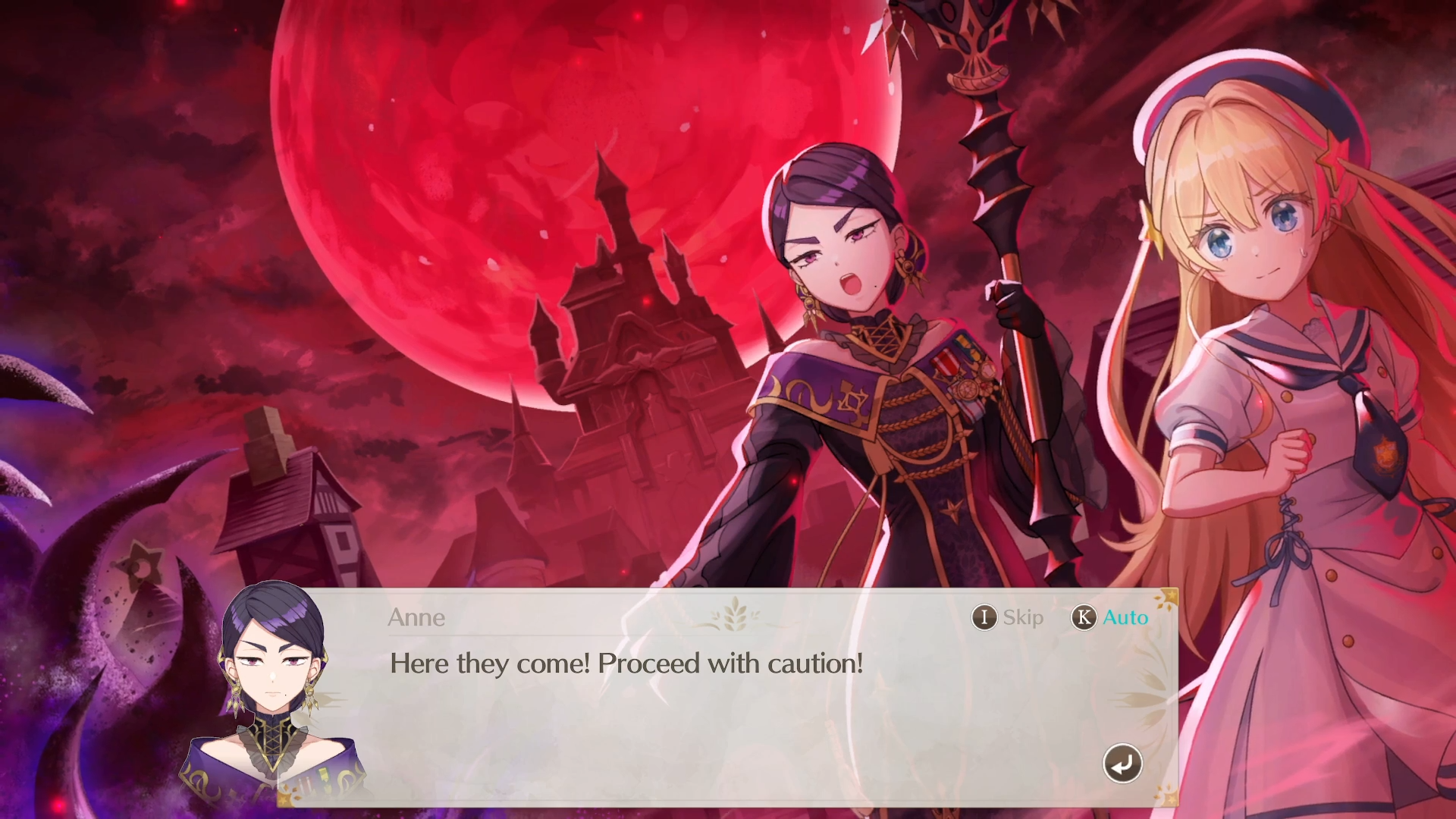
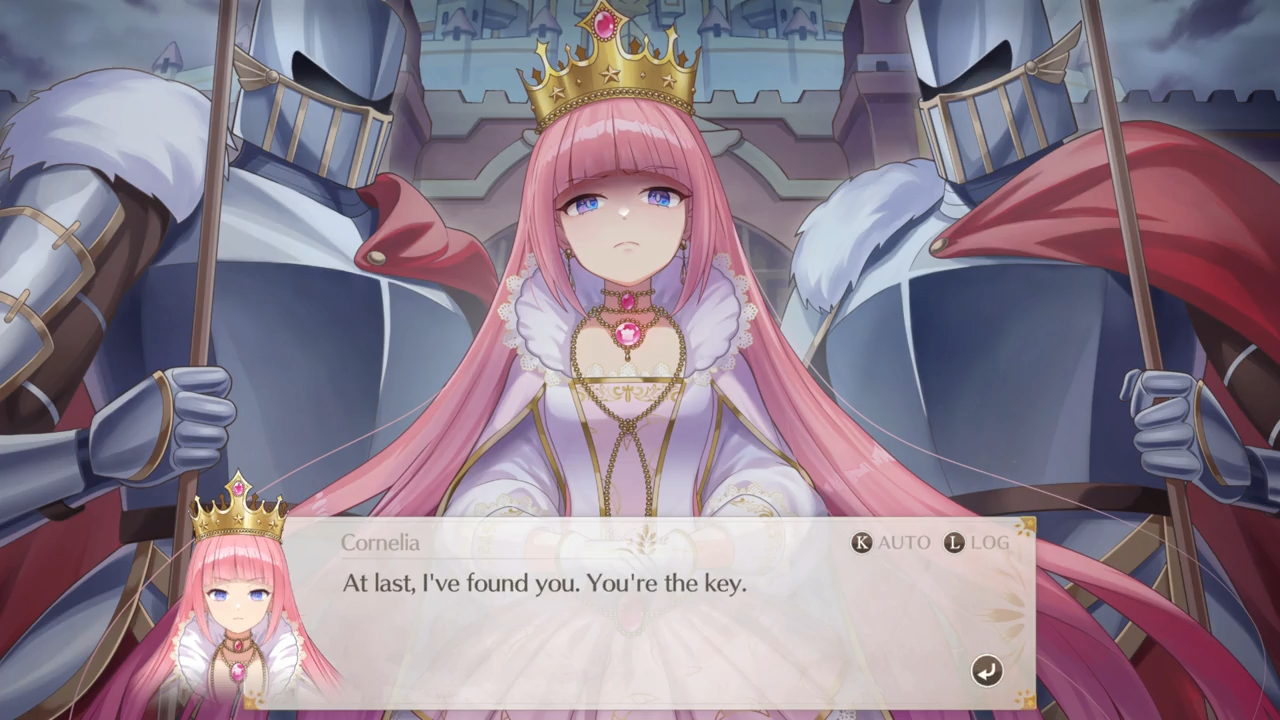
Magical Princess starts with a heroic, loving family. Following a peace-threatening incident involving a Dark Mage opening a gate between the realms of humans and monsters, a Light Mage named Sara managed to seal the villain and portal with the help of her allies. She then married the priest who journeyed with the group. That’s the player’s avatar, and the two end up as a family with their daughter Alice. (You can rename her.) As the game first begins, we see this happy trio together, and this time as a family acts as a tutorial. However, things happen and lead to our character being widowed and left to raise Alice on his own. We set her schedule and send her off to school and town, while also deciding if she helps investigate and fight back against the Crimson Moon and its monster invasions. So at least, at the outset, we have this sort of setting that makes things feel more like a true family and natural friendship, rather than a situation where boom you’re suddenly a parent to a 10-year-old.
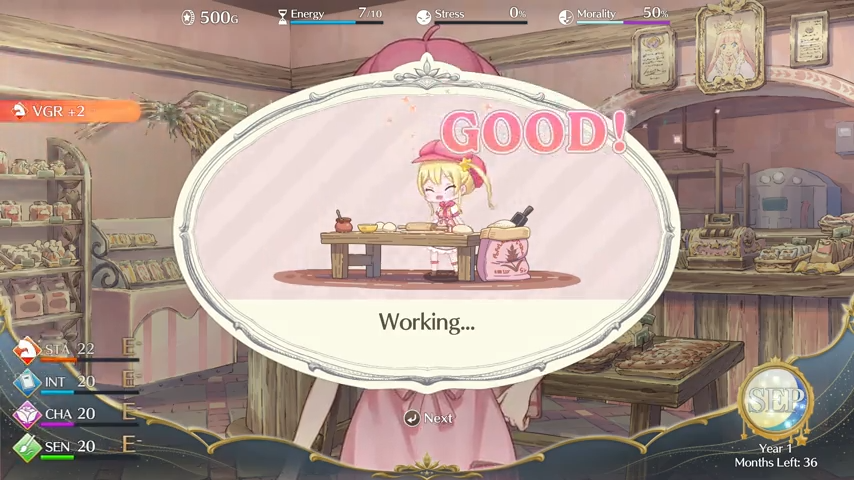
In many ways, Magical Princess works much like Princess Maker does in terms of the routine we follow in the game. From the home hub, we can talk to the daughter, eventually have her cook, choose if she goes to the academy, jobs, or town, decide if she cooks, and determine when she rests or you go on family trips. It’s also possible to determine who she spends time with, to help develop relationships. Different classes and jobs can affect different stats, increasing and decreasing them. This also determines how stressed she might get, her morality, and her money. Likewise, working at jobs increases money, which could be spent on things like stat-affecting outfits.
However, there are a number of ways in which Magical Princess improves upon the Princess Maker formula or makes it much easier to understand so the game feels less tedious or even dependent on random luck for success. A big one is the tone, which I mentioned earlier. Because there is this backstory of the priest and Light Mage getting together and raising a family, it feels like there’s more of a connection to the daughter we’re raising. This also comes through in the conversations, as they’re much more personal, loving, encouraging, and parental than the generic lectures or pleasantries from the original Princess Maker. Alice’s relationships with other characters also feel like they have more depth and warmth to them. Like you actually can see a friendship form.
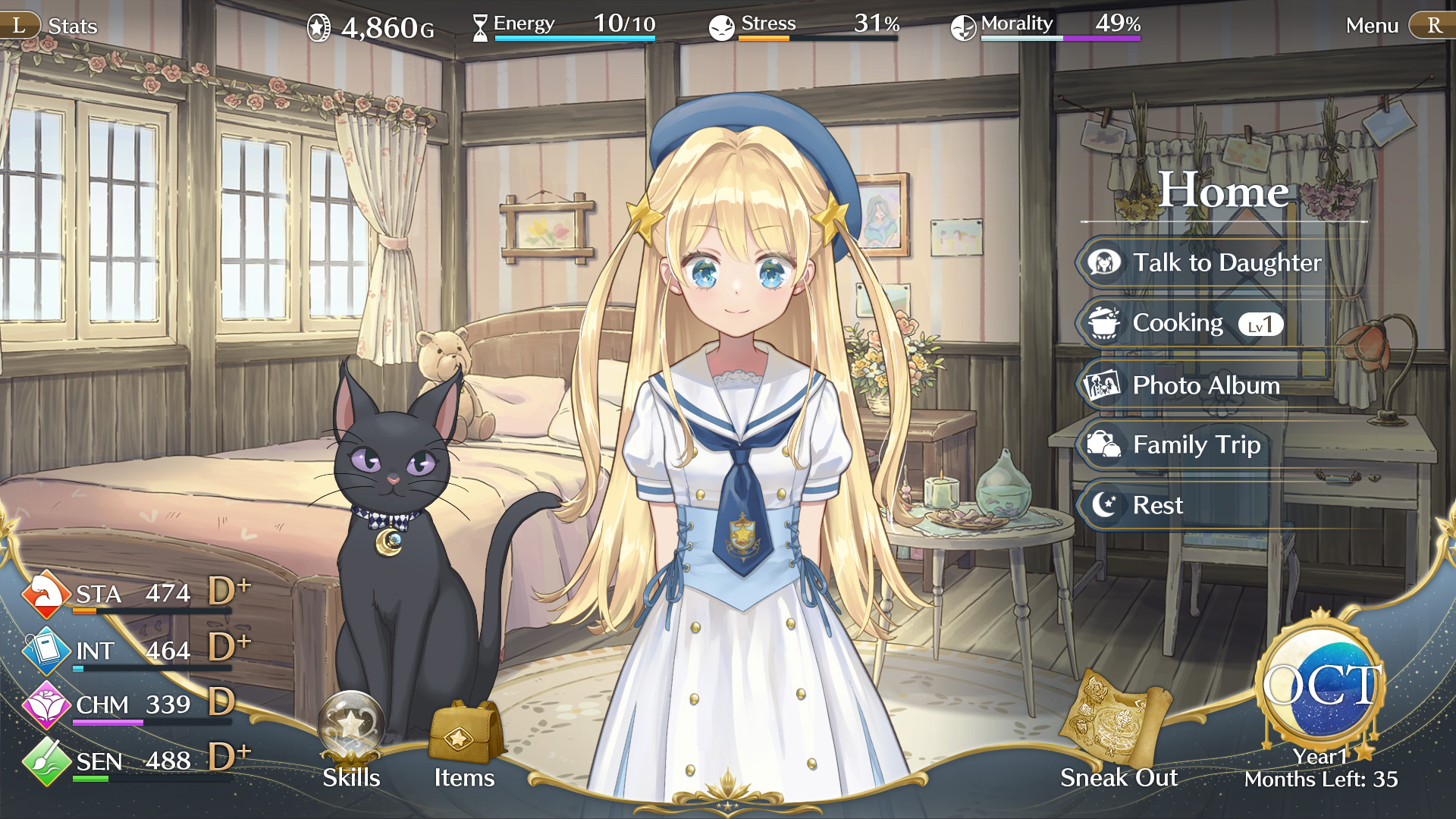
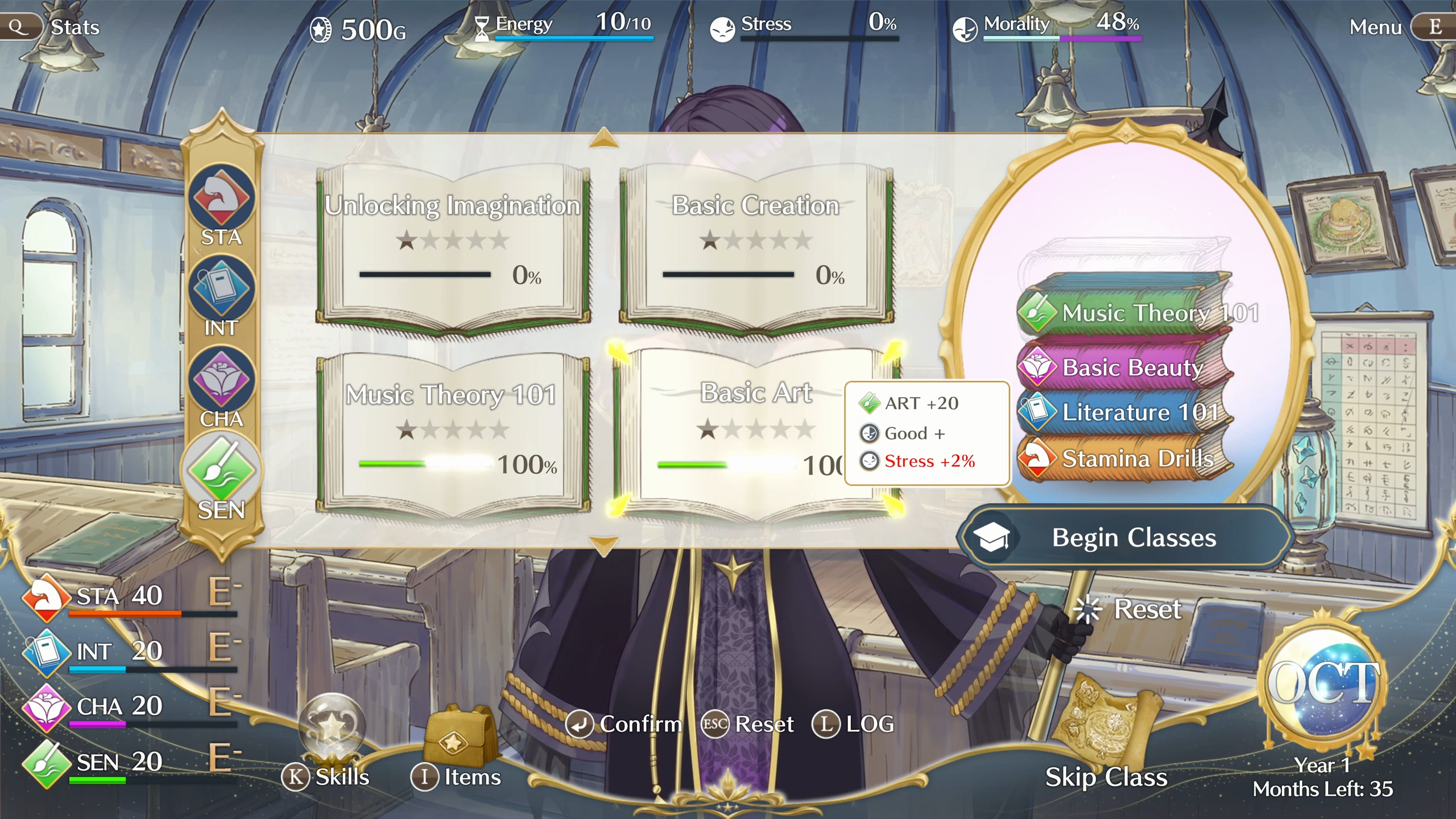
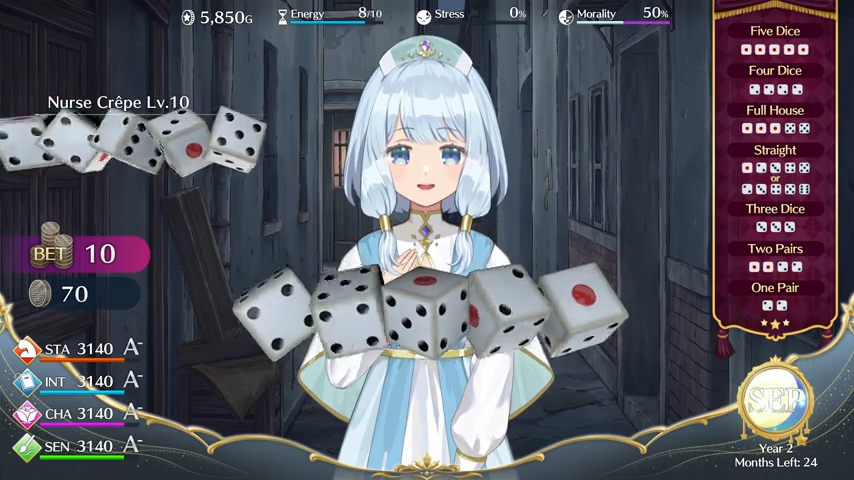
I believe the way in which stats are handled and displayed in Magical Princess makes the management process come across as less intimidating than in Princess Maker and similar games. On the main screen, you always see Stamina, Intelligence, Charm, and Sensitivity bars. These let you see at a glance what fields she’s leaning into. However, in the menu and any class and job screen, there are more specific details. The STA stat is influenced by her Vitality, Vigor, Strength, and Speed stats. INT is based on Literature, Math, Magic, and Piety. CHA is tied to Beauty, Manners, Sociability, and Virtue. SEN is linked to Imagination, Musicality, Creativity, and Art. Her Battle stat is kept separate and increases as her HP, Attack, Defense, Speed, Stamina, Dark Magic, Light Magic, Magic Resistance, Incantation Speed, and Luck rise. We can also factor in her bonds, buffs from male and female relationships, and general renown. But because there are those letter grades and general figures on-screen, we can tell at a glance if someone is going to be more of a social butterfly, a warrior, a scholar, or an artist at a glance and sort of course-correct if we see certain general letter grades getting too high or low. That grouping also helps you figure out which stats work together and fall into the same group for certain goals, which is handy.
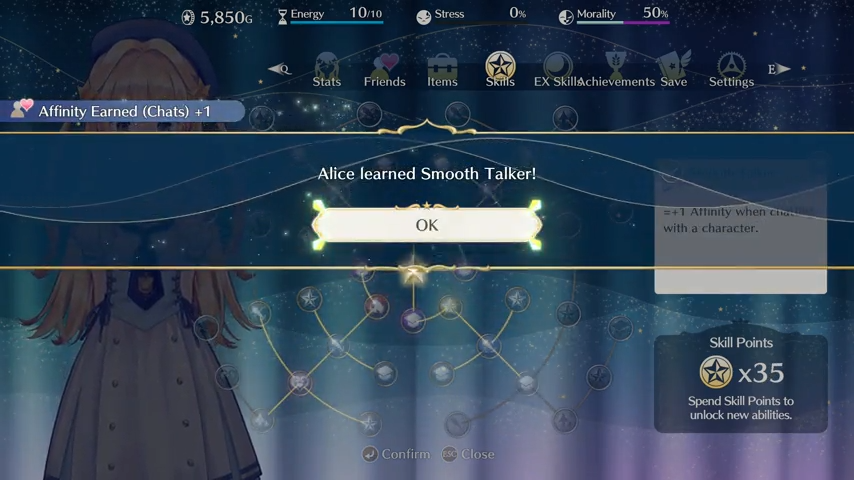
Now, earlier I also mentioned that I felt like my success didn’t feel as tied to RNG in Magical Princess. There is some of that, especially when Alice is young. However, the Skills and EX Skills systems both make it feel like you can influence how well she does in certain areas. This means if you are shooting toward a certain kind of job or lifestyle for your daughter, you aren’t just hoping she does okay when you send her to a bunch of Literature and Magic classes. The Skill tree looks a bit like the Final Fantasy X Sphere Grid and involves investing Skill Points into nodes to help with certain actions and activities. For example, the first four nodes you can light up are “A Student” skills tied to STA, INT, CHA, and SEN stats. That guarantees 5% bonus classwork progress for classes tied to that. So “A Student (INT)” would help with Literature, Magic, Math, and Religion courses. Something like “Pay Raise” or “Freshen Up” are generally useful, since the former increases wages by 10% across the board and the latter reduces stress by 1% when a new month begins. However, if you’re going to focus on certain possible roles for her, then you might want to get “Firestarter” for a young witch to get her Fire Circle dark magic. Or maybe an Alice heading down a less moral path might benefit from “Cat Burglar” to increase her chances of stealing by 5%.
Meanwhile, the EX Skills unlock at Rank A for STA, INT, CHA, and SEN and as family Bond increases. If Charm hits A, you could use a Skill Point to invest in “Genius Gift Giver” and increase affinity by one point whenever you give a gift. Some of these are extra helpful, since they don’t only affect the stat group they represent. The Sensitivity “Self-Help Prodigy” is one of my favorites, as if you succeed at a class or job then you get a 20% boost to the stats you earned from it.
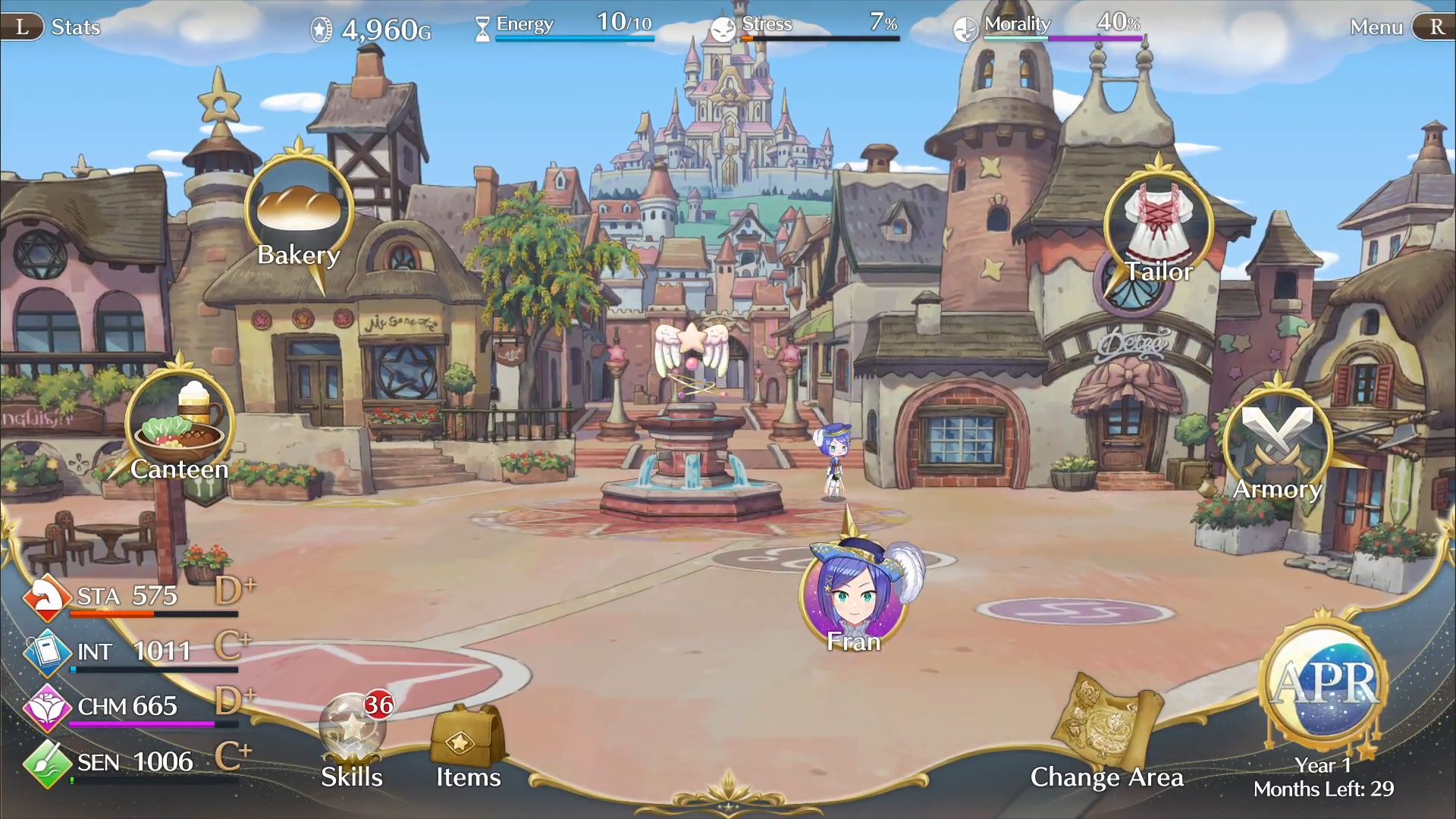
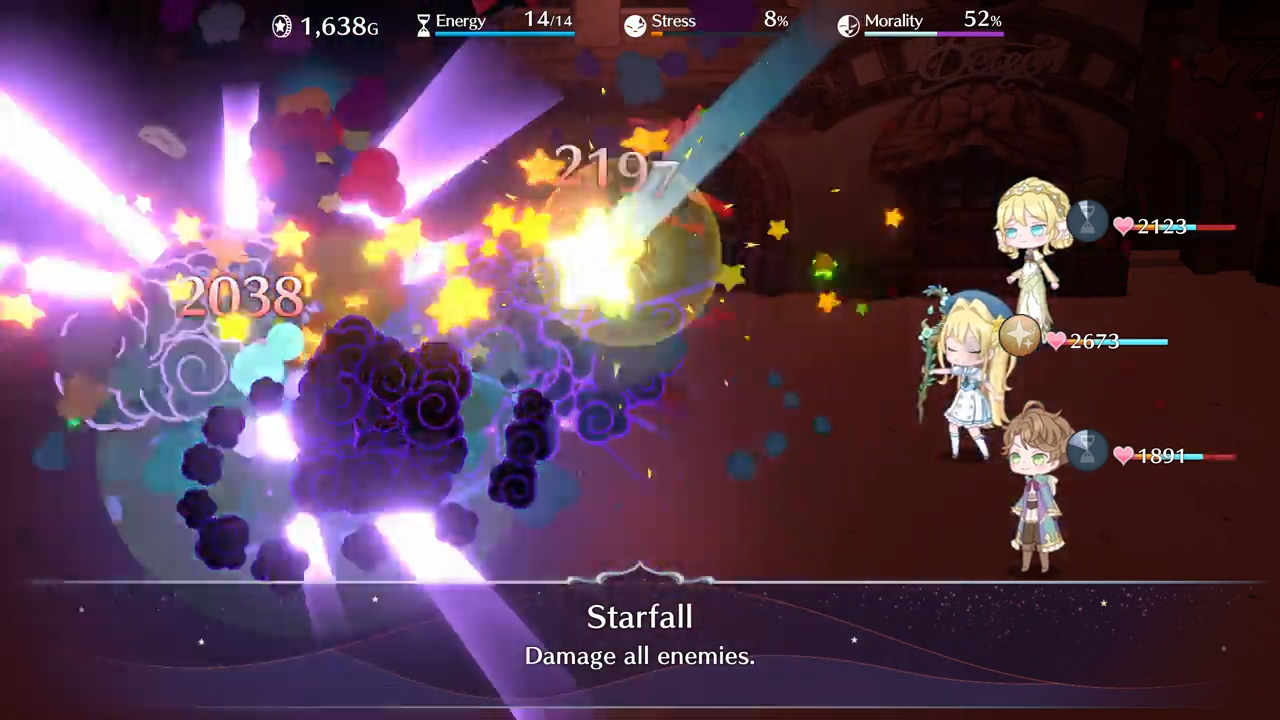
Also, like Princess Maker, there is a combat element to Magical Princess. We can send her out on things like a monster hunt, with friends she’s made along the way like Fran and Hasis acting as allies. These aren’t terribly deep fights, but they are important. (I’m not going to get into spoilers here, but I felt like the way it’s handled paired with certain story elements helps enhance the story and flesh out Alice as an individual.) More importantly, it does feel like a nice nod to those previous games in this genre and Alice’s parents roots. I also appreciated that she won’t be fighting alone, as it helps with the idea that she’s forming connections and deeper bonds with people around her.
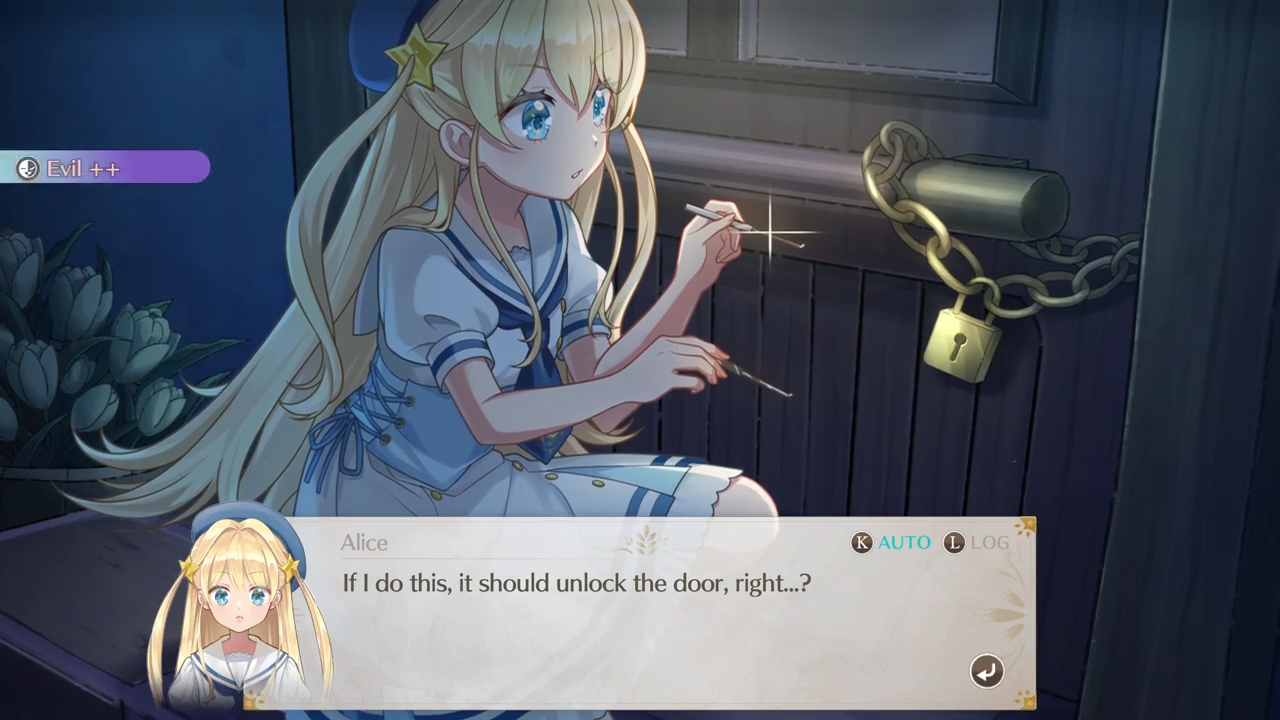
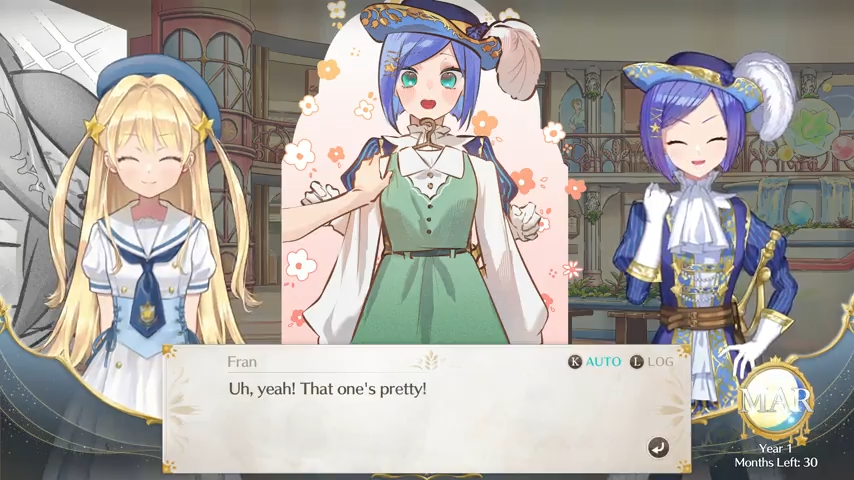
I think they only thing I didn’t really care as much for are the animations for the jobs, classes, and battles. The CGs for things like interacting with friends and going on trips are amazing. The character portraits for conversations look great. The outfits are often incredibly adorable. But when we get to those combat and daily action animations, the puppet-like look of them doesn’t really fit in with the high quality art we see elsewhere. It isn’t terrible, but it sticks out and feels a bit disjointed.
Magical Princess is an admirable daughter-raising and stat management game, and it feels like Neotro and Magi learned from the example Princess Maker set. It’s more streamlined when it comes to presenting information. The Skill and EX Skill system also can make it less daunting and easier to succeed when pursuing certain goals. Most importantly, I really appreciated how important bonds seemed to be here. It really establishes the character Alice as someone with a family and friends who care about her.
Magical Princess is now out on the PC via Steam, and a demo is available.