


 By
By 
Yacht Club Games built a name for itself off of Shovel Knight and its spin-offs, becoming known for its 8-bit spritework and clever platforming challenges. Mina the Hollower provides an opportunity to build on that by expanding into a new genre, and this The Legend of Zelda style top-down action adventure game doesn’t miss. It challenges the player in whole new ways, while offering a compelling story and excuses to go hunting for secrets and new challenges. I’m not sure it’ll inspire follow-ups like Mina the Hollower: Dig , but the characters are so delightful and world so exciting that I’d be happy if it did.
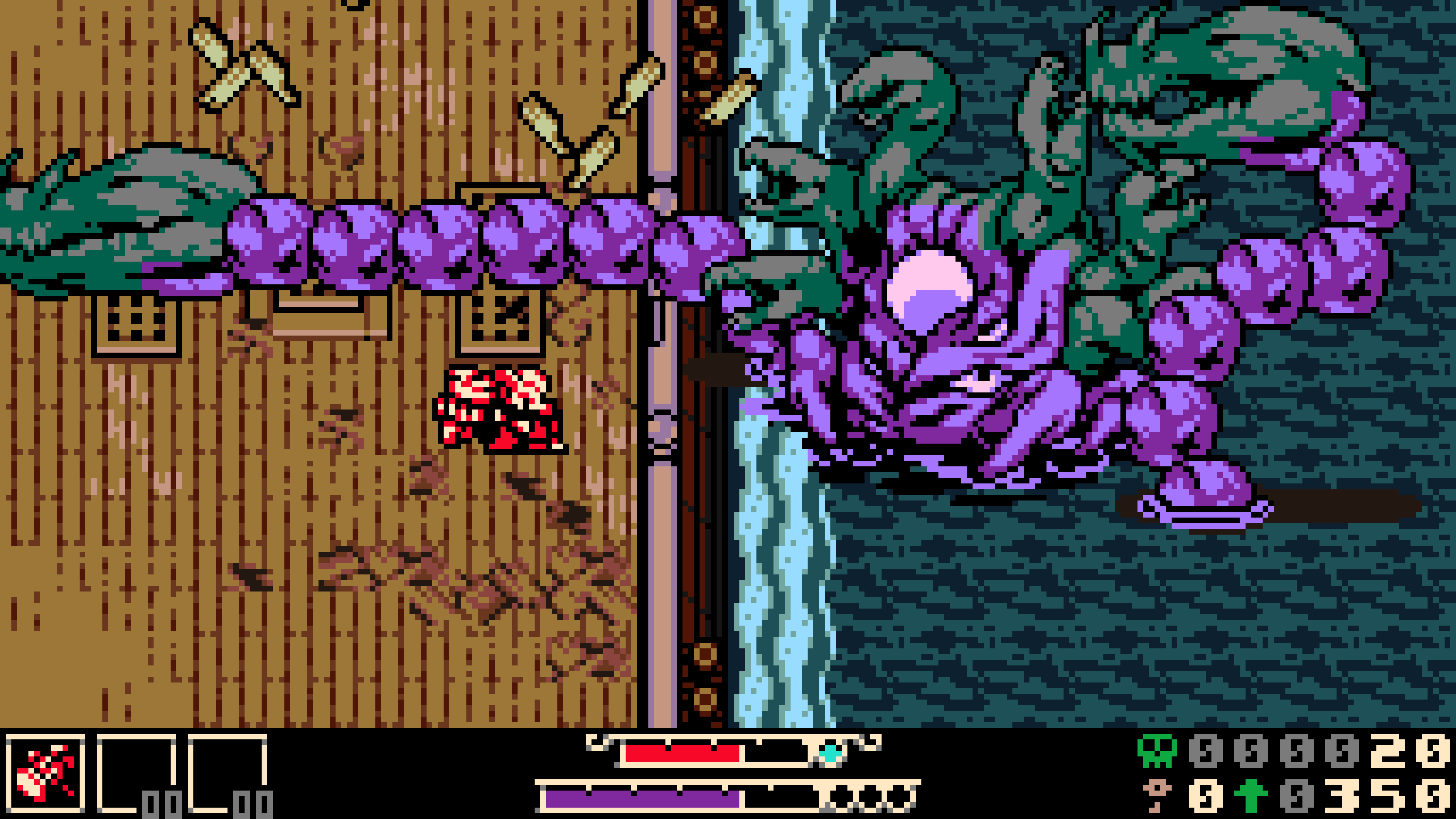
Mina the Hollower begins with our heroine on a ship to Tenebrous Isle, summoned by Baron Lionel of Ossex to investigate why the Spark Generators she invented and set up across isle are failing. However, she’s given a hint as to how bad the situation is even before making landfall and starting her investigation. The boat she’s on is attacked, with a Nether Kraken assaulting passengers and crashing it. Before she can even properly deal with it, the vessel is destroyed and she’s knocked out. Once she lands, she finds monsters lurking about, apparent “traitors” running around, and needs to fight her way to even reach Ossex and start going to the different Spark Generators to learn what’s going on.
In many ways, Mina the Hollower feels like both a The Legend of Zelda and Castlevania game. The perspective is there and calls back to the early titles in both series. Mina begins with an option of three different kinds of weapons, as we can pick some fast cutting knives, a whip with some range, or a heavy hammer. (More options are available later, upon reaching town.) She can find and equip trinkets that does thing like bolster her attack, make her move more quickly, get more bones, ones that help mitigate damage. We can find sidearms that offer different sorts of ranged attack benefits. (One even acts as a vehicle!) This is all coupled with her burrowing ability that can be used for evasion or traversal and a leveling up system tied to collected bones. We need to pay attention to surroundings for cues or things like springs that can help us get to new places and deal with enemies that can outnumber or be stronger than us. As we gain more Sparks and explore further, we’ll find new ways to reach new areas and uncover more of the island’s secrets.
It’s Mina’s ability to burrow that really changes things up and makes the game feel special. She’s capable of burrowing under some walls or barriers, with visual cues offering hints as to where an observant player may dig to reach new places. It’s also a means of jumping further than usual, as diving down and surfacing near the edge of a platform could let you leap two spaces away instead of only one. You could time it to reach floating items or enemies. Most importantly, it can be a means of quickly getting around or dodging enemy attacks, allowing you to survive.
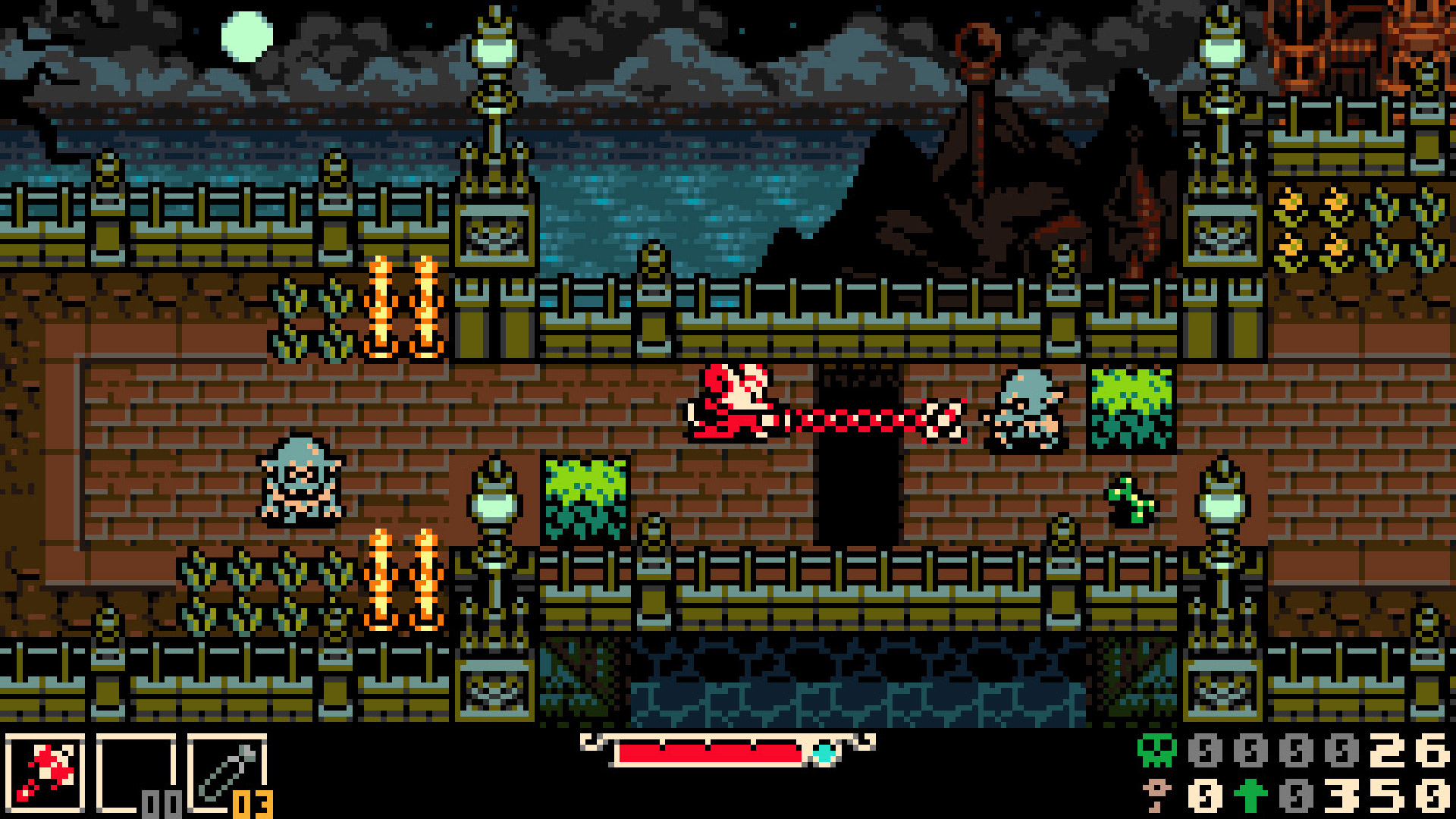
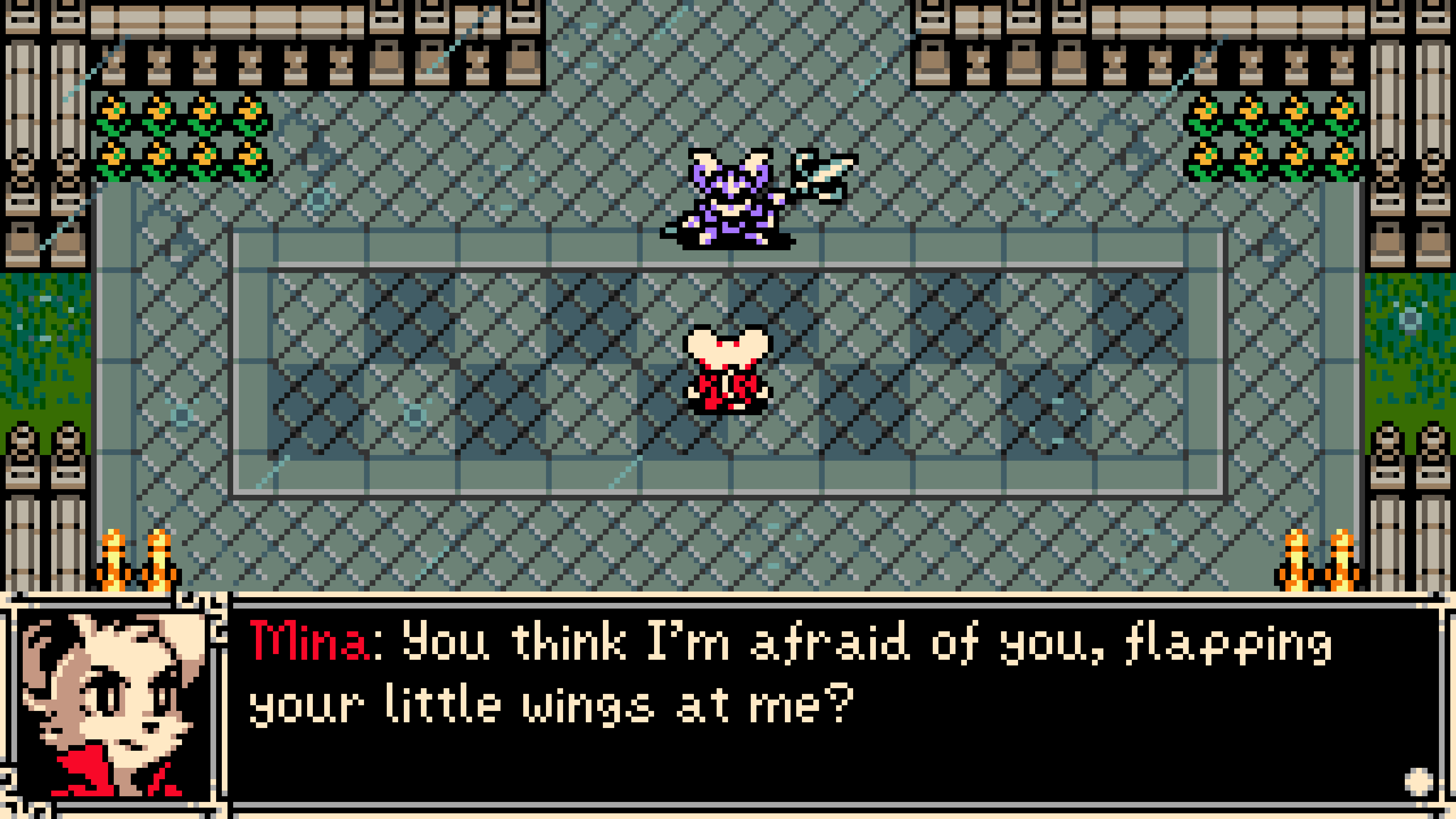
It’s probably my favorite thing about the combat. It feels like many of the major encounters are designed to encourage you to use burrowing to evade and position yourself to surprise opponents. The early kraken encounter is a perfect initial example, since it means diving under tentacles and resurfacing in time to attack then before they’re pulled back. But it seems like each of the early bosses after that sort of help a player understand how to use the mechanic even more effectively so once you do start heading to the Spark Generators, you’re ready. In one fight ahead of getting into Ossex, we see how using environmental elements as cover alongside digging into the ground lets us get out of sight or trigger an attack on those items instead of ourselves. When we start preparing to head out of Ossex on another occasion, we’re presented with a foe where burrowing is great and necessary for certain attacks, but could still lead to danger if we stay still and are underground when the person smashes into the ground due to a “shattering” effect.
I will say that as natural as burrowing grows to feel, it took me much longer to feel comfortable with aerial combat. The perspective can make gauging when to attack challenging. Especially since those airborne enemies are also in constant movement and might be preparing to dive for their own assault. I actually tried playing with some modifiers to see if that would make it easier to land hits. But really, the best way of dealing with them felt like certain types of sidearm weapons like the axe.
Which brings me to the challenge. Mina the Hollower can be a difficult game, but it’s a fair one. It comes down to learning the proper tells and getting accustomed to moving both above and below ground. Enemies telegraph attacks, and paying attention lets you know how to respond. The platforming can be difficult, but there are usually clear opportunities to get used to certain environmental tools or types of movements. If Mina falls, you will be “punished” in the sense that sparks or bones will be gone. However, the save point hubs are rather ample and I never felt like there was too much backtracking if I made a mistake. And the nature of the trinkets we can collect and modifiers available make it possible to fine-tune things or hopefully take into accounts areas we’re having issues with as we get accustomed to the game.
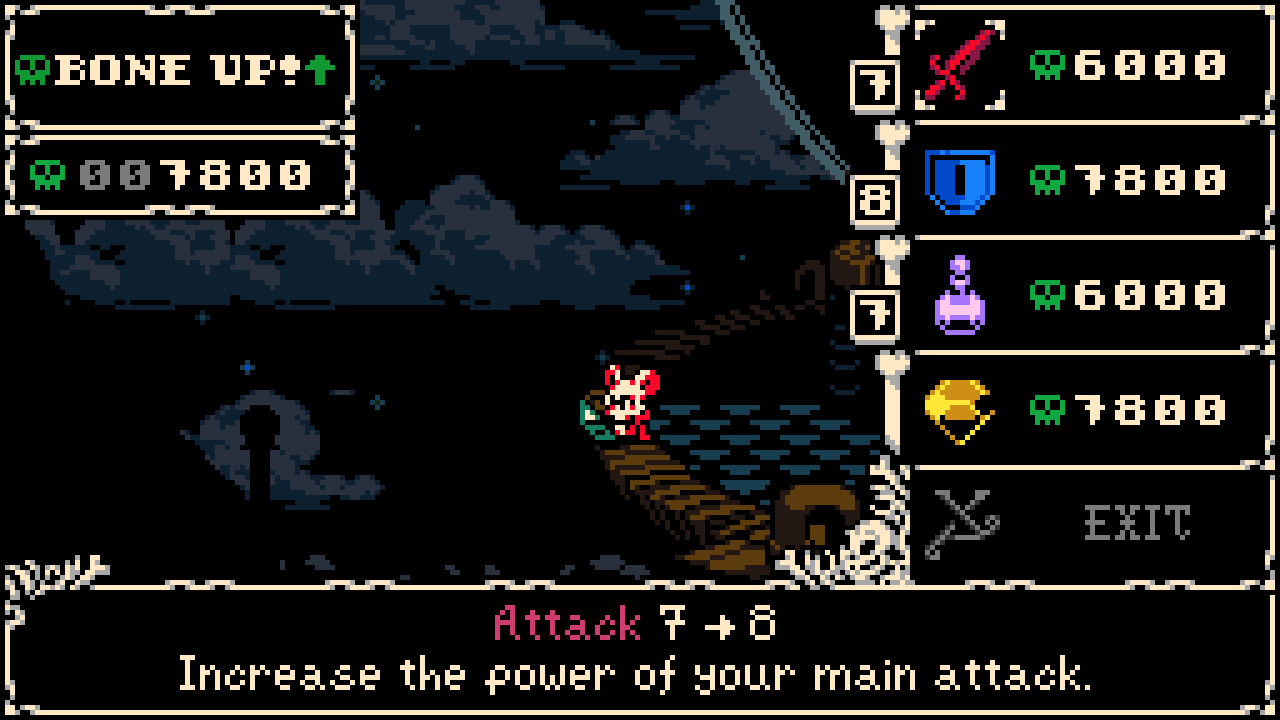
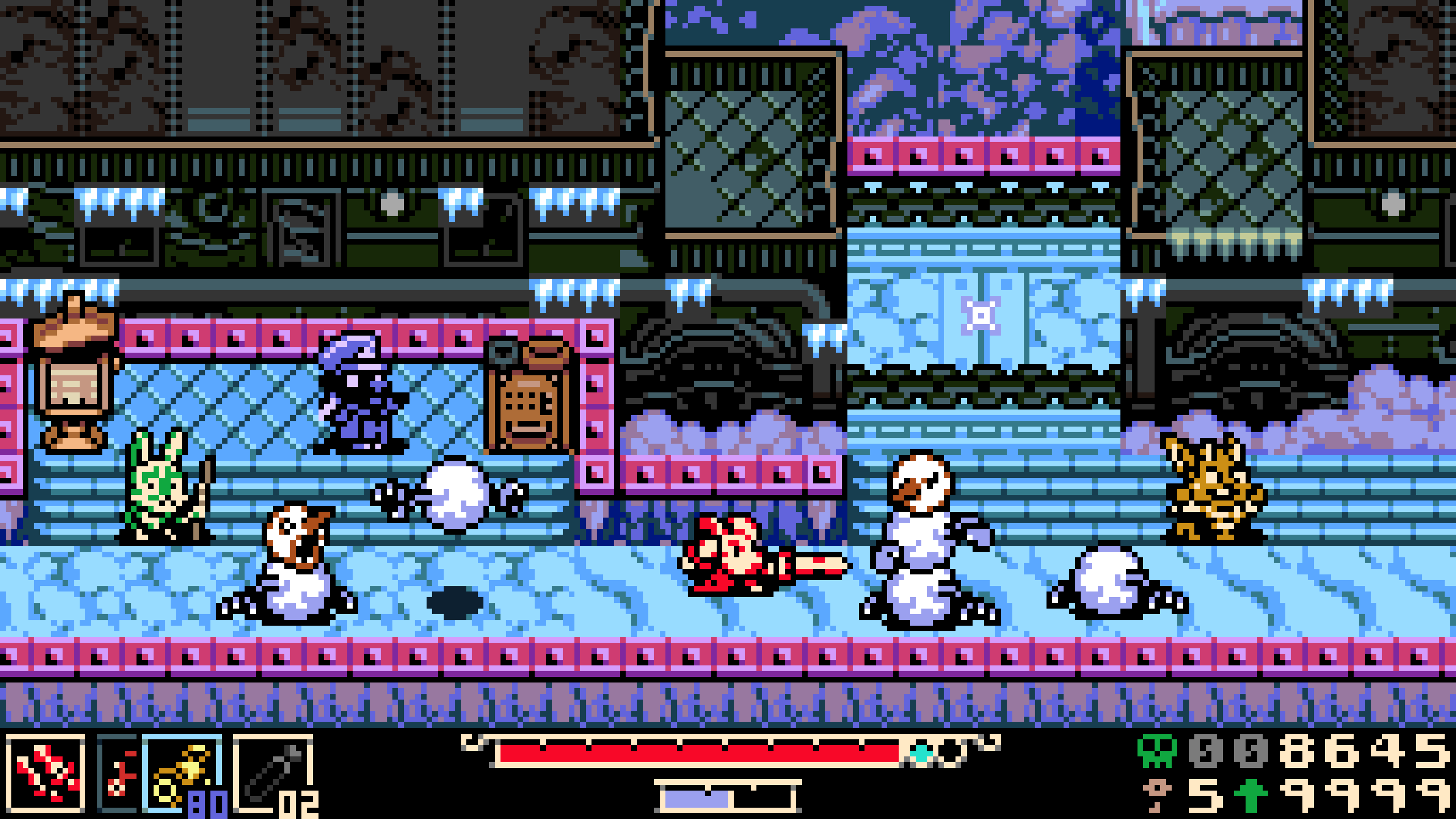
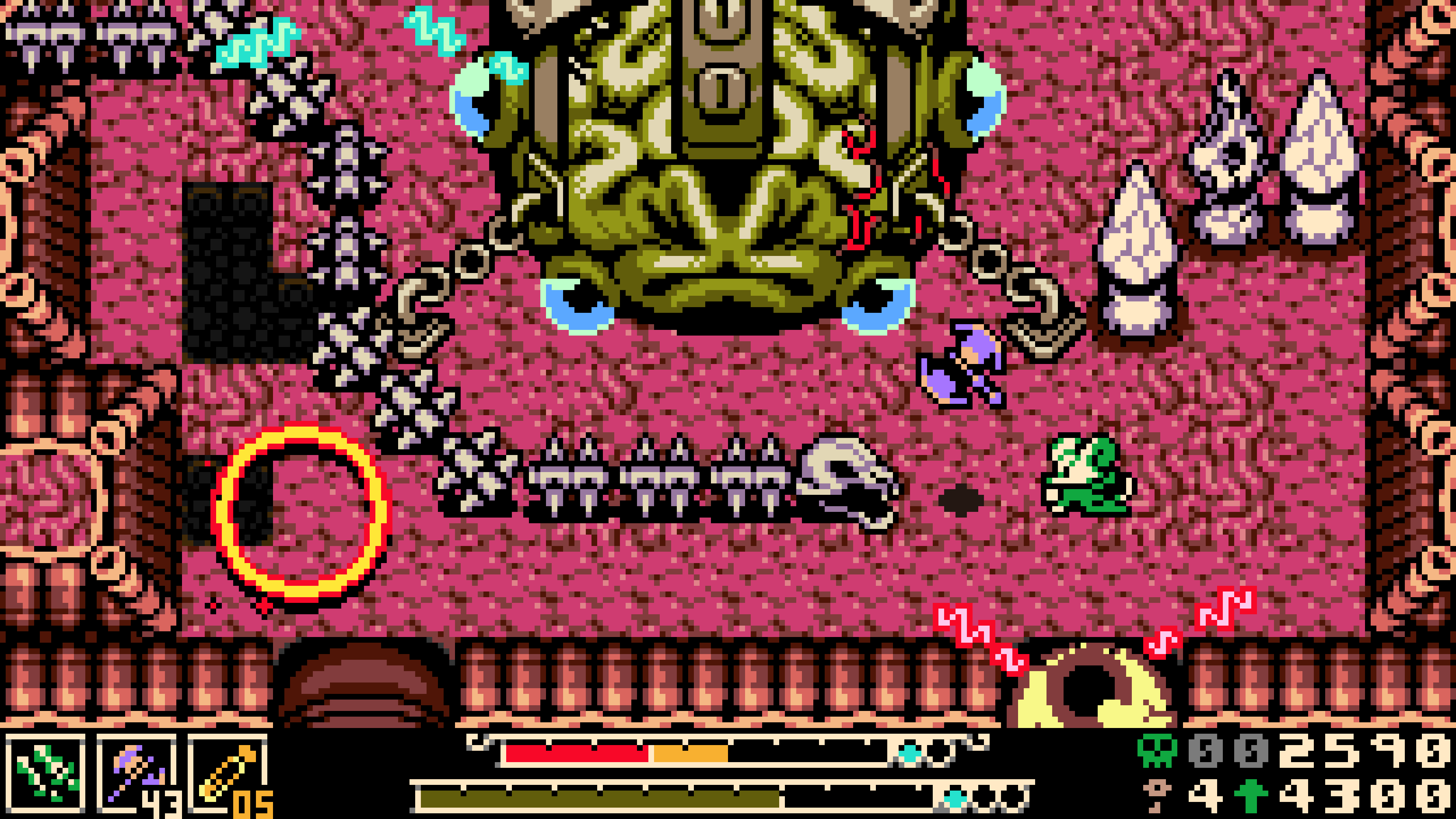
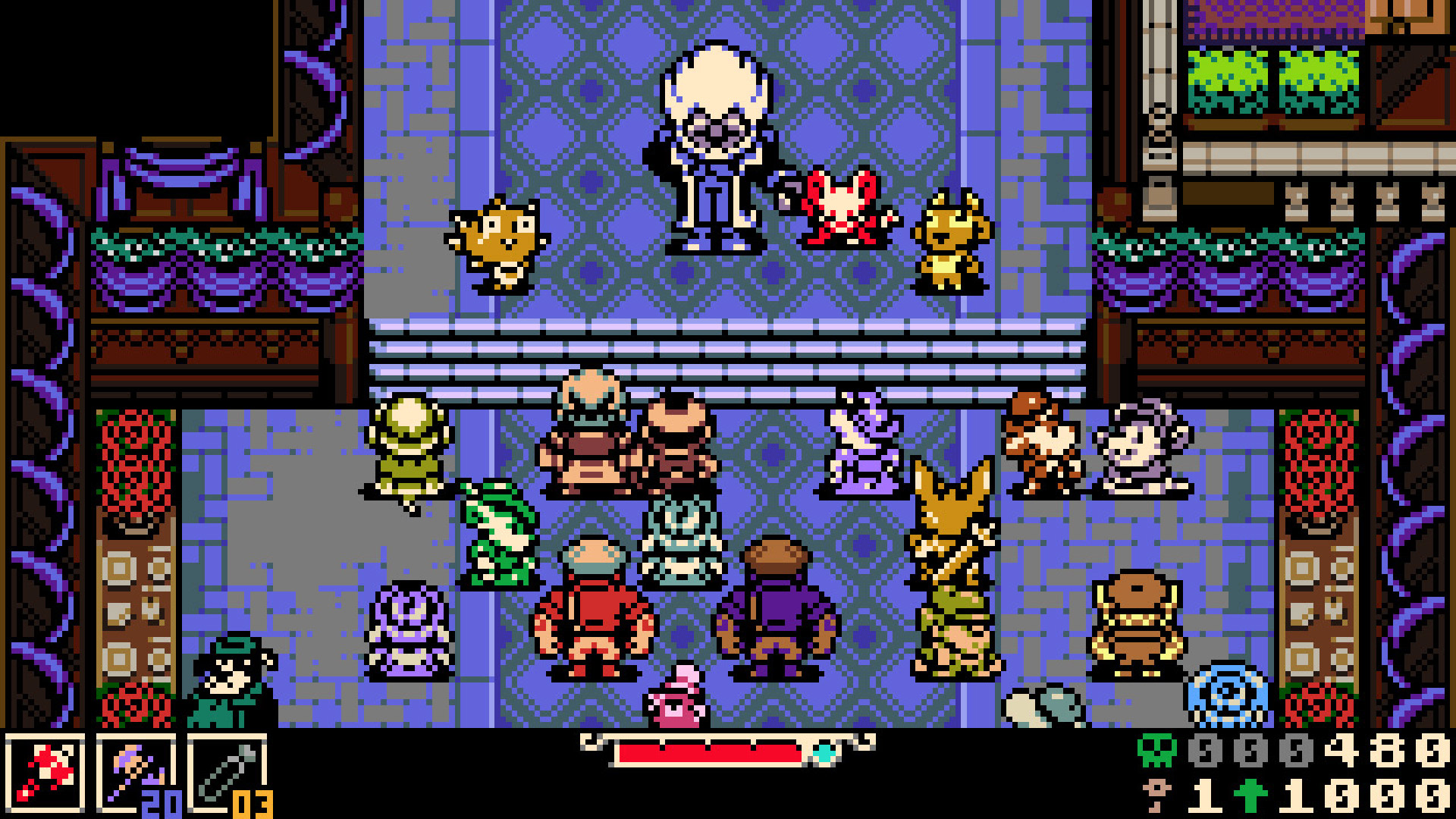
While combat and finding ways to get through environments are huge parts of Mina the Hollower’s gameplay, exploration feels incredibly import too. Taking time to talk to people is always fun, with the NPC dialogue being well-written and enhancing the world of Tenebrous Isle. The character portraits are great. Certain major players are interesting. I appreciated even seeing how they reacted and responded to Mina. Likewise, the freedom to explore and choose our path and design of the town and biomes is expertly handled. Everything is so detailed, and it felt like I always found new places to go that I could perhaps even reach whenever I liked (after completing certain story bits).
There’s an extraordinary level of depth here. Spoilers aside, it involves the kinds of opportunities to constantly revisit some places and return to Mina the Hollower. In some cases, it was because there was more I wanted to see and explore after certain events happened in the campaign. More importantly, the way Yacht Club Games handled the idea of a new game plus run here made the prospect of going back to see what else awaited felt even more enticing.
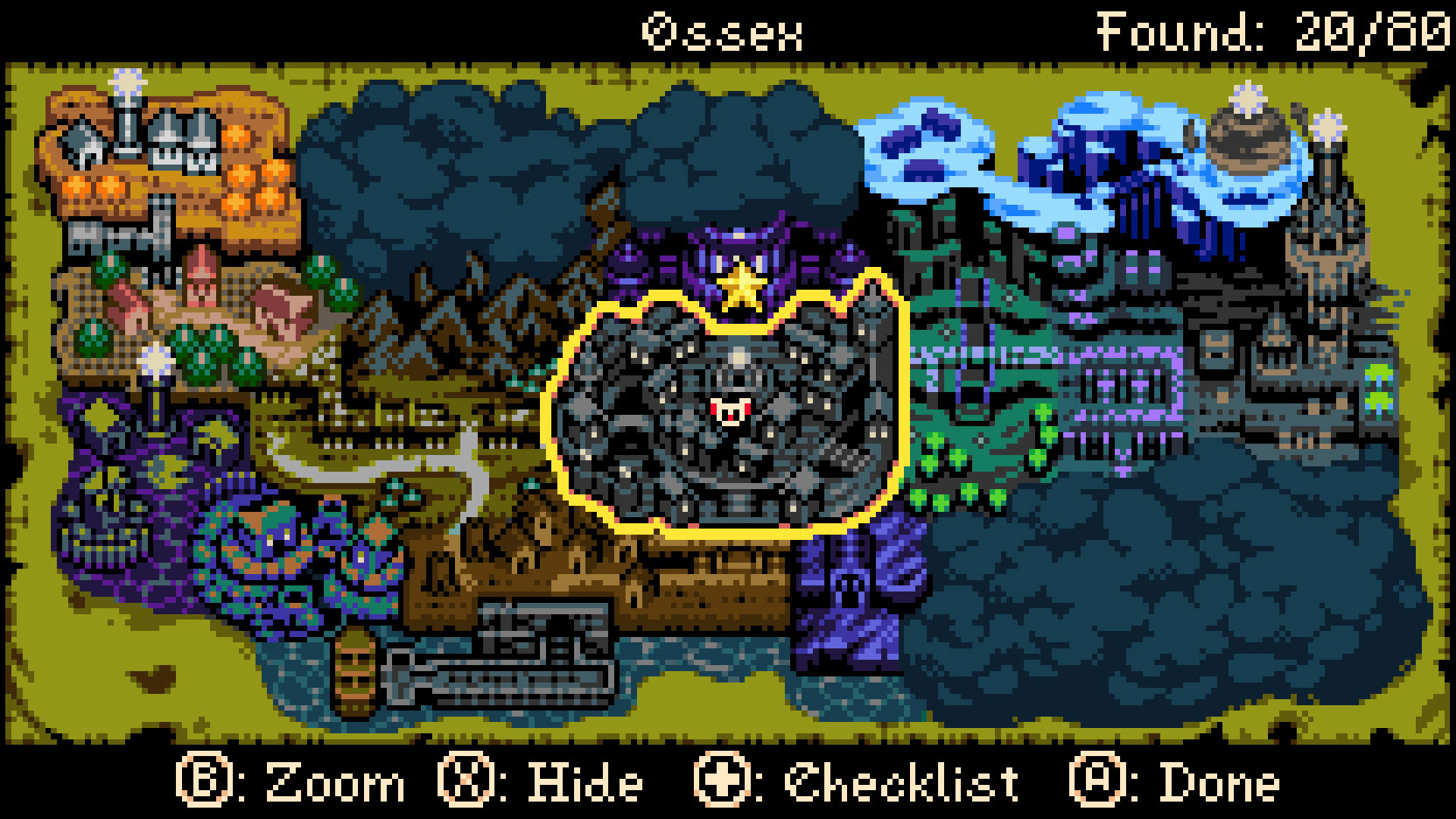
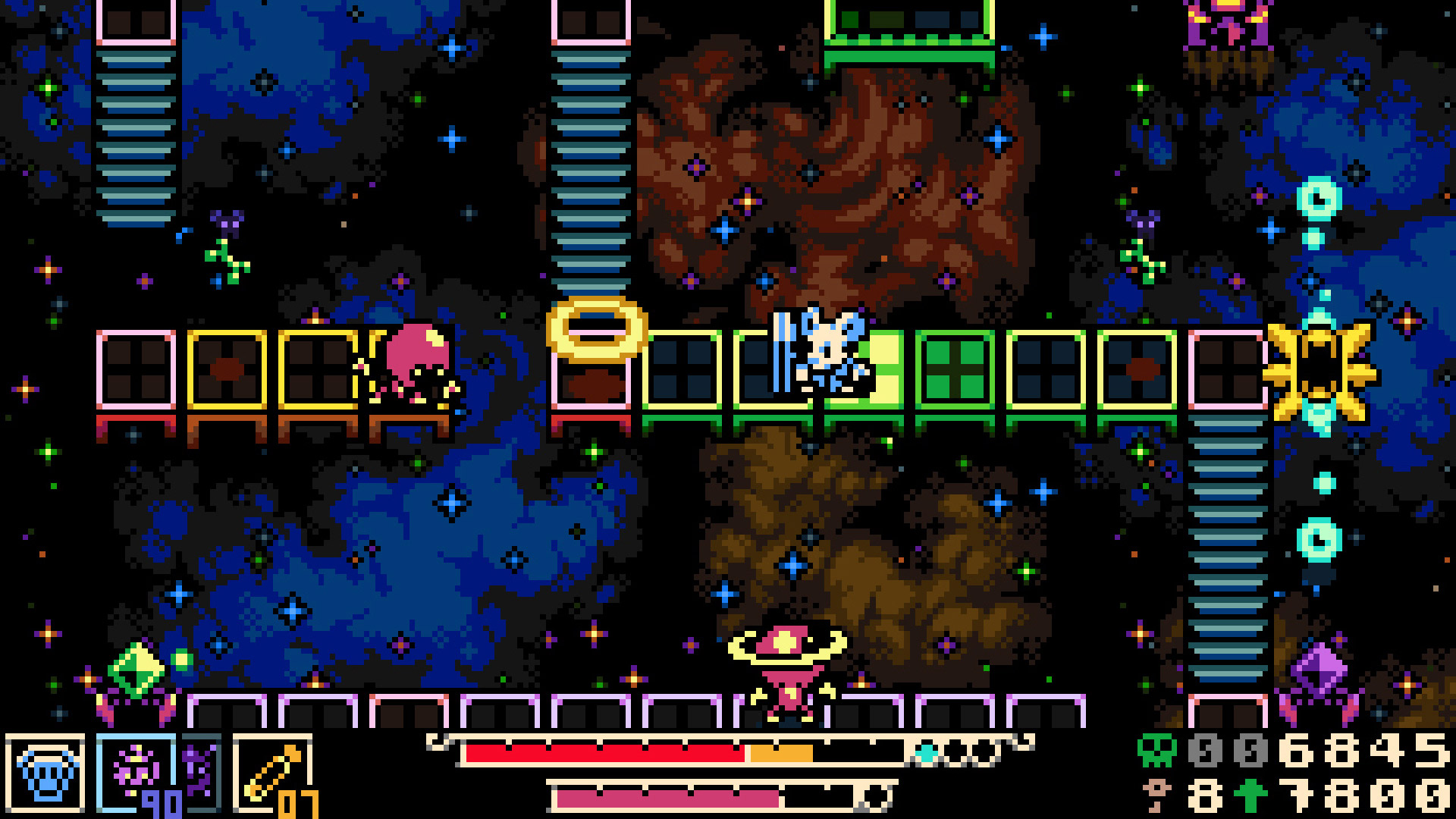
The modifier system, which also acts as a means of including accessibility options, also serves as a way to make a return inviting. Part of these optional adjustments serve to make things easier for folks who might be new to the genre or the particular kinds of challenge that can stem from the burrowing mechanics and big boss fights in enclosed spaces. jump height and floatiness adjustments, the ability to automatically jump when you hit a pit edge, options that negate pit damage and toggles that could make Mina invincible (or close to it) all skew toward easing the difficulty. However, there are also options that make things more challenging. You could remove the leveling up feature entirely, forcing yourself to get by with Mina as she is at the start, or even cut back on the number of hubs where you can take a pause or respawn after dying.
Mina the Hollower is a a robust game that is a joy to play and proves Shovel Knight wasn’t lightning in a bottle for Yacht Club Games. The story is interesting. The heroine is capable. The combat challenges a player and gradually builds up in its demands. The world is strewn with secrets. Best of all,
Mina the Hollower will come to the Switch, Switch 2, PS4, PS5, Xbox One, Xbox Series X, and PC on May 29, 2026.