


 By
By 
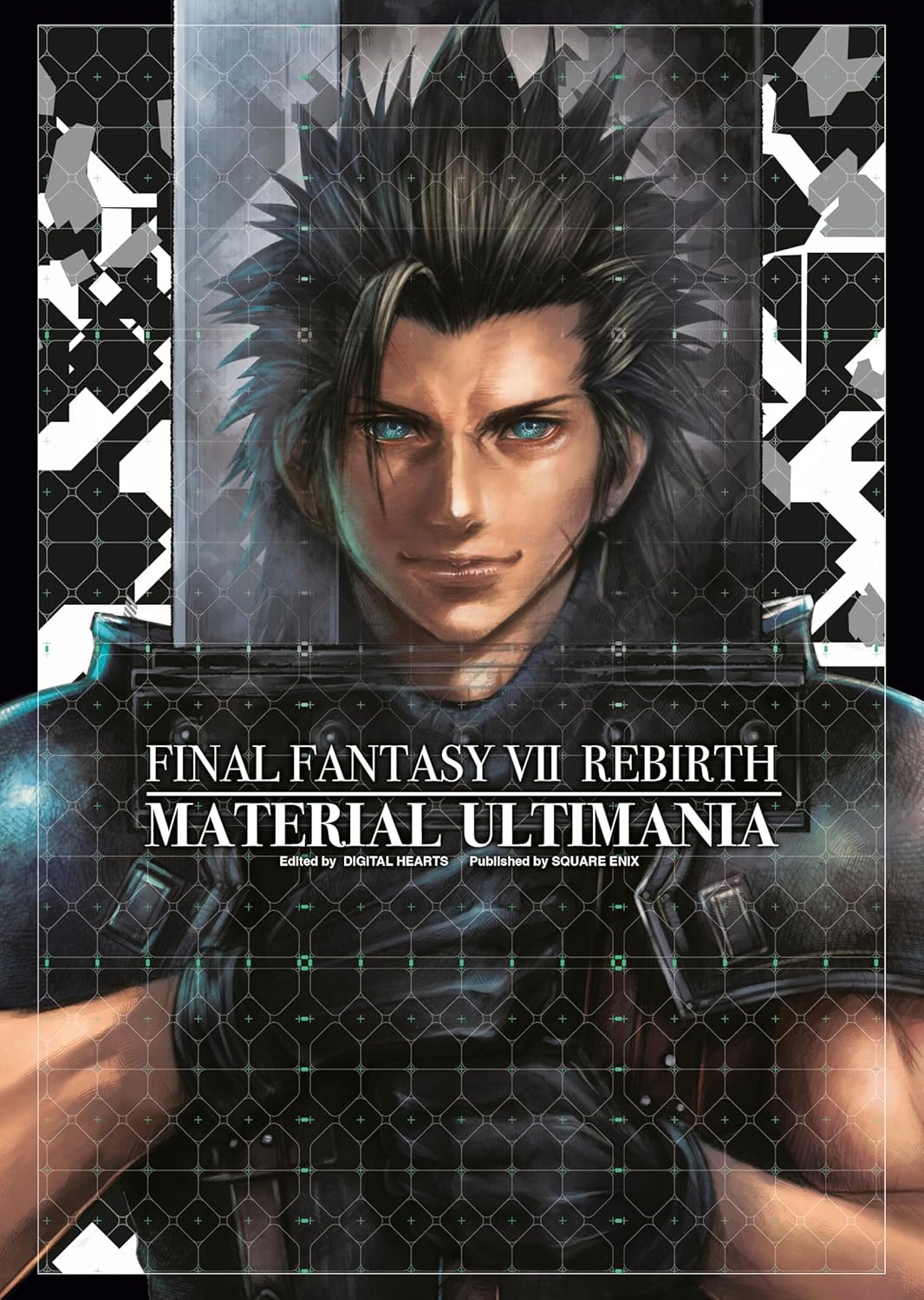
Following the release of various Square Enix Final Fantasy games, the company tends to release Ultimania books that are something of a mix between art books and encyclopedias. Every bit of important concept art is showcased. Members of the development team explain design decisions. They are ways to understand why each game’s characters, enemies, areas, and official promotional materials look the way they do. FFVII Rebirth: Material Ultimania is available now and yet another example of this extensive look behind-the-scenes of the game, though the book does prioritize elements of this entry from the Final Fantasy VII remake trilogy and doesn’t cover anything we already knew.
The structure of FFVII Rebirth: Material Ultimania follows the same sort of structure as other Final Fantasy books along this line. It can feel a bit like heading more into an encyclopedia than an art book, though there is key art, concept art, and commentary from the developers explaining the direction and design decisions on certain elements. It’s divided up into Key Visuals, Illustrations, and Planning Material sections, with those broken down further into more specific sections.
The key visuals section is interesting as it presents us with how things turned out and explanations that certain choices. This starts with the promotional art highlighting pivotal moments, as well as the recreations of the certain promotional moments from the original Final Fantasy VII in FFVII Rebirth. In the character model section for the main cast and certain supporting folks like Vincent Valentine, Cid Highwind, Elena, Cissnei, and Glenn, multiple comments come up going over choices for the models. With Cissnei, for example, Character Modeling Artist Ryota Katsuno suggested going for the same sort of quality on her design that would go into the major heroines like Tifa Lockhart and Aerith Gainsborough.
The Illustrations section of the book comes after and is my favorite since it is one of the two true “behind the scenes” area of FFVII Rebirth: Material Ultimania. It’s here that we really see the focus on characters, locations, items, and enemies from this installment. So the People of Shinra section will show Elena, Chadley, and Mai, but not Rude, Tseng, or Rufus. But for people who are here, there are a lot of details in addition to preliminary concept art. Using Cissnei as another example, her part in the Residents of the Gongaga Region section calls back to Crisis Core: FFVII by showing her with her shuriken and her original Turks uniform in addition to initial art of her new look. Even when there is only commentary from one member of the development team that’s only a sentence or two long, it feels like the insights here are valuable.
Likewise, the Planning Materials section is great for the same reason. It mainly consists of Cutscenes Storyboards and Enemy Reference Materials. These really do a fantastic job of highlighting progression and the aims of developers when setting up scenes, positioning, characters, and responses. It’s all intricate. So much so that I honestly wish there were more pages dedicated to this portion of the book so it was easier to see the details and commentary on the actual storyboards. Basically, you need a magnifying glass to make out everything. It’s worth it and clear if you do. I just wish it was a bit easier to parse.
But all things considered, Final Fantasy VII Rebirth Material Ultimania is a great supplemental book offering insights into the design process for the FFVII entry. Especially if you want to see more insight and concept art for the new supporting cast members, enemies, and locations. It’s quite fascinating! Just have a magnifying glass on hand for the storyboards section.
Final Fantasy VII Rebirth Material Ultimania is available now and the second entry in the FFVII remake trilogy is on the Switch 2, PS5, Xbox Series X, and PC.
We may earn a commission if you purchase from certain links. Learn more here.