


 By
By 
The question “What is the greatest video game of all time?” has so many answers that it’s hard to reach any lasting consensus. Still, to the extent that there has been any agreement on such weighty matters, Nintendo’s The Legend of Zelda: Ocarina of Time is among the most frequently-cited candidates. Nearly three decades after its initial release, it still sits at the top of Metacritic’s all-time best-reviewed games and tops many fan polls. A game with this much sustained enthusiasm behind it surely doesn’t need any remakes, yet it is mere weeks away from receiving its second re-do in the form of The Legend of Zelda: Ocarina of Time for the Nintendo Switch 2. Is there any point in this?
I believe if a game was ever good, it probably still is. Some tweaks and touches might be of value to take modern displays and technical standards into account, but usually if a game feels like it has aged poorly it’s more likely that it never had much sauce to it. Some games might have cumbersome or quirky design compared to more recent releases, but provided they were well-built around those concepts most players should be able to acclimate with a little bit of patience. With that said, those aspects can sometimes cause enough friction for players to give up on playing older games. Mechanics such as tank controls or limited lives may have once dominated mainstream gaming, but now turn many off unless they’re specifically seeking that flavor.
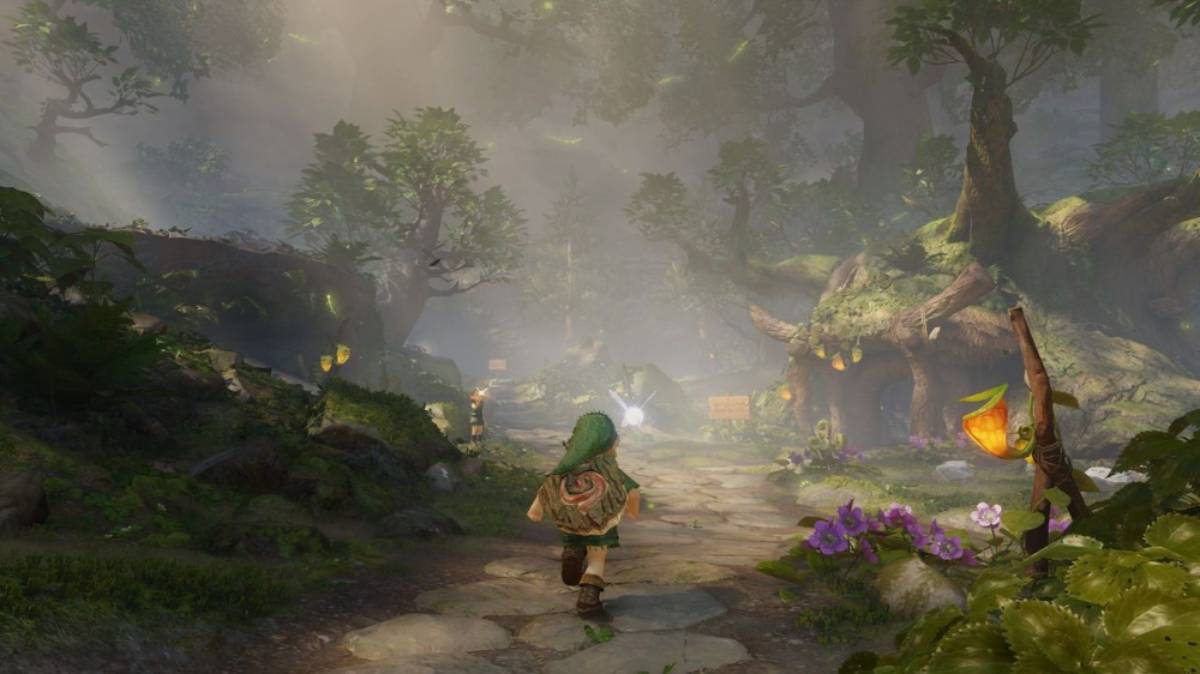
The original release of The Legend of Zelda: Ocarina of Time has a few eccentricities owing to its place in time, such as the lack of a jump button in favor of Link automatically leaping when running off an edge. The game is designed around this mechanic, as it never asks you to jump over anything without a ledge in front of it. It’s relatively rare for the player to be asked to make anything other than a direct jump from one straight edge to another. Nevertheless, it probably feels very strange for those who were introduced to The Legend of Zelda via games with a dedicated jump button like Breath of the Wild. Statistically speaking, that’s a lot of people.
Is anyone going to bounce off of the original The Legend of Zelda: Ocarina of Time just because the jumping mechanic feels odd? Realistically, probably not. It is however one of many little things that could collectively have someone give up on a game that in most respects is still outstanding. Many will focus on the presentation, and understandably so. Early polygonal graphics are going to wow modern players in a very different way from how they did for those of us who dug into these games back in the day, and neither the texture resolution nor framerate of Ocarina of Time on Nintendo 64 are easy on the eyes these days. These are sensible, obvious things for a remake to address. I think that it’s the little mechanical tweaks that really make the difference for newcomers, though.
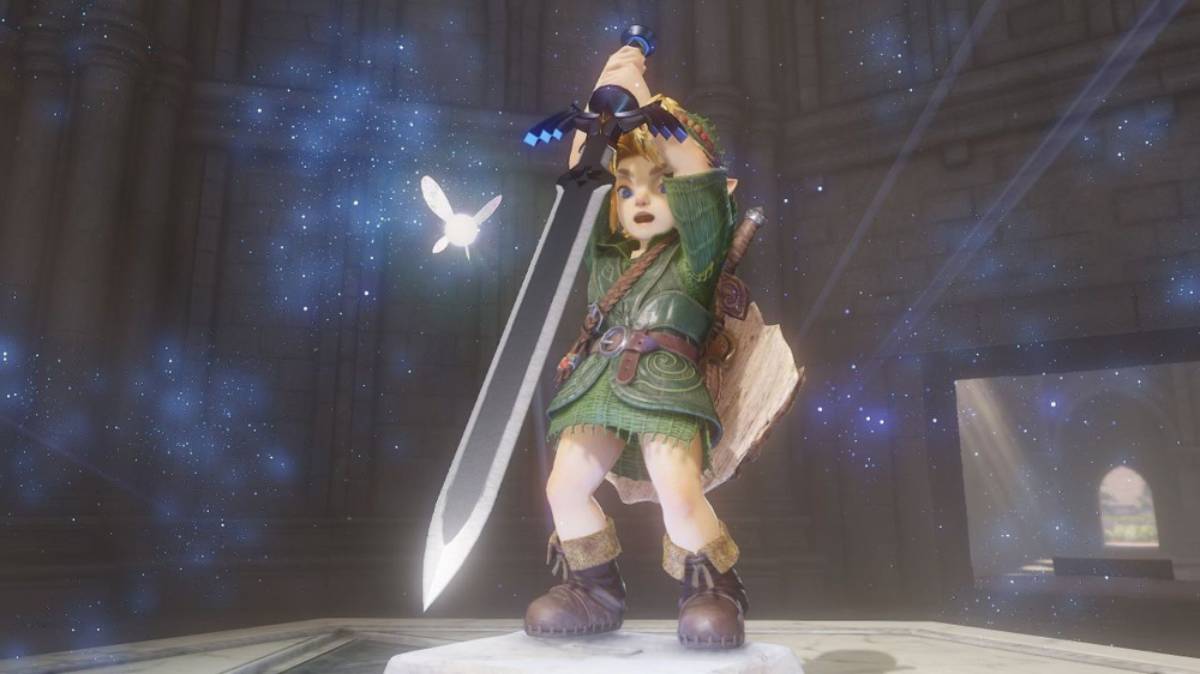
While a game as good as The Legend of Zelda: Ocarina of Time can still stand on its own blocky feet, a remake has the opportunity to dazzle a whole new generation by taking that excellent core and wrapping it up in a more palatable package. Whether that be via jarringly-detailed tunics, jump buttons, voice acting, or any other change, if it means that one more kid can feel the triumph of that epic final battle then the Ocarina remake will have earned its keep. Needed? Hard to say. Welcome? Certainly.
The Legend of Zelda: Ocarina of Time will be available on the Switch 2 on November 5th, 2026.
