


 By
By 
Kernal Hearts is a roguelike action-RPG with a message about war and bosses that like to hit you with both melee attacks and bullet patterns. Oh, and it’s a post-apocalyptic world with a Tower of Babel to climb and angels to fight. With young women androids who rely on the recorded memories and personalities of former living weapons. It’s very NieR and NieR: Automata coded for sure. But while there are some interesting elements, I also sometimes feel like things such as the dodging mechanic, camera, and even need to level up at specific shrine spots on a map get in the way of it being great. Instead, it’s something novel, which is fine in its own way.
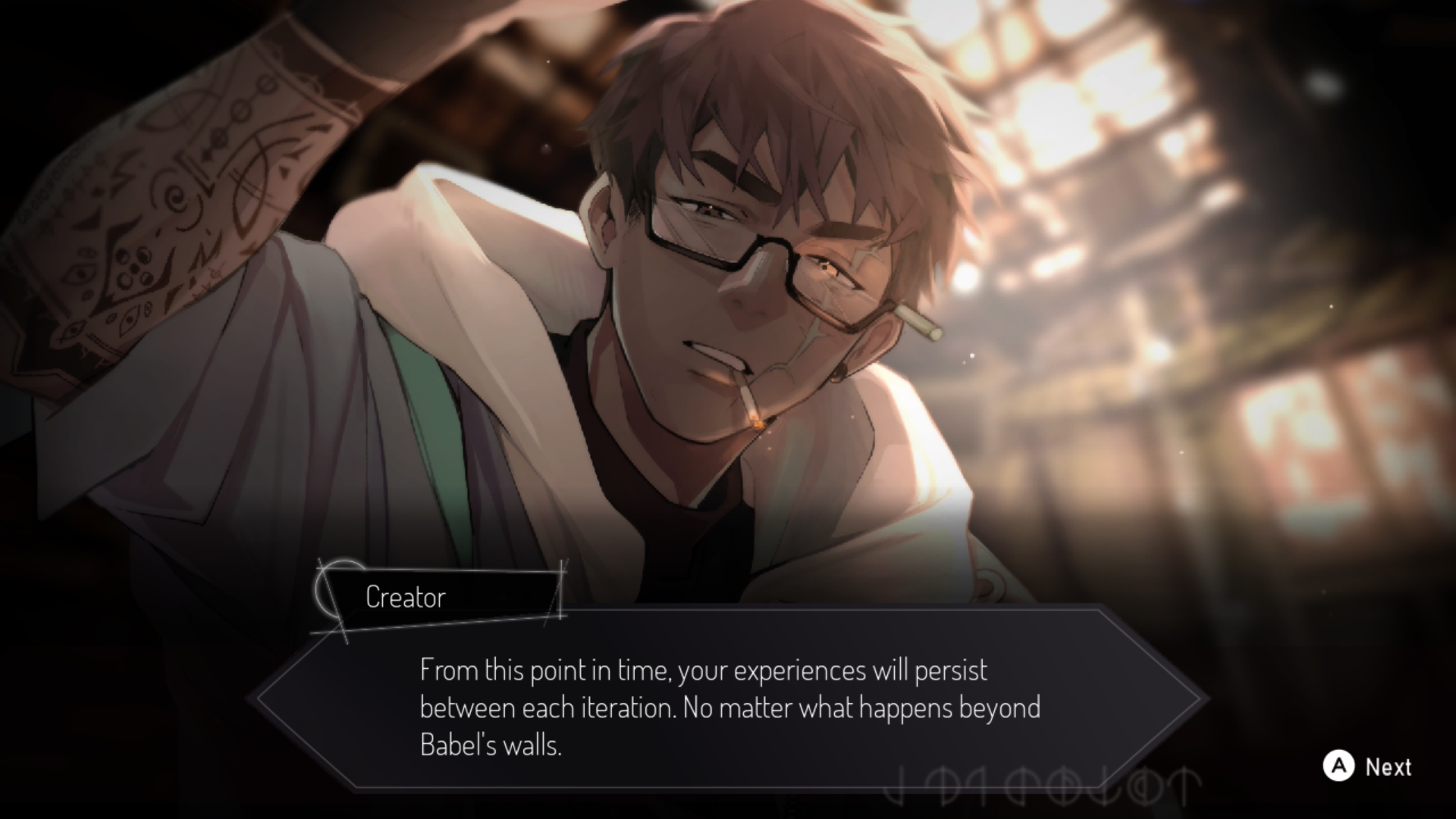
Kernal Hearts takes place in an alternate timeline where a Russian astronaut’s child after the trip to space developed unknown, inexplicable abilities. Humans, being what they are, decided to turn what would perhaps be considered a “magical girl” into a weapon of war. This meant tons of young women treated as tools, forced to fight, with only some of them being “honored” by having their memories saved as data. Naturally, an apocalypse occurred. In the years since, a flash of light in the sky led to a Tower of Babel appearing. Our story begins with an engineer who refers to himself as The Creator waking up the M.A.H.O.U. unit Fernet to continue her fight to reach the top of the tower, this time promising his new technological advancement means she’ll no longer lose her memories each time she falls in battle. And so she, and eventually her allies Dolce, Laika, and Spika, head out in search of answers and and further fights.
While I do think the story of Kernal Hearts could have been told a bit better, it’s an inspired take on the magical girl genre. People get a taste of power and advancement. Instead of using it for good, militaries start recruiting girls or women at risk and with no other alternative. They put them through testing. Turn them into M.A.H.O.U. units. Treat them as less than human, so the only people these individuals have are each other (or maybe a pet or actually sympathetic friend). Their reward? The best performers get their “soul” preserved. And now that the world sorta ended and the tower showed up, they’re relying on them again. But because at least they can remember things and have this squad of the four of them now, at least they have each other. (Spika and Laika’s stories especially broke my heart.) I appreciate the idea, even if the execution isn’t always perfect and I felt like there could have been even more storytelling and world-building.
That could honestly be my motto for this entire Kernal Hearts review. It’s a standard action-RPG with roguelike elements that involves chaining together combo attacks, using Skills to attack, finding Mementos passives from fallen magical girls when using souls on their caskets, getting Relics, and applying Chips to your mechanical body ahead of a run. It’s generally fine, but some characters are more fun to use than others (Laika and Spika in particular) and I felt like dodging could get a bit finicky. Especially since the camera is a bit weird and won’t center behind your protagonist when you lock on to an opponent, which means you need to constantly adjust when you’re frantically focused on other attacks. Pair that with the awkward dodges, and it can get distracting.
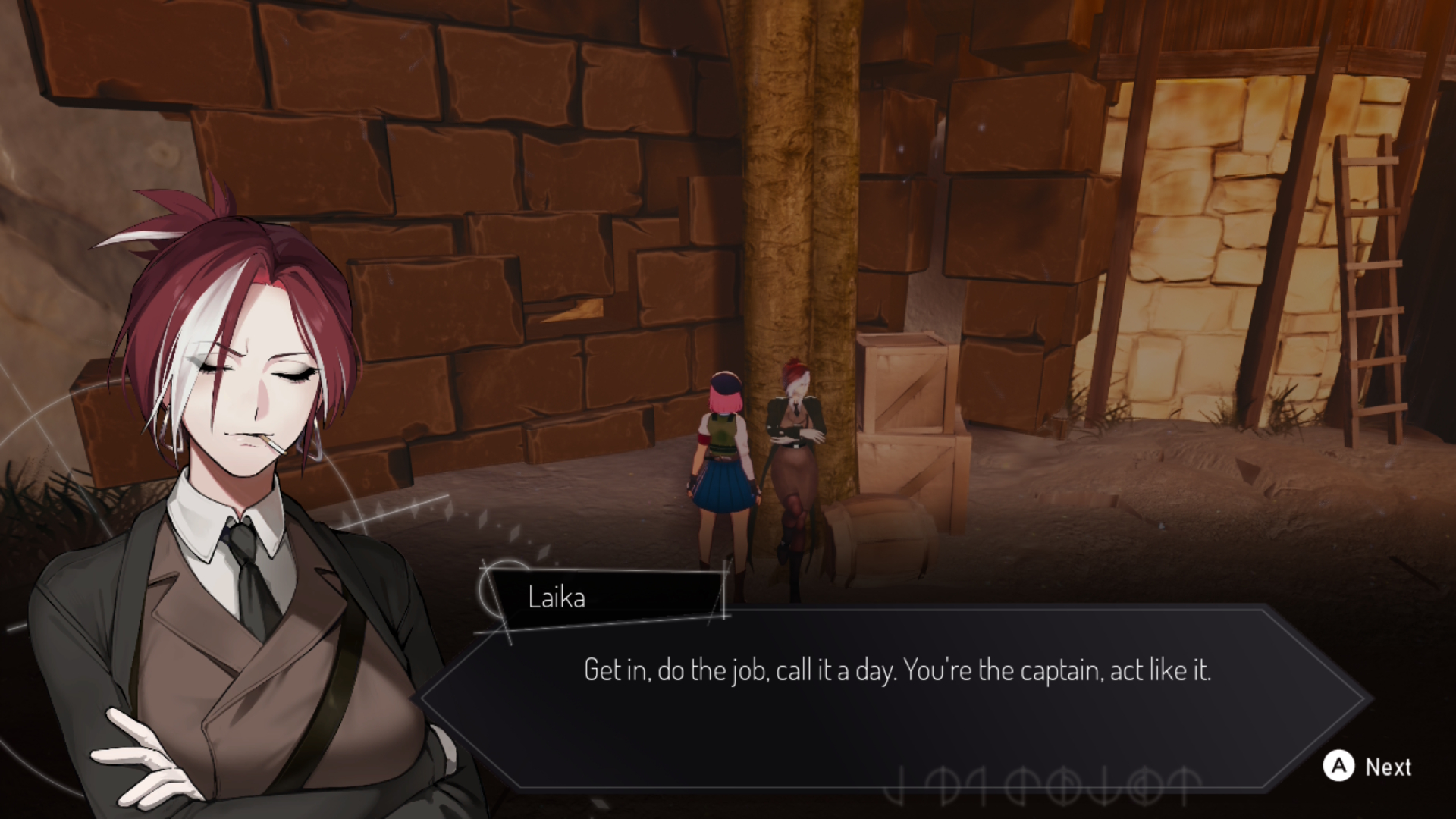
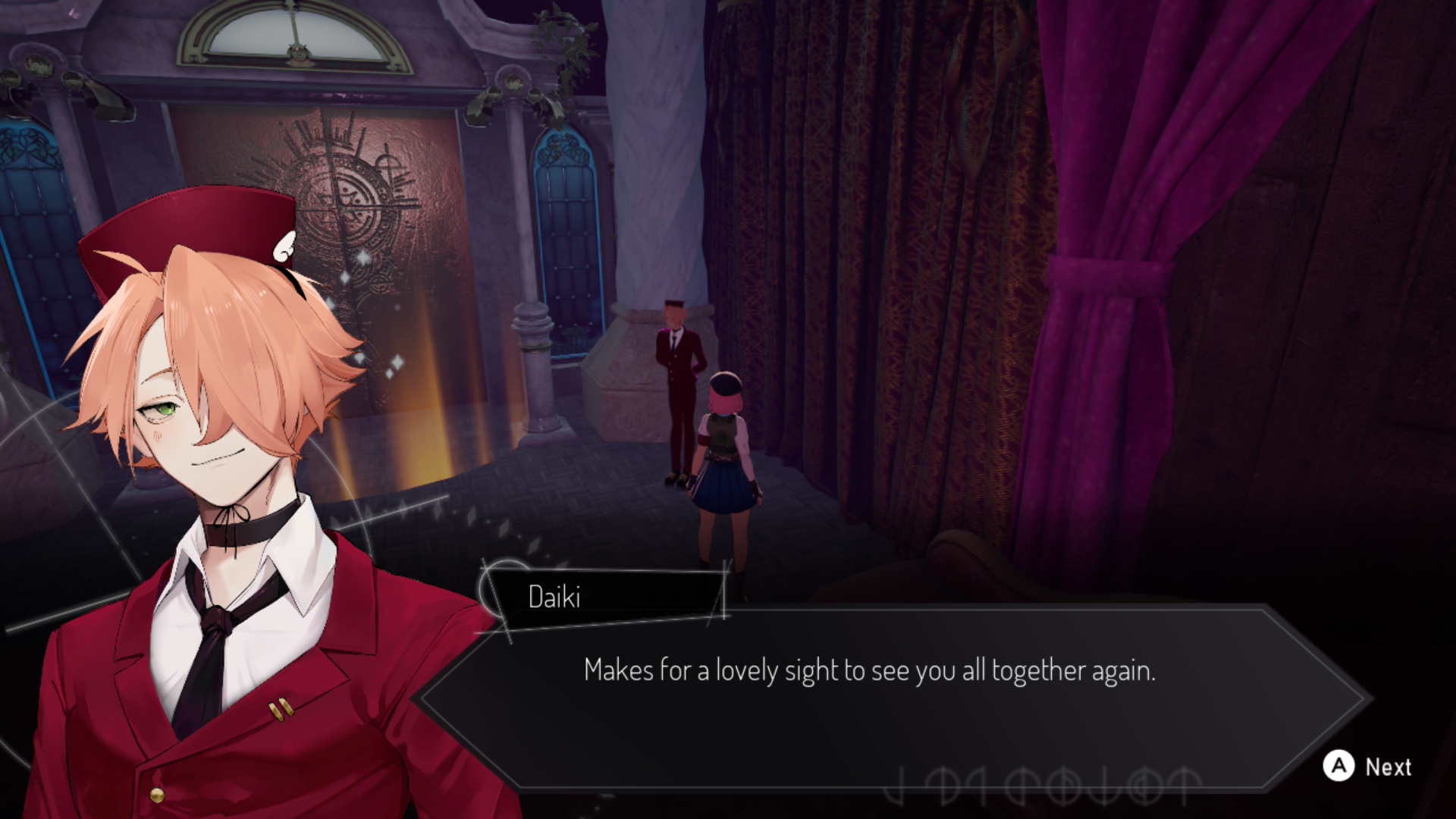

It applies to some design choices when exploring the tower or town too. The imagery, environments, and enemy design in Kernal Hearts, as well as character design for M.A.H.O.U. and remaining allies, look great! However, the generic enemies can be a bit bland, and all opponents tend to have an abundance of HP even on the normal difficulty level. Areas can feel too big and open, especially when given the timer that can cause you to immediately fail when it runs out. The idea of getting to the coffins of the fallen and fighting off angels until you can claim a boon is good! I even appreciate the idea of sin accumulating as a countdown to getting the boot. But that timer almost feels like an artificial layer of additional difficulty.
I think the element that annoyed me most is the way leveling up is handled. You can only level up if you get enough of the pink souls via platforming to reach them or defeating enemies. Except it isn’t automatic. You then also need to find a shrine in a level to do so.
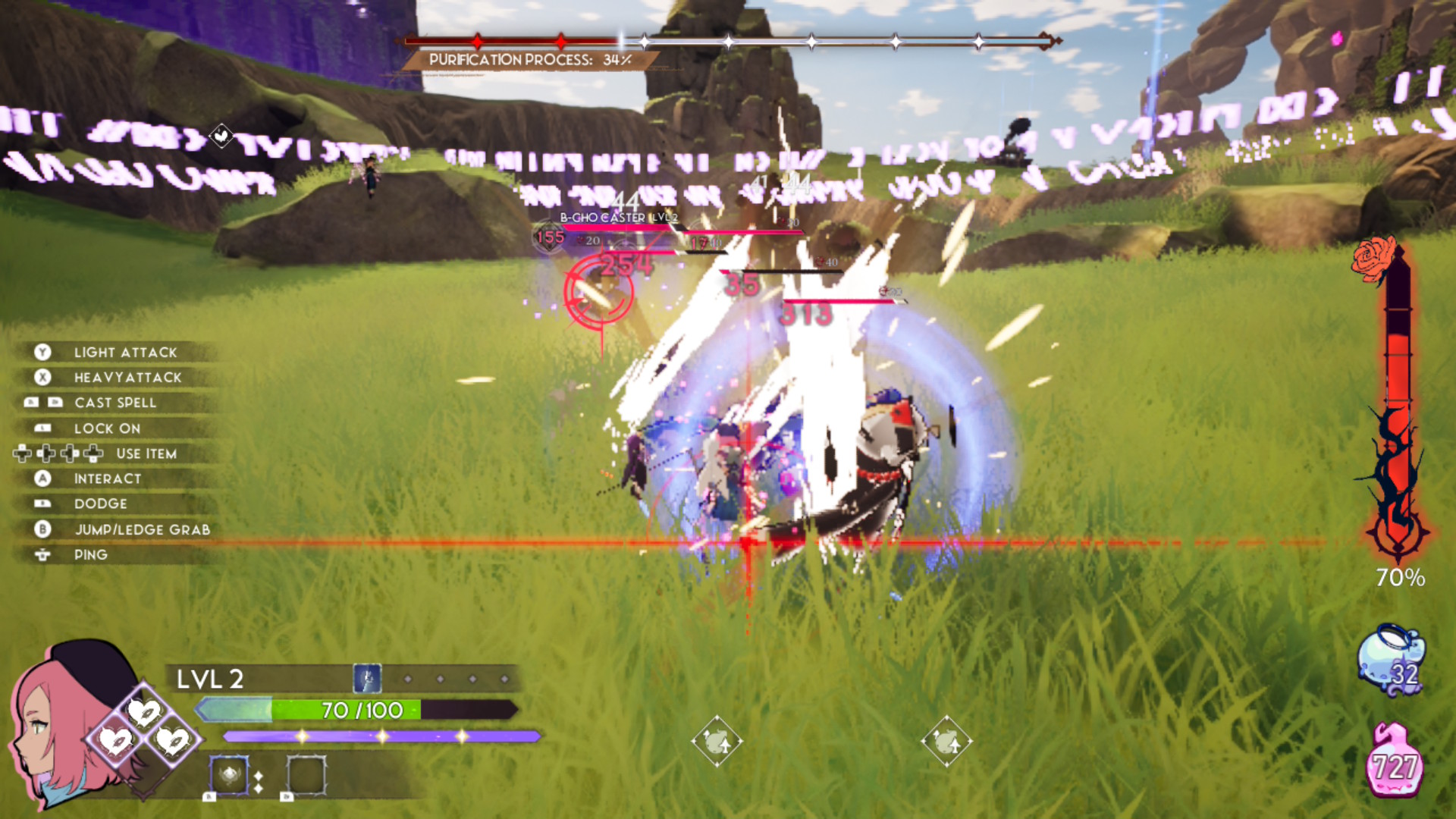
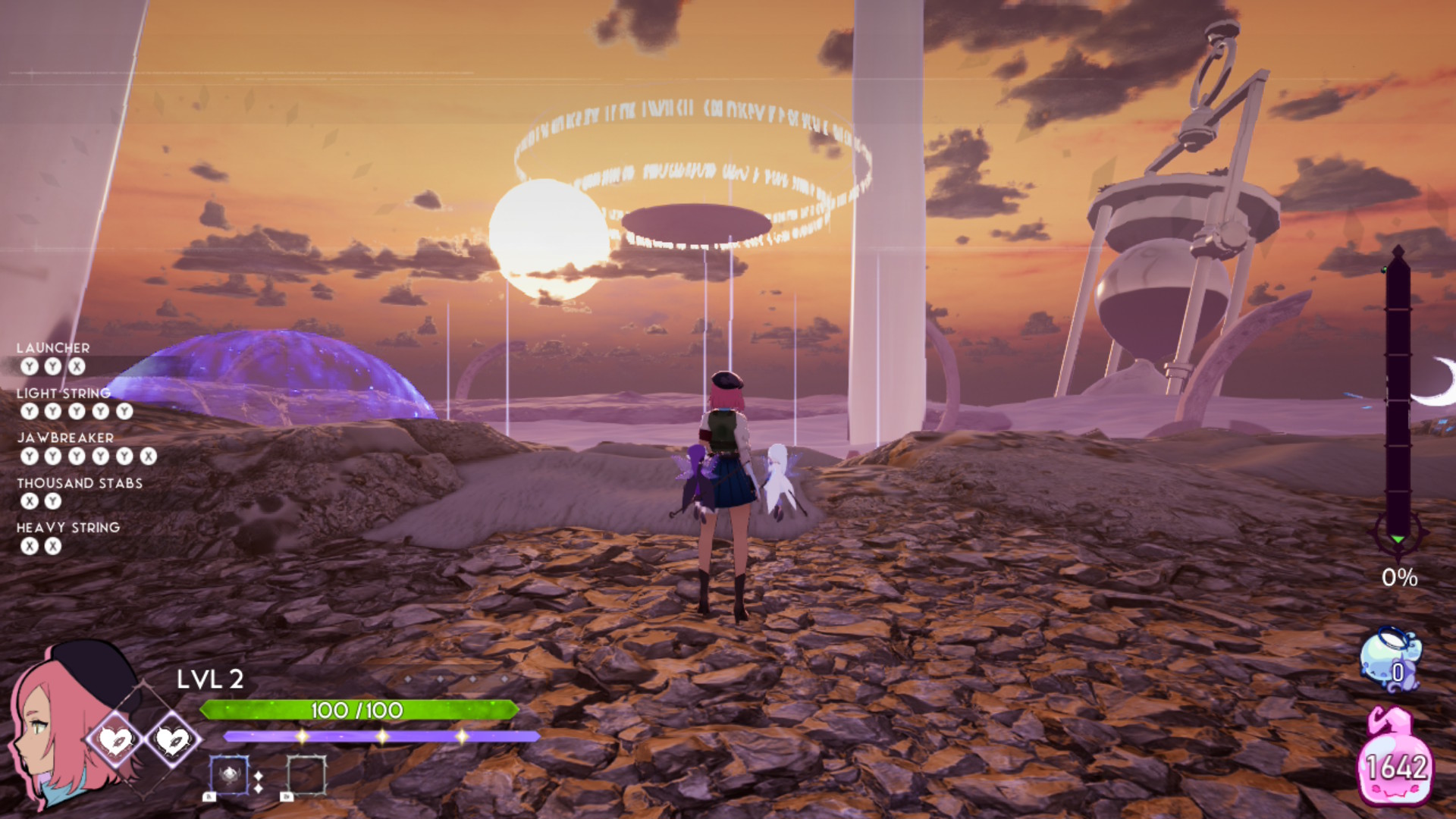
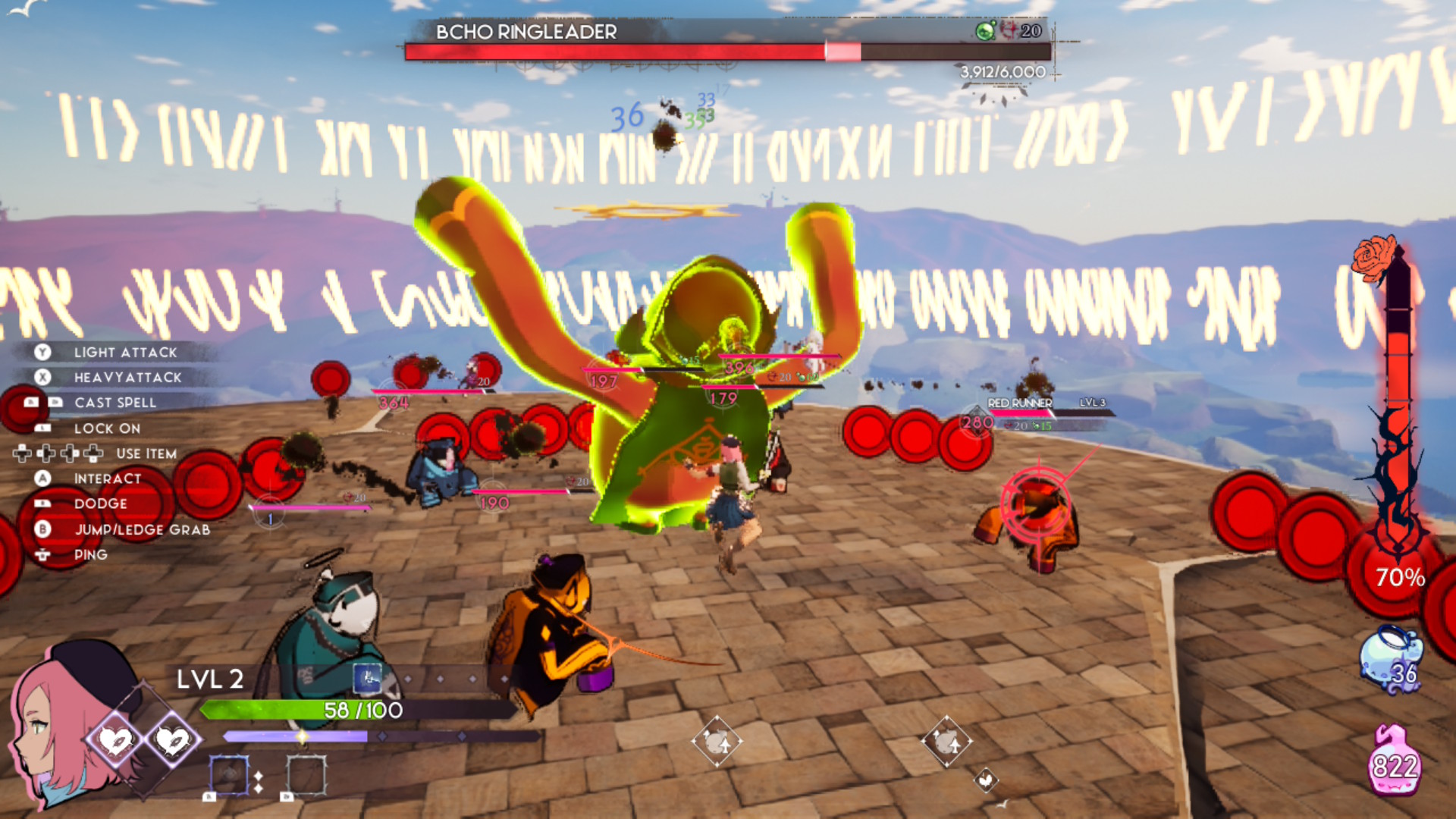
The thing is, I ended up dropping down to the easy difficulty and enjoyed Kernal Hearts a lot more. When you can focus on the story being told and take in the level exploration while not being as afraid of that ever-present timer, it ends up being a lot more fun. And if you manage to get other people to play with you, even if it is just one more person, that’s better still. It almost makes me suspect that maybe the other difficulty levels are more skewed with the idea of not going alone, and perhaps issues with the timer and enemy HP reservoirs on the standard and hardest difficulty are meant to account for that.
The story and concept behind Kernal Hearts can feel inspired, but the actual gameplay could use some adjustments. I appreciate the lore in place for the M.A.H.O.U. units and felt like I was rooting for these heroines. Some of the environmental details and backstory get clever. But the actual combat can feel a bit average, especially since it doesn’t feature some standard quality of life features like lock-on camera effects and occasionally odd design choices. I feel like the message it conveys makes it worth playing, even if it isn’t perfect, but it’s probably at its best if you try to go through it with other people.
Kernal Hearts is available for the Switch 2, PS5, Xbox Series X, and PC.