


 By
By 
I wish Qliphah in Providence’s Shadow was just a visual novel. There are some great, Lovecraftian ideas here! The story goes places! But no, Arc System Works and UnitePlus instead shoved a battle system that actively works against you in so many ways into it. The result is something that tosses an often frustrating fight at you just when things might otherwise be getting interesting.
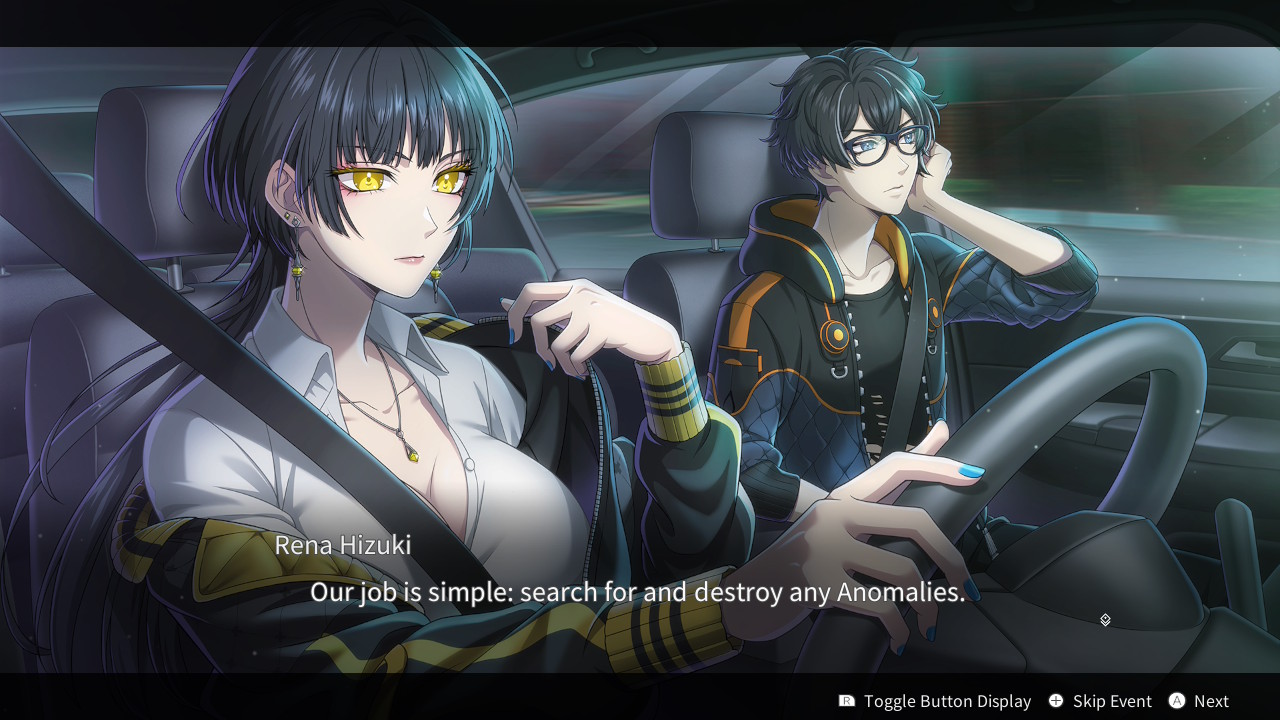
Japan is in a state of total collapse as otherworldly events and anomalies are hitting cities across the country. In Tokyo, the most notable is a Shibuya incident, with Public Safety Mutation Response Division officer Rena Hizuki investigating how the situation is linked to a drug called Tiny True. In the midst of a case, she happens upon a survivor of one of these situations, a young man named Soma Hoshigami who got caught up while performing an Uber Eats-style Uniber delivery. As he’s now a hybrid with a powerful Sigil, he’s considered an Anomaly and classified as dead. He’s now in the department’s care as they wait to see if he’ll turn and lose his sense of self and assigned to Rena’s watch to work alongside her. From here, we watch as the two complete cases and fight enemies while preventing Oracle-predicted collapses, trying to learn more about Tiny True and how Soma got to this state without taking it.
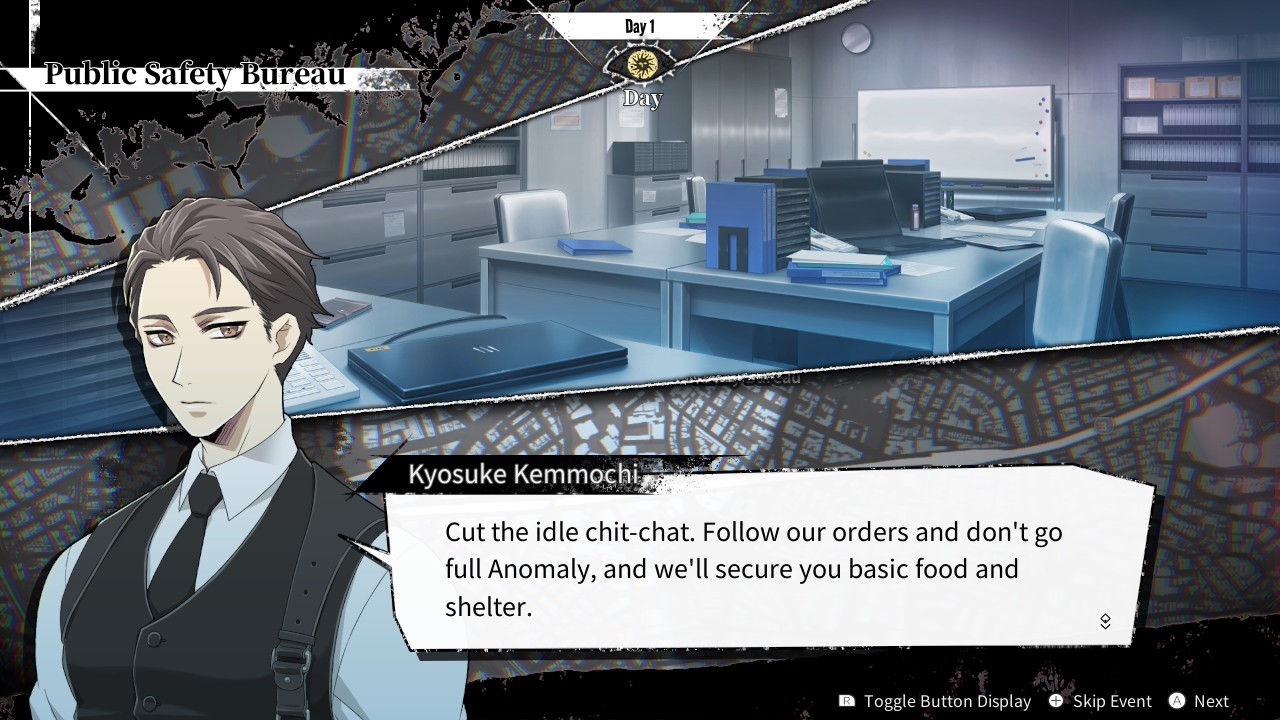
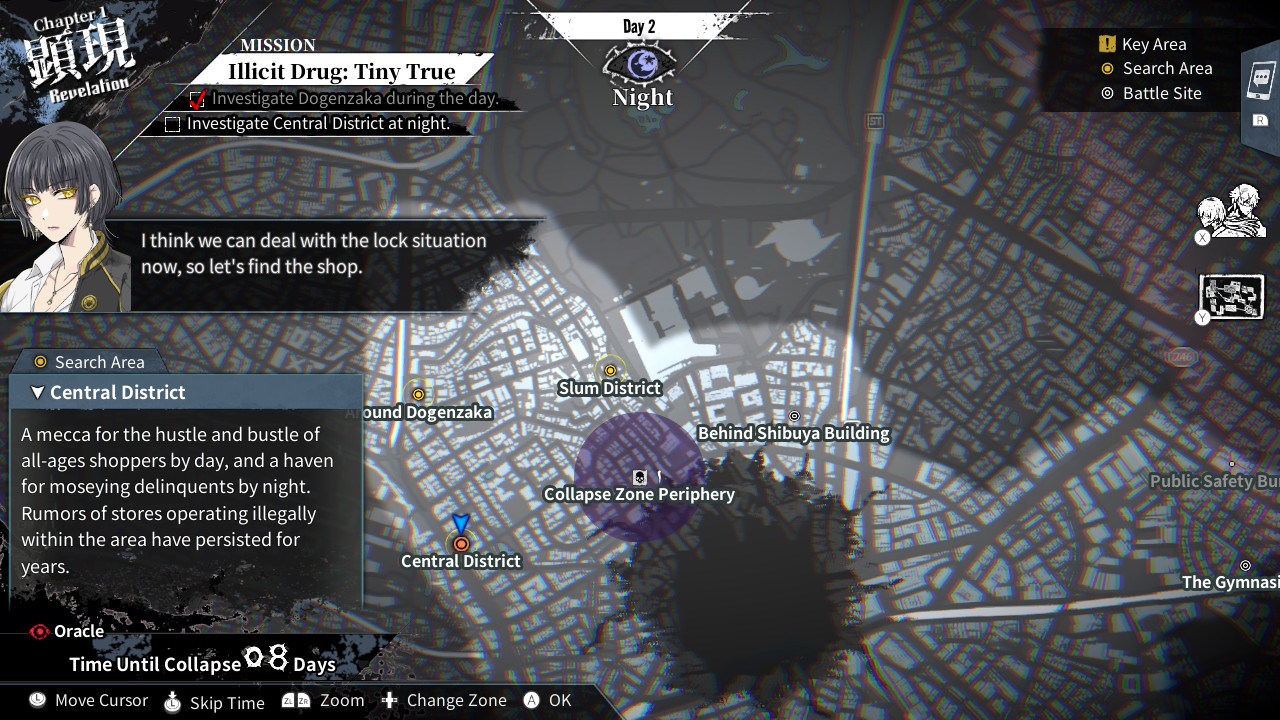
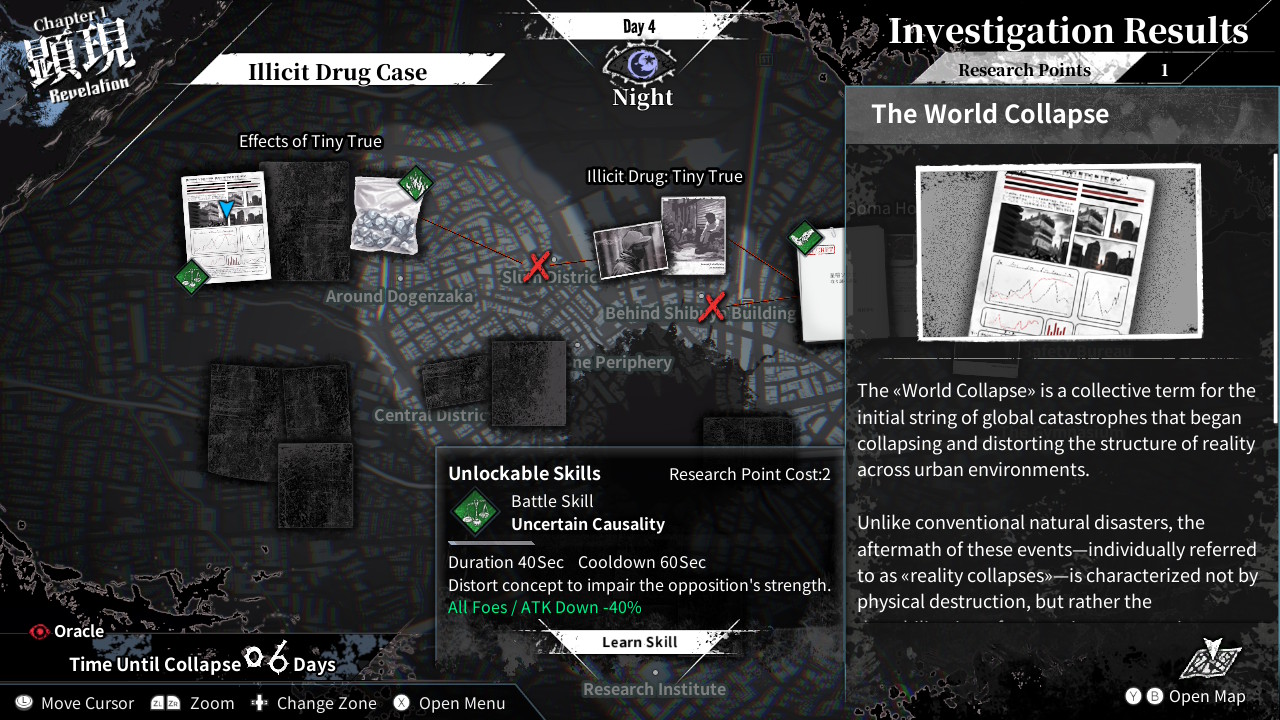
Qliphah in Providence’s Shadow’s story can get interesting, with a Lovecraftian feel, even if sometimes it feels like the execution and choices mean some elements are dry or hidden in optional readings. (I wonder if this being a straightforward visual novel might have fixed that? Perhaps it would have resulted in a better localization? I digress.) Investigations can task you with visiting certain places during day and night periods. A lot of lore and background comes up as tidbits when acquiring skills via the clues board, which I like in theory. In practice, the information dumps are dry and a bit repetitive. Without getting into spoilers, I will say I was only able to get what seemed to be the most basic ending and felt it fell flat.
Progression in Qliphah in Providence’s Shadow follows a typical routine. At the upper right corner of your screen, you’ll see your current mission objectives, and at the bottom left is the Oracle warning you how long you have before a World Collapse situation if you don’t deal with situations tied to Anomalies. The board can be consulted to spend Research Points to unlock active and passive skills, as well as see lore about the situation. You need to go to the right nodes on the city map at the right times to advance the story, with said visits triggering visual novel segments that let you read about Rena and Soma’s current situation.
Occasionally, a battle comes up! This can happen at designated Battle Site spots and during Key Area story events. You’ll typically get some sort of level warning about this, providing opportunities to grind and get people up to a level. The combat system is… unusual! It’s an active-time system that prioritizes countering enemy attacks rather than taking the initiative to perform assaults on your own. As a result of Rena’s abilities, we can basically predict what sort of attack opponents will use. This will be shown as two colored bars gradually moving to meet in the center. The goal is to respond with the same attack the two characters have tied to it to counter, swapping characters as needed or dodging if cooldowns make that impossible. It is possible to pause during these encounters, to better plot out a response, and we can bring up a Sub Palette with additional capabilities. Even handier is when you chain successful attacks and moves together
Here’s the thing. There is a tutorial. We get tutorial fights. I still found there’s quite a learning curve to Qliphah in Providence’s Shadow. Likewise, the style and design also gets in the way. A player is bombarded with information about attacks and numbers, and there are different kinds of status effects that get lost in the shuffle. You’re also only getting information from the character you control at that moment and enemy you are targeting, which means in situations with multiple opponents you can be susceptible. It makes any encounter with more than one foe a little irritating. On top of that, the generic enemies don’t stand out and fights end up feeling repetitive since it comes down to waiting for the right colors. And Qliphah in Providence’s Shadow will make you wait, as it will automatically slow down fights if you aren’t constantly inputting actions.
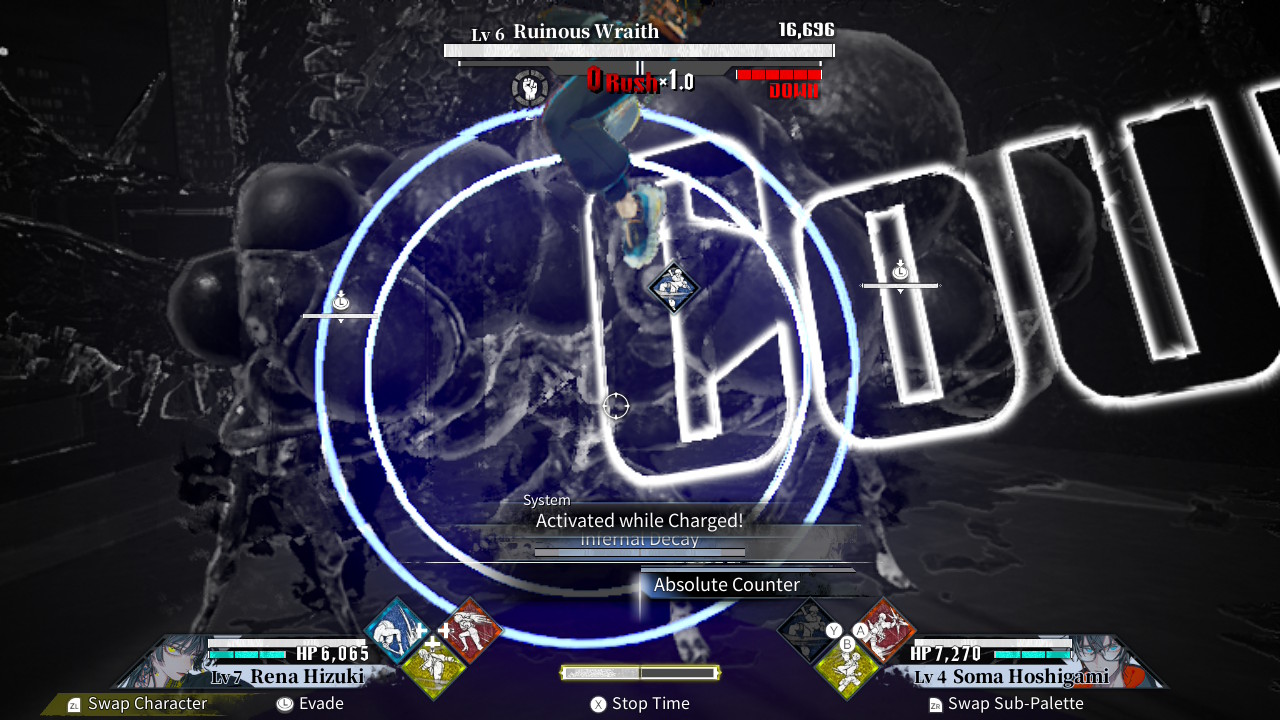
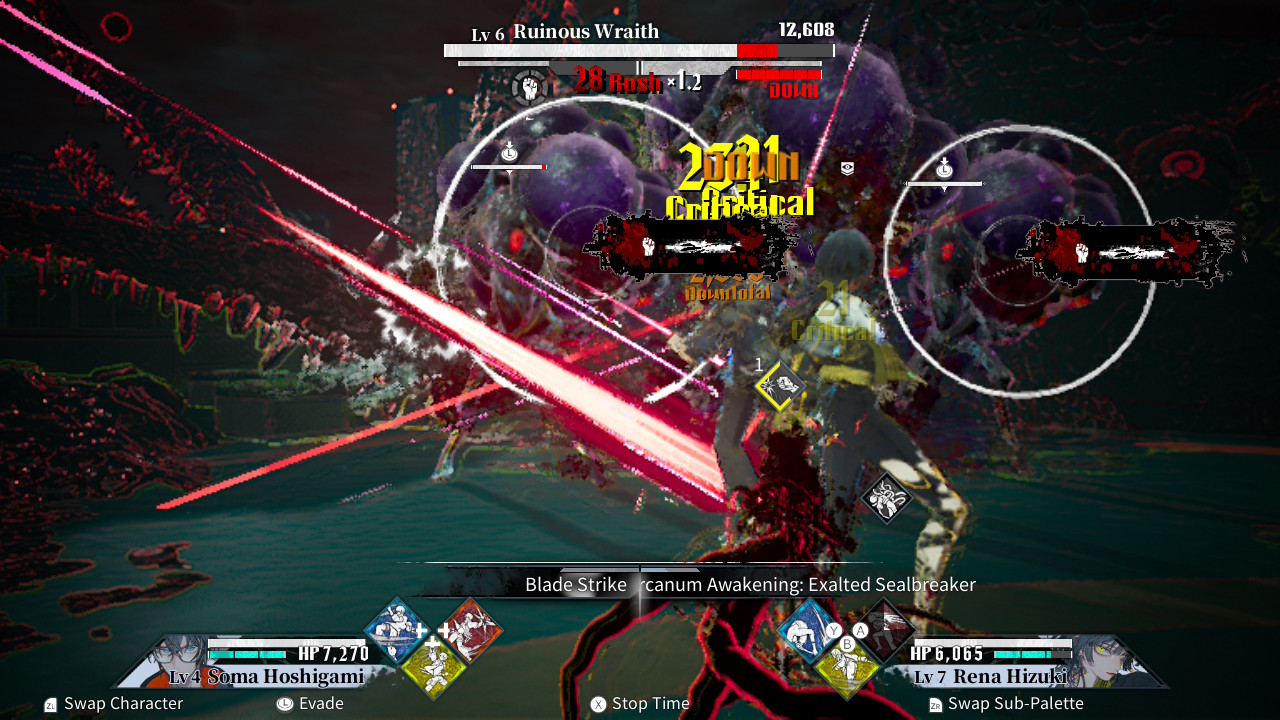
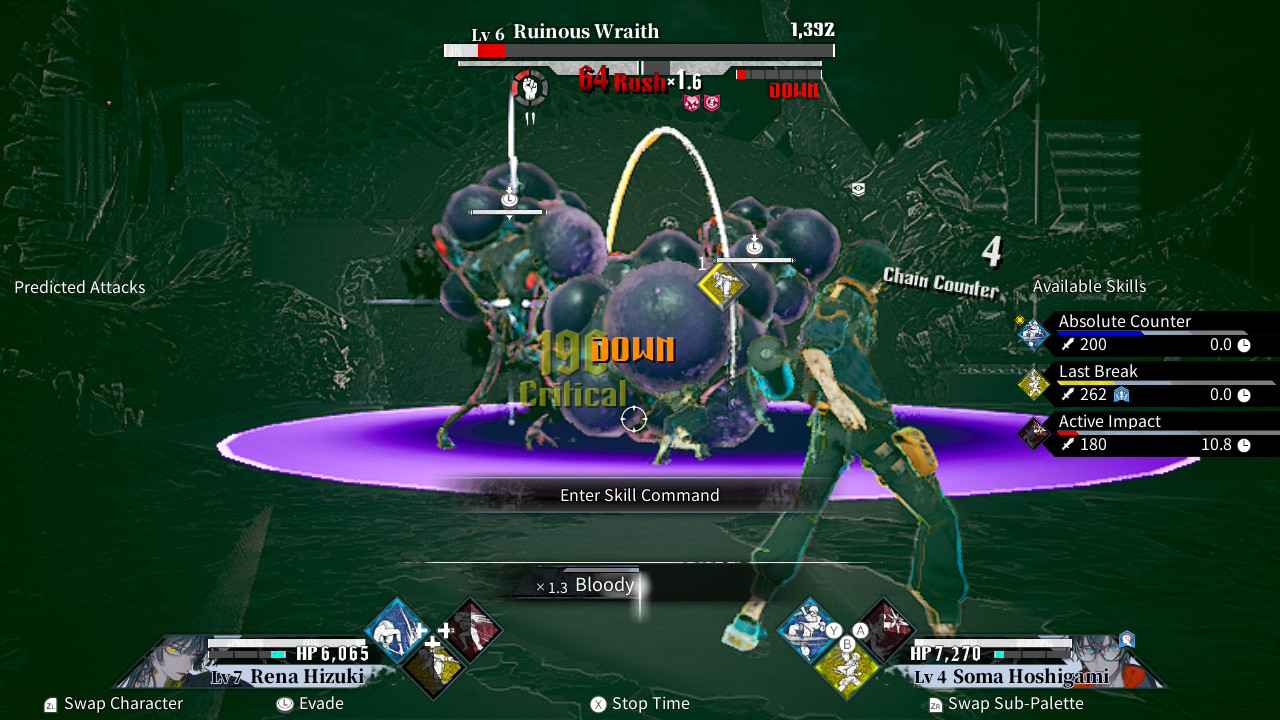
To Arc System Works and UnitePlus’ credit, there’s a good quality of life feature implemented in fights. The character you aren’t controlling will be revived not long after being downed if you do get caught up and do a poor job of keeping them alive. That’s handy! Especially after about five hours when you encountering stronger foes that feel like damage-sponges rather than trying to do something really different or challenging. Because when you do find active and passive skills for Rena and Soma that work for you, you’re basically set for most of the game.
The combat system concept is interesting in theory, but I wish Qliphah in Providence’s Shadow had been a more traditional visual novel or adventure game. The idea of manipulating time and responding to foes’ attacks to counter and constantly get the better of them is fascinating! I like the idea of needing to explore certain things at certain times to advance events and complete Rena and Soma’s missions. But while the elements as-is are passable, the unconventional approaches and decisions led to nothing feeling like its on 100% solid footing.
Qliphah in Providence’s Shadow is available on the Switch, PS5, and PC.