


 By
By 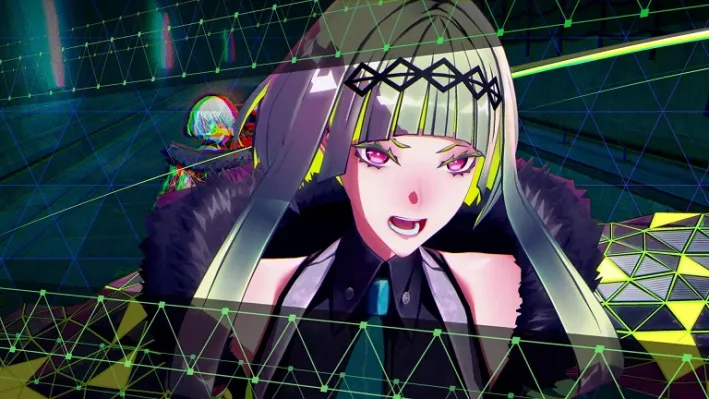
Playing Soul Hackers 2 sometimes feels like taking a long road trip across the United States. There’s a lot of boring traveling in the doing. You’ll pass through a bunch of places that look the same, no matter where you go. Every so often, you’ll take a stop, see the sights, talk with friends, and have quite the fun experience. But it won’t always be enough to erase the monotony. Soul Hackers 2 presents itself as a halfway point of sorts between the character and narrative focus of the stereotypical JRPG and the combat and mechanical focus of the stereotypical dungeon-crawler. Even the marketing seems to position the game as trying to split the difference and succeed in the middle ground between Shin Megami Tensei and Persona. In reality, it’s weighed quite a bit more on the dungeon-crawler (read: SMT) side of the equation. The story is quite simple, and despite the stylish visuals, Atlus doesn’t present it in the most engaging way. Yet, Soul Hackers 2‘s playable cast is appealing enough to make you want to know more about them, and thus want want to play through the plot. As I mentioned in the preview, that plot of Soul Hackers 2 is as straightforward as the setup from the trailers. Ringo and Figue are agents of Aion, which is essentially a sentient supercomputer. Aion sends them to the human world to save it from the apocalypse. To do so, they need a man named Arrow, but Ringo finds him dead. Using the powers of Soul Hack, she revives Arrow. She then does the same for two more companions: Milady, and Saizo. According to Aion, all three of them are Devil Summoners, who use their gun-like COMP systems to call demons to fight for them. They’re all instrumental to saving the world from the apocalypse Aion predicts. What’s not clear from the trailers is that this all happens in just the first half-hour or so of the game.
Soul Hackers 2 is structured so that the narrative doesn’t overstay its welcome or interfere with the meat of the game – dungeon crawling – but doesn’t give the setup much weight. Why are you in this particular area of the city to dungeon-crawl? How did you meet up with these characters? The narrative build-up doesn’t feel organic. As a result, it may be difficult for players to care, particularly those coming in with their expectations set by Persona‘s narrative focus. If you play this game specifically for the challenge and dungeons, however, then that is not an issue. This issue persists as you continue on with the game. Soul Hackers 2 presents major epiphanies with the same amount of fanfare as a minor plot twist. Just like how there is little time for you to feel anything for the plot or characters before the game shuffles you along to the next dungeon, there are no hints or foreshadowing at all. It feels like watching a murder mystery film, but you’re not told who died and how, only to cut to the detective unmasking the killer and playing the closing credits. The meat of the plot feels missing somehow. Soul Hackers 2 shines through in its characters, though it does take a while before this particular silver lining shows itself, unfortunately. As you play through the game and explore the Soul Matrix, you learn more about their particular subplots and histories. Hangout events, as well as the story, also allow you a glimpse of their private lives and fun idiosyncrasies. Even Figue, who isn’t really a party member, is very likeable. I love how earnest she is about everything. Of the cast, Ringo is probably the hardest character to relate to. Everyone else has an actual stake in the story. In contrast, and despite being the leader, Ringo just seems to be along for the ride most of the time.