


 By
By 
Bandai Namco’s Tales of remaster push is in full swing, following the rerelease of Graces f, return of Xillia Remastered, and upcoming Berseria revival. It’s a good time to play catch up, for sure. This does mean things are par for the course. With Tales of Xillia Remastered on the Switch we’re getting access on a new platform with some quality of life changes, but performance is better on Switch 2.
Tales of Xillia features two protagonists. Jude Mathis is a medical student in Fennmont. While investigating instances of people unable to use Spirit Artes and his mentor’s absence after visiting a military facility, he goes to investigate. Meanwhile, Milla Maxwell is the current Lord of the Spirits who is investigating spirits’ deaths and is lead to that same stronghold in that search. The two end up teaming up, learning that the army created the Lance of Kresnik. With Milla’s spirits Efreet, Gnome, Sylph, and Undine taken after an attack and the two forced to escape, they team up to begin a journey for her to regain the spirits, destroy the weapon, and naturally save the world and learn important truths about it in the process.
While there are two possible heroes and routes, it really comes down to personal preference in Tales of Xillia Remastered. There will be some different story scenes depending on who you choose, such as a different introduction for each depending on the lead you choose. But in the end, you’ll end up in the same place and there’s only one ending. You’ll also still get the same allies no matter what and can of course swap who you’re using in battle as in any Tales of game, so there’s really no fear of missing out. New to this version is the ability to skip story scenes and skits. If you’re replaying it, it could be handy, but since there are a lot of critical plot points even in some more early or innocuous moments, I recommend paying attention to all the event scenes the first go around. (But if a skit isn’t your thing, I feel it’s safe to pass over those!)
As in other Tales of games and remaster releases, Tales of Xillia Remastered is an action-RPG with four characters moving freely about a 3D battlefield to attack enemies within it. Also, as usual, the system ended up with an elaborate name (Dual Raid Linear Motion Battle System). Basically, the character you are controlling attacks freely and the CPU controls the others. They can use ttacks, items, and Artes. The thing that sets it apart from other installments is the “dual raid” element, since it’s possible to pair two characters up as partners for linked Artes. It can result in some really solid combos and is generally one of the better takes on the system in the series, and since you can swap folks in and out, it’s easy to experiment with duos you might like. The quality of life changes for the remaster involve the option to retry a regular battle if everyone in the party dies, which could be helpful in the late game, or turn subtitles on for in-battle dialogue.
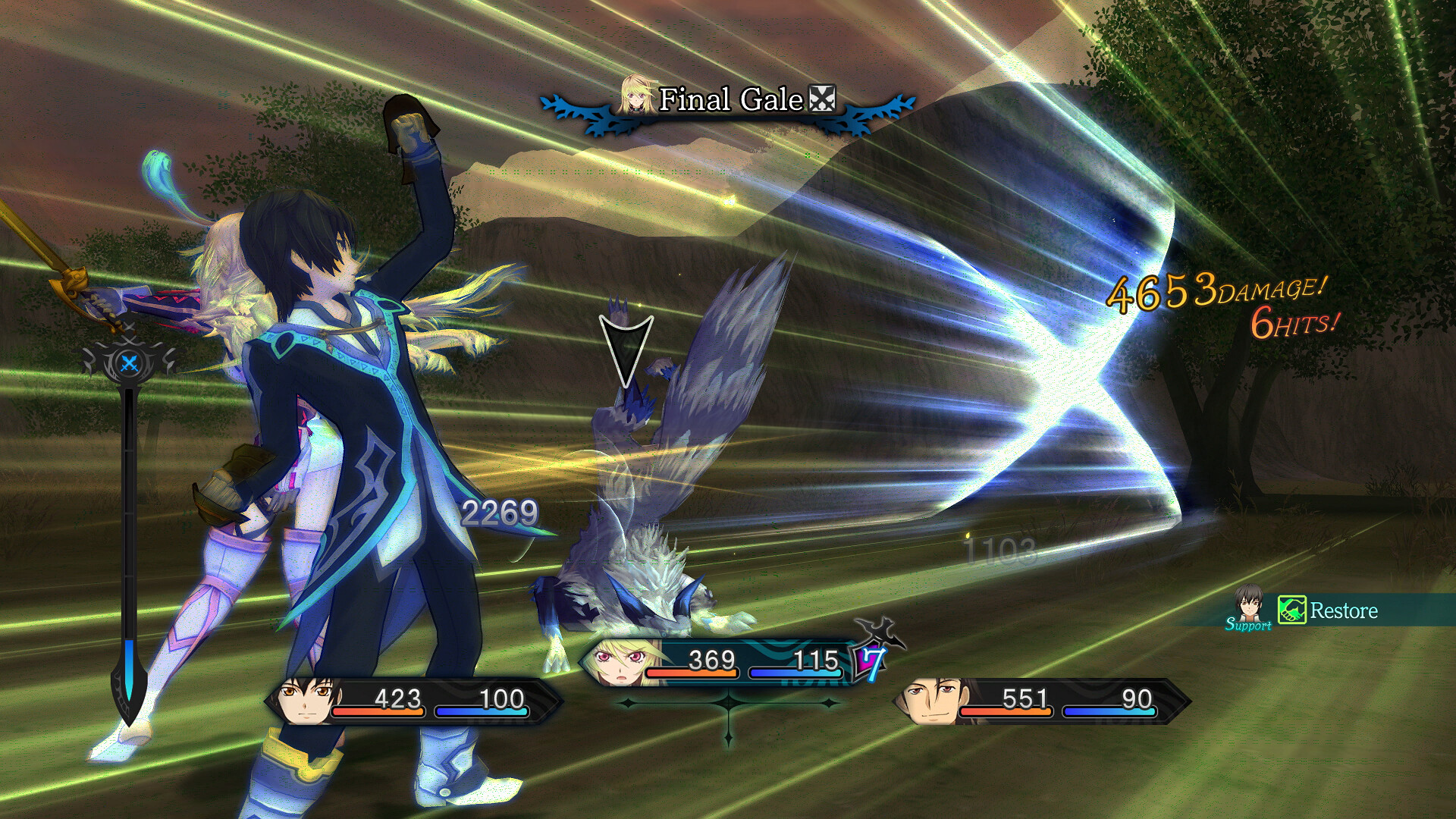
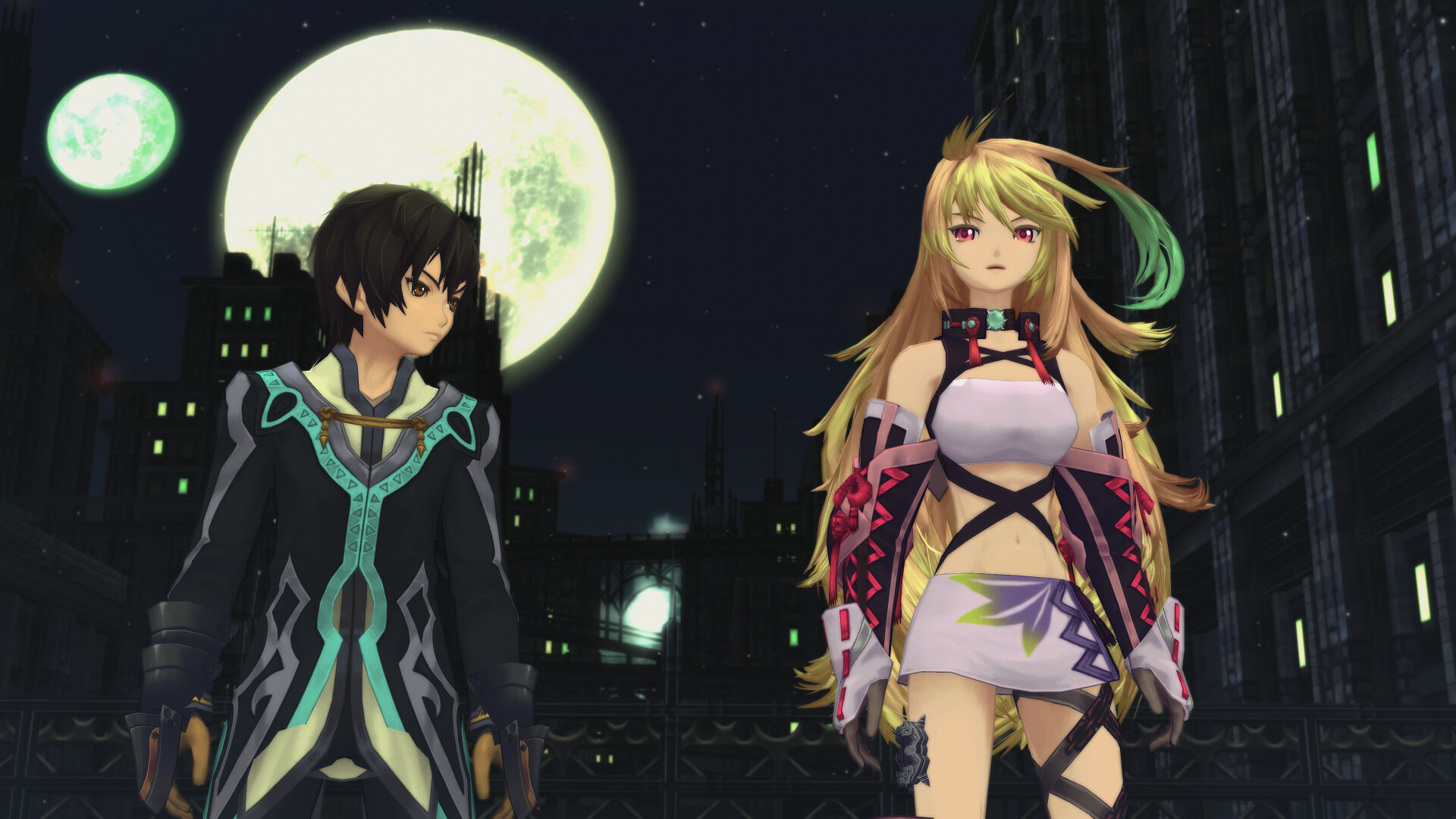
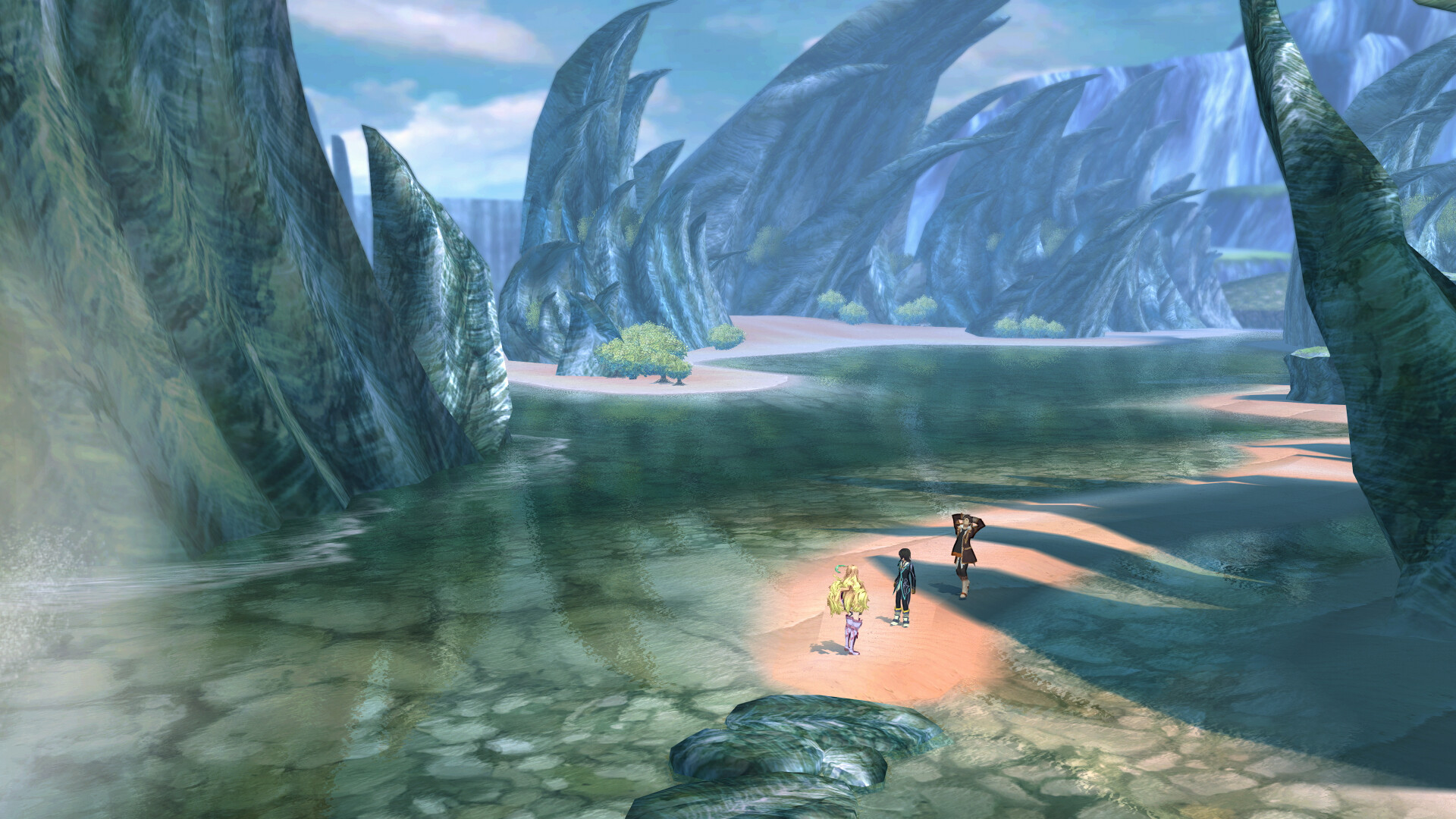
Getting into that, a lot of the Tales of Xillia Remastered additions and changes exclusive to the remaster feel like obvious inclusions of everything from the base release, little touch-ups like the retry feature that make things a little more obvious or immediately available, or touch-ups. The DLC is all included, which is largely cosmetic options. The Grade Shop that lets you turn on things that could make the game easier or more difficult is available right away, rather than being locked behind a new game plus file. The autosave functionality is one of my favorite features, but that’s partially because I accidentally let my Switch battery get too low one time and I feel like that saved me some worrying. It’s also a lot clearer where you need to go and what’s around you, due to extra icons on the various maps.
It is important to note that while some of the Tales of Xillia Remastered changes are convenient and it will look a little crisper, even on a Switch in handheld mode, I did notice some minor performance quirks on the base system compared to a Switch 2. It runs really well on Nintendo’s newer handheld and is completely compatible with it. The load times on the base model are noticeable when getting into the game or loading up a save, but they aren’t too bad when heading between locations or into a battle. You’re also locked at 30fps regardless of your current actions, and I did notice sometimes on the Switch it would dip below that in locations that were especially “busy” in terms of NPCs or environmental elements. In-battle, it seemed fine and like it always handled at 30fps, however. I was a little disappointed that battles couldn’t hit 60fps. I owned the PS3 version and it could manage that for fights. On the plus side, it is a much brighter version of the game with improved lighting effects, which is noticeable in almost every situation compared to the PS3 original.
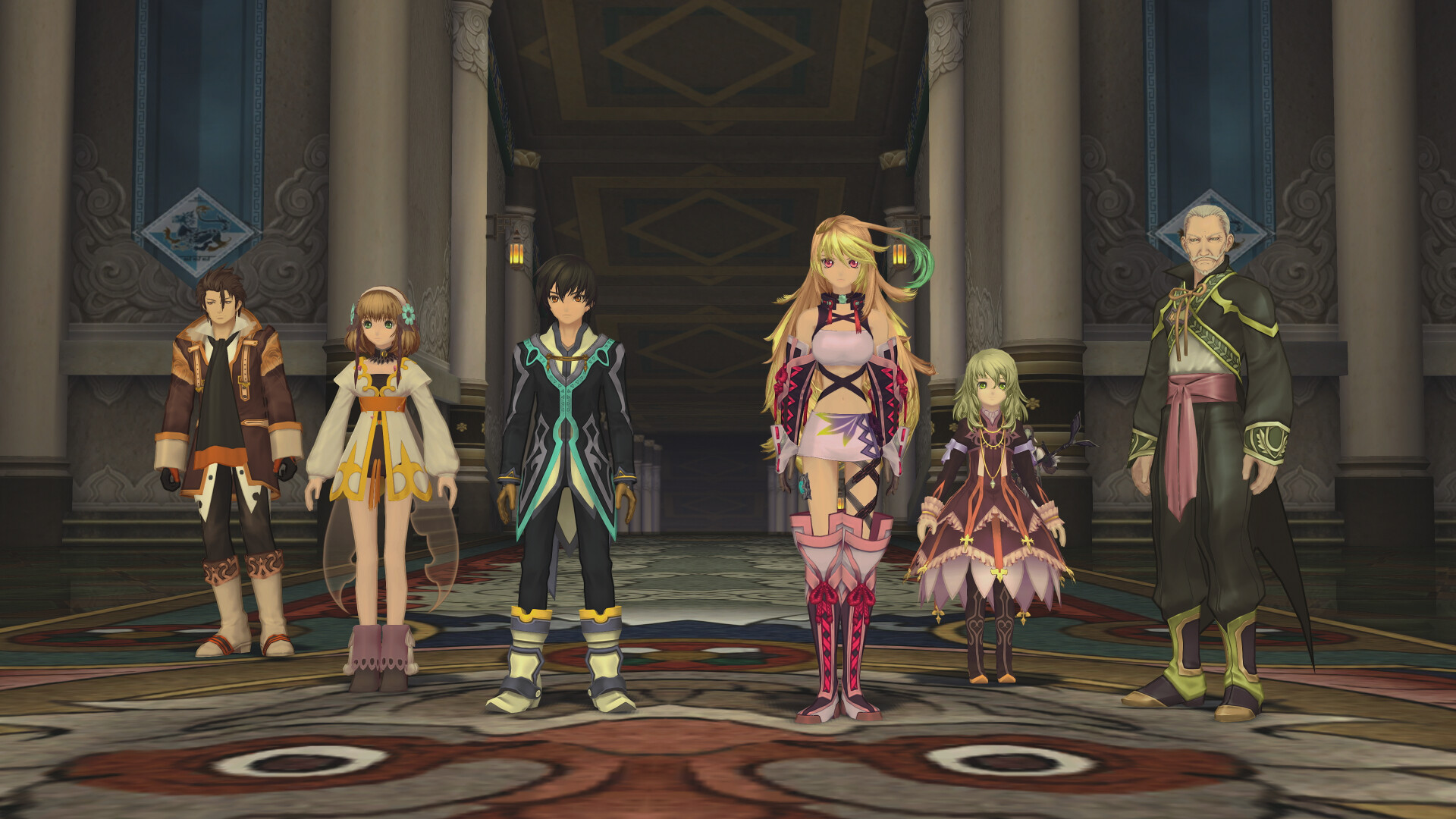
Tales of Xillia Remastered is another totally fine remaster, with Bandai Namco ensuring all of the original’s content is paired with some QOL additions on the Switch. It’s a totally serviceable way to play the game. Especially since it only first appeared on the PS3, limiting its scope. There are some instances on the original Switch where it is noticeably not hitting the same marks as other platforms, but it does run better on a Switch 2 if you’ve got one. It’s definitely worth revisiting if you love the series.
Tales of Xillia Remastered is available for the Switch, PS5, Xbox Series X, and PC. The original game is on the PS3.
Tales of Xillia Remastered
Tales of Xillia Remastered is another totally fine remaster, with Bandai Namco ensuring all of the original’s content is paired with some QOL additions on the Switch.