


 By

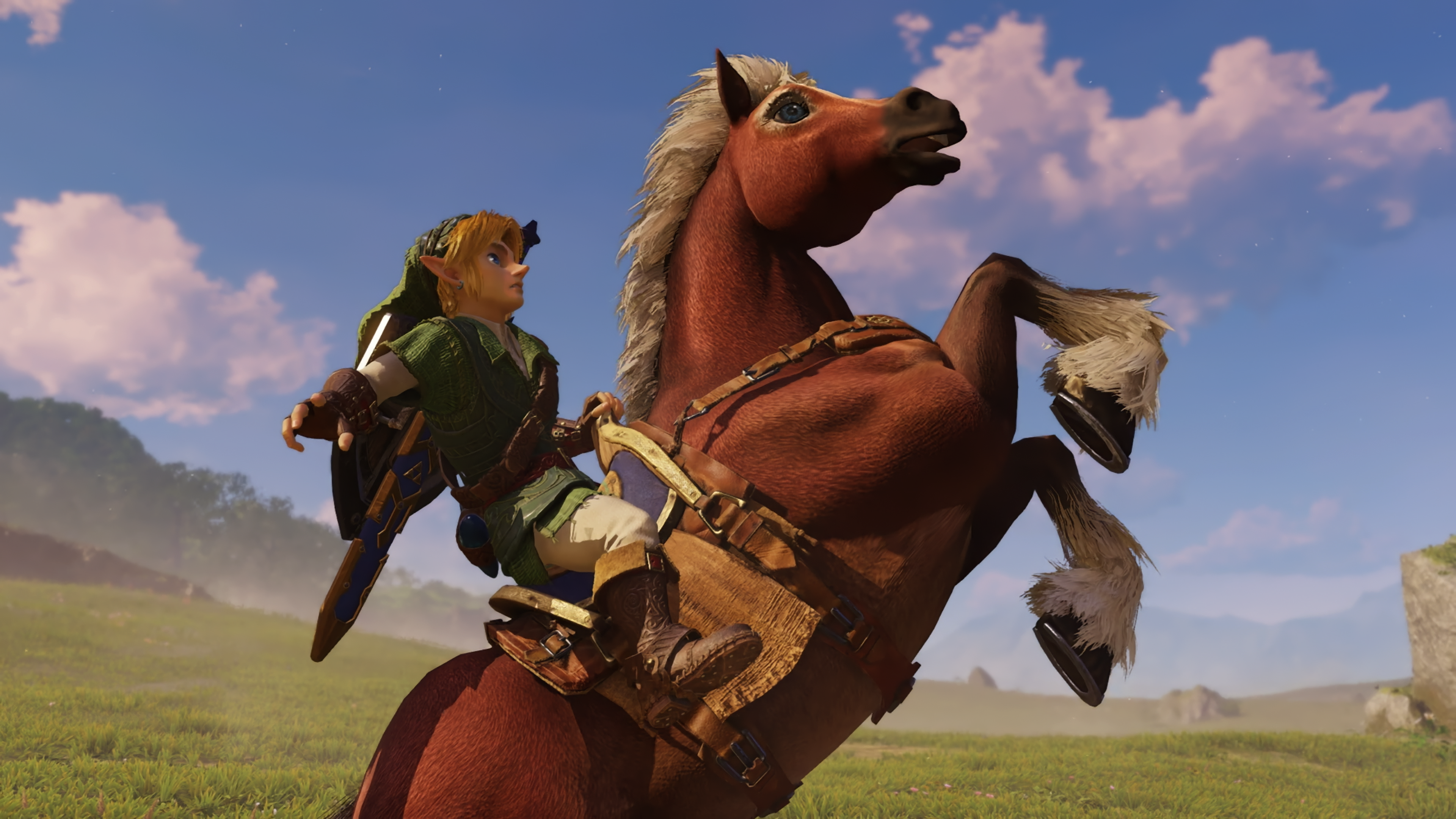
Some entries in The Legend of Zelda series feel more pivotal than others. The Legend of Zelda: A Link to the Past, which inspired rereleases and a sequel, is one. The Legend of Zelda: Ocarina of Time is the other. As the first 3D installment, it set a certain standard for these action-RPGs. While we’ve already seen it return before, this Switch 2 remake of The Legend of Zelda: Ocarina of Time feels like an even more gorgeous and elaborate retelling of one of the most critical games in the series.
The Legend of Zelda: Ocarina of Time Switch 2 remake tells a familiar tale, thought the nature of it does mean some of the familiar scenes feature more dialogue, as do incidental interactions, and taking the effort to explore can result in enjoying more flavor and ambiance. Link is a young boy being raised among the Kokiri with their fairies. However, following him having strange dreams of Ganondorf hunting down Zelda, princess of Hyrule, he’s summoned by the Great Deku Tree and assigned the fairy Navi as a partner to protect a relic he guards and defeat a curse. That accomplished, Link is sent out into the world to face his destiny, assist Princess Zelda, and save both the Triforce and the kingdom.
It’s going through the story and seeing the “new” version of The Legend of Zelda: Ocarina of Time, Hyrule, Link, Zelda, and Ganondorf. In some cases with the script, it feels like characters get a few more lines than usual, but by and large the big changes here are the full voice acting, more lavish cutscenes, and new character design direction. It feels like a stylized take that blends realism and high fantasy, and I liked how it sort of emphasized the look of Hylians and set them apart from more human-looking renditions of characters. The voice acting is also fantastic, with wonderful performances from major and minor characters. I won’t say anything that could perhaps be a spoiler, but I will note that I felt it treading the same paths, but feels revitalized due to certain design choices.
While the story may feel very familiar, the choices tied to combat and gameplay for the Switch 2 remake of The Legend of Zelda: Ocarina of Time made it feel upgraded in so many ways. Some of these are big changes, and ones that affect battles and progression. The ability to jump was something I sort of found amusing when it was introduced as a new feature, but I found it invaluable and so useful when it came to dungeon-crawling and puzzle solving. It even made jump attacks feel satisfying. I loved how it feels to dodge, especially with the options to quick-step back and forth or backflip out of the way, to evade foes. The third-person perspective for aiming for ranged attacks and ability to, say, hold a slingshot or bow and move around worked wonderfully, and the fact that it’s so useful a feature in the first dungeon means that feels like both a tutorial and means of showing off how handy that will be.
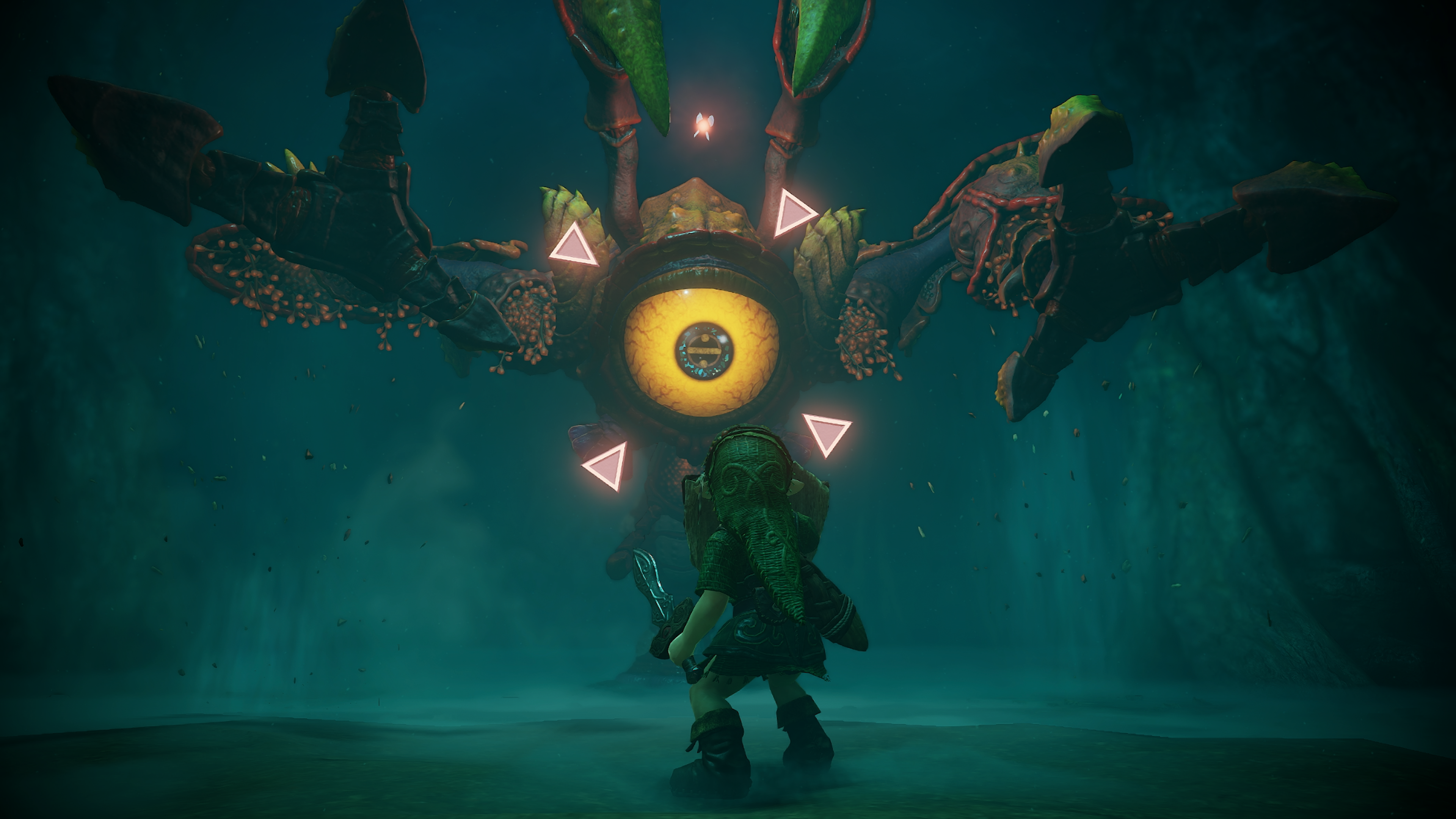
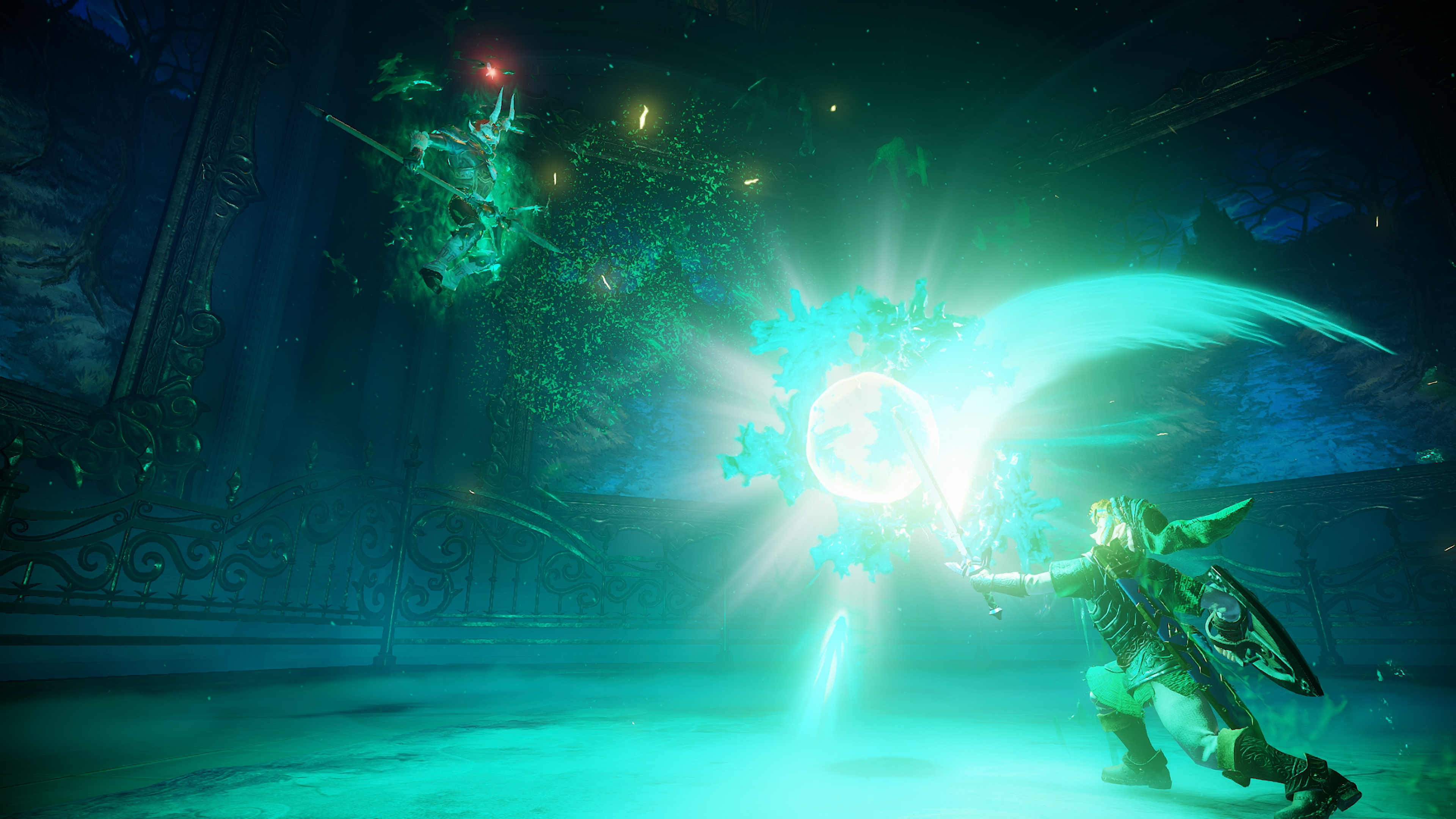
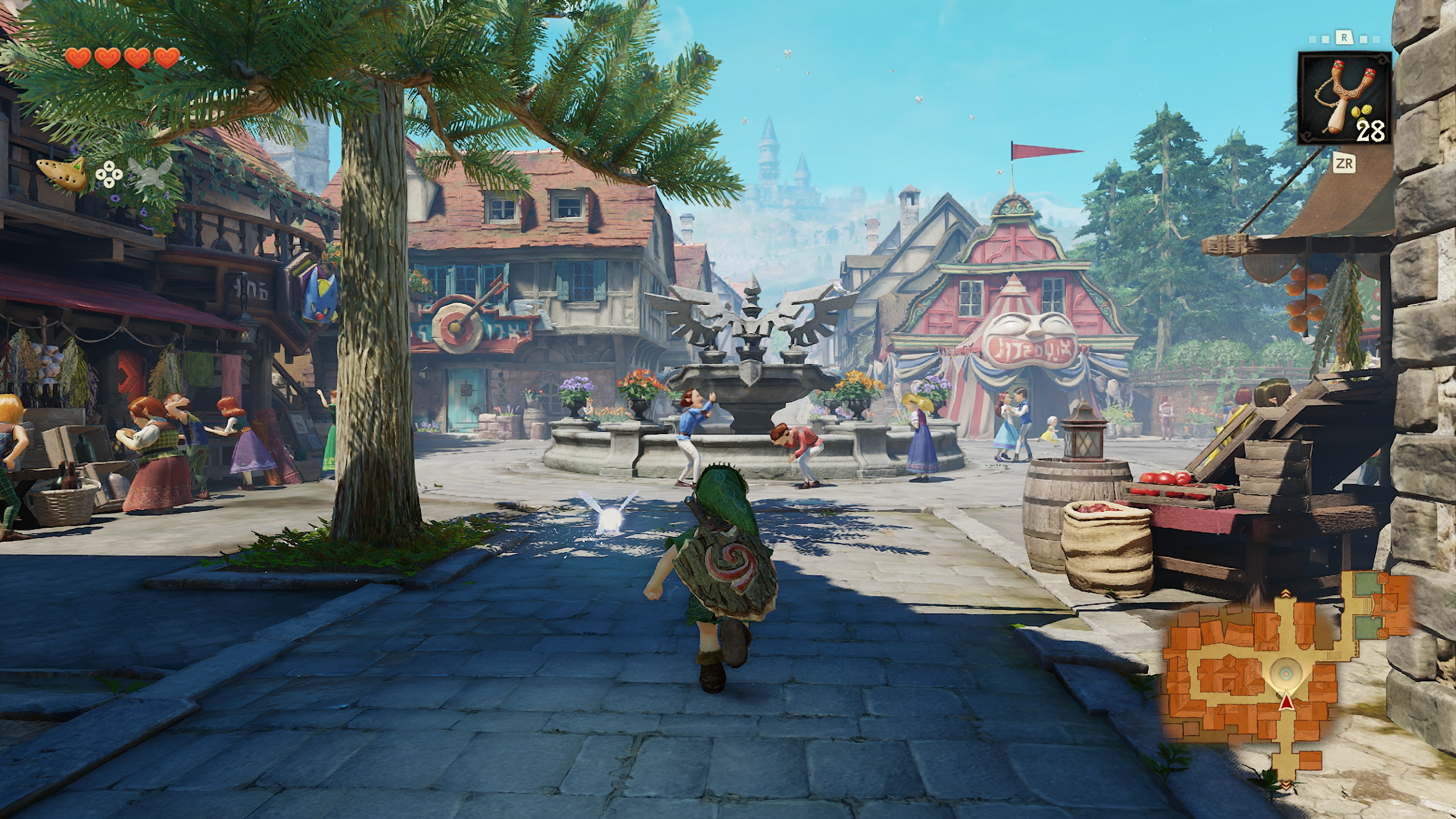
But other elements of these choices seem more like quality of life changes that I didn’t know would make The Legend of Zelda: Ocarina of Time feel so different. Being able to scroll through the inventory without bringing up the menu is huge. It streamlines things and keeps things flowing. The UI in general is great. So does the lack of loading screens, as they’re so infrequent that ones that do appear feel like punctuation to ensure you notice important distinctions. The Navi and ocarina hotkeys are handy. The Threads of Time tapestry also feels like it could be this for some folks. Due to the way I played the remake, I never had long enough breaks to forget what I should be doing next. But it’s handy, informative, and looks thematically on-point. Not needing to immediately think about saving for a bigger wallet is great and let me prioritize other things, since Link starts being able to hold 200 rupees. I also loved the Business Scrub Seed, since it proved to be a big help when I needed arrows or bombs. And the way everything feels so seamless is incredible, with the spots where loading is present feeling more like transitions employed for narrative elements or to really emphasize the movement.
I appreciate that The Legend of Zelda: Ocarina of Time Switch 2 remake takes into account past quality of life decisions from the 3DS 3D remake. The color-coded Water Temple lights are there to ease frustration when dealing with the water level puzzle. The Hall of Fallen Foes feels like a fresh and upgraded take on The Legend of Zelda: The Ocarina of Time 3D Boss Challenge that also lets us take in the redesigns. It felt a bit like an acknowledgement that each version of the game felt important.
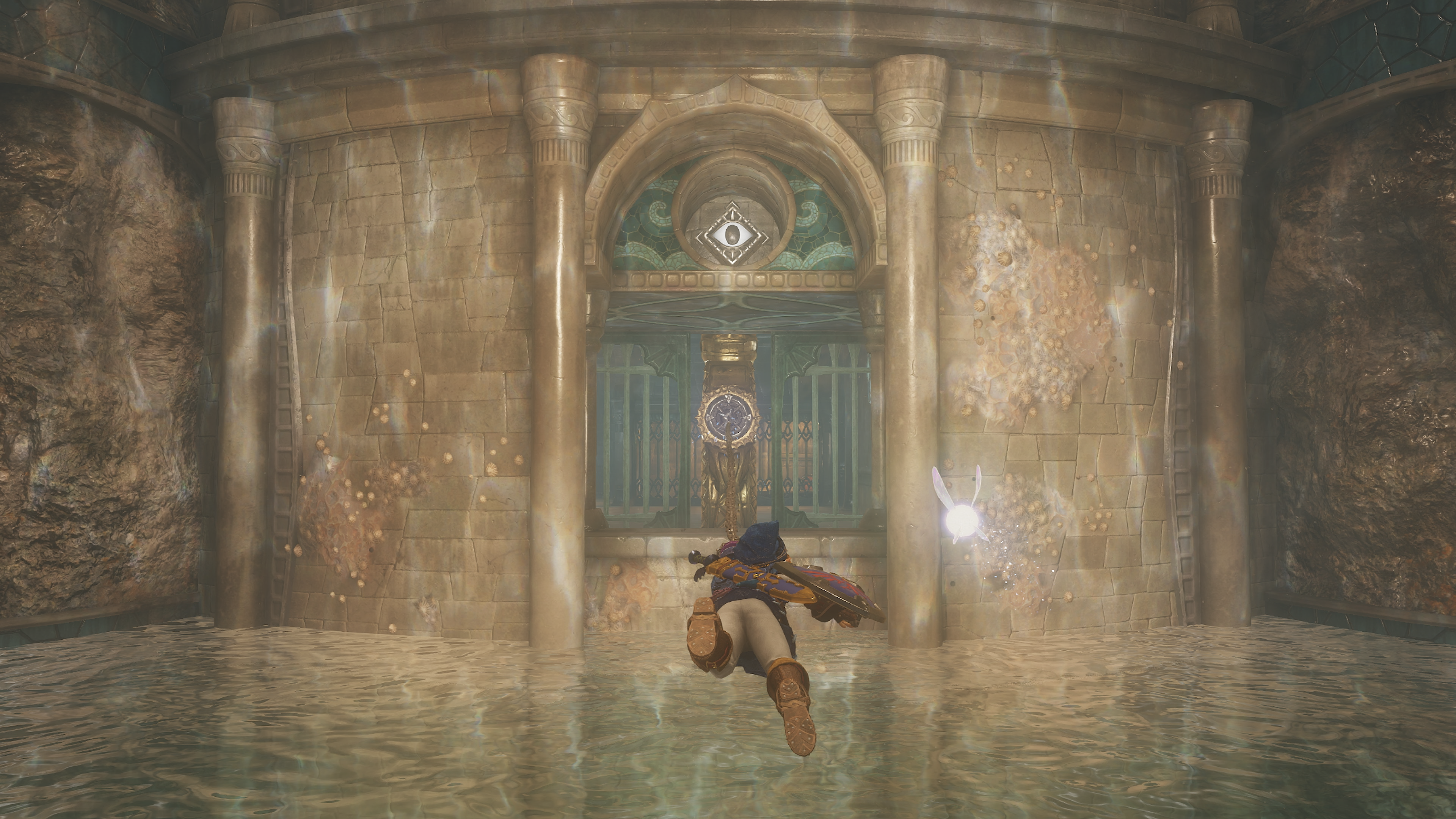
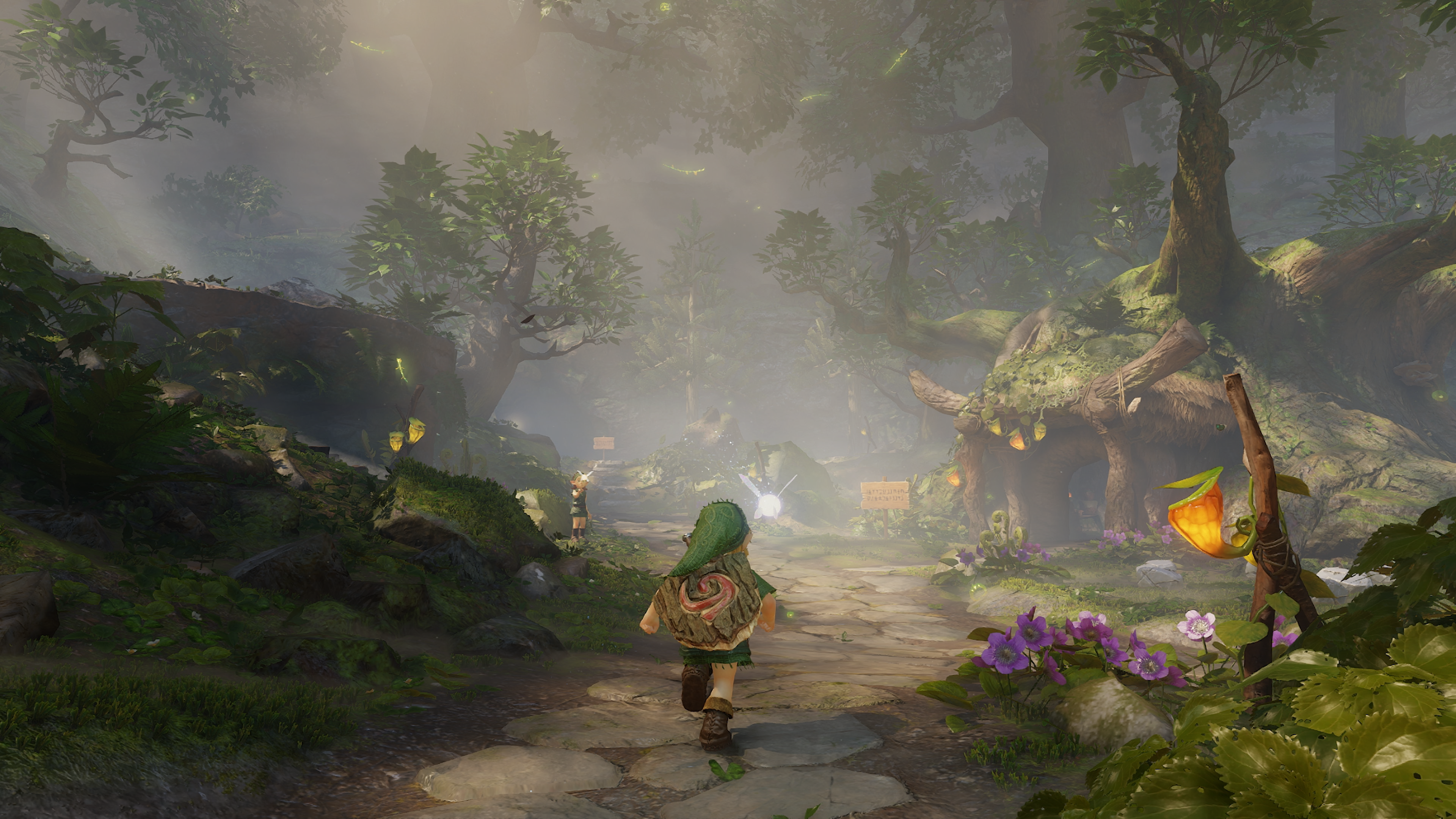
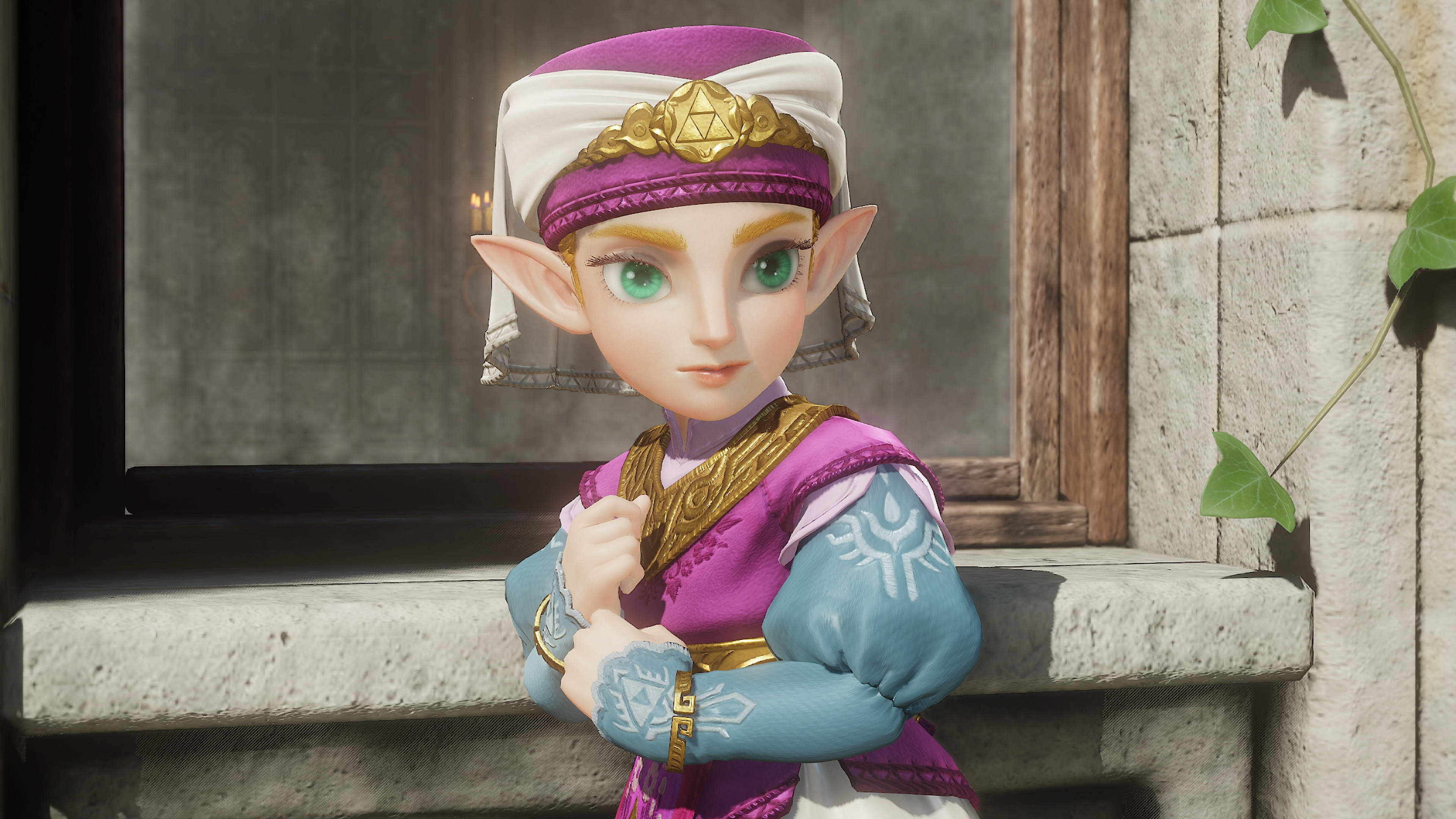
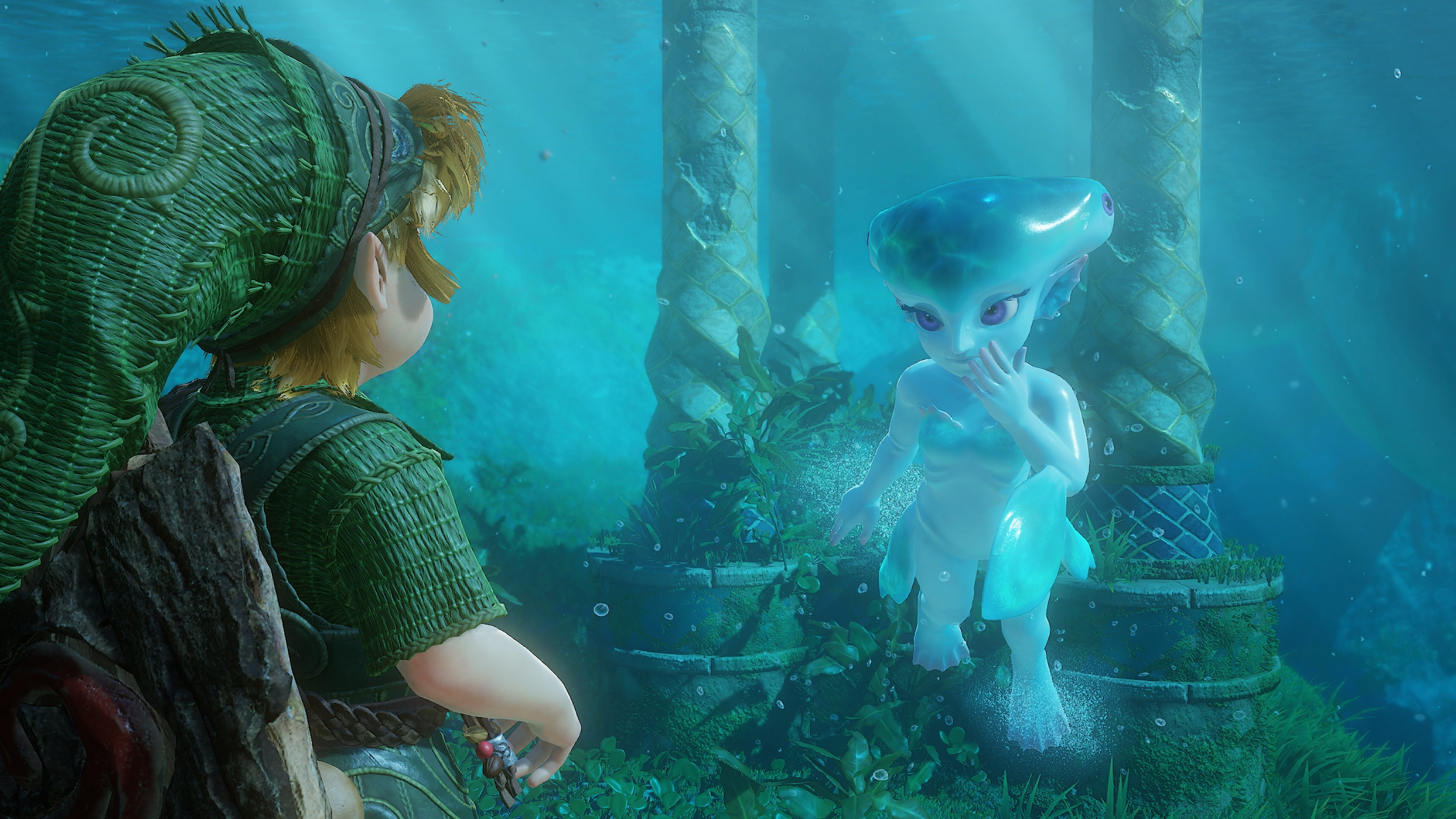
But I do appreciate the times when Nintendo did decide to go with 100% new, unique to this entry elements of The Legend of Zelda: Ocarina of Time. While dungeons still feel faithful, as do other spots, Hyrule Castle Town is a perfect example of things going right to make the world feel more fleshed out. We see more people, and it feels like they have their own lives as they perform certain actions and appear at different places at different times of day. Folks may have more to say if we take the time to check in with them. They might even be out at night. I like the way Kakariko Village looks more here, and I appreciated the new approach to the stealth puzzle in Hyrule Castle to get past the guards. Some dungeon and field designs intended to add more flavor as well or elements that make sense, like a deteriorating wooden bridge in the first Deku Tree dungeon. I’d even say some characters look more unsettling in a good way due to the new designs, like the ReDead.
The Legend of Zelda: Ocarina of Time is a lavish remake of the original action-RPG for the Switch 2 with gorgeous visuals and some quality-of-life adjustments. It feels like a lovely update, along with some embellishments to add additional life and opportunities to some areas from the original. I would call it another tribute to perhaps one of the best and most influential entries in the series.
The Legend of Zelda: Ocarina of Time will come to the Switch 2 on November 5, 2026.