


 By
By 
The Tomodachi Life series always offered a great range of customization and control in each game, with the simulation letting you use the Mii editor to play around with the little inhabitants of islands and shape their lives. The thing is, I always felt like Tomodachi Life on the 3DS almost felt more like an updated version of Tomodachi Collection for the DS. With Tomodachi Life: Living the Dream, it feels like Nintendo put together this massive upgrade with extensive customization options that really let us go overboard with making our island, Miis, and things around them our own. So much so that, while people with artistic experience and talents will likely get the most out of the simulation and go above and beyond, what’s here will allow any of us to be exceptionally creative and do amazing (and maybe even hilarious) things in this Switch simulation.
In Tomodachi Life: Living the Dream, we’re treated as something of a deity or overlord. (When we set up our first character, some of the possible preset examples for our nickname include options that suggest we’re their master or ruler.) Our deserted island starts out small, with only one Mii (that we create) calling it home. However, we are able to fill it up with more residents, eventually making it home to up to 70 residents, and new abilities, features, simulation elements, and customization options open up as we spend more time with the island, leveling it up and having Miis make it home.
Tomodachi Life: Living the Dream is a bit more hands-off than simulation games such as The Sims in some ways, but offers the opportunity to get involved in others. The only stat we need to be aware of for Miis is hunger, feeding them food they (hopefully) like to keep them happy and help them personally level up. Other than that, they mainly keep themselves alive. However, if we bring up the menu bar showing everyone living on the island, different alerts will show if they have requests, want to play minigames, or could be involved in a scene we might want to watch. Fulfilling their needs levels up the Mii, giving you an opportunity to give them things like a new quirk that changes how they move or react during certain actions or new expressions goods. Taking the time to help out also gives you the experience you need to level up your island at the Wishing Fountain, unlocking new things like goods or rooms.
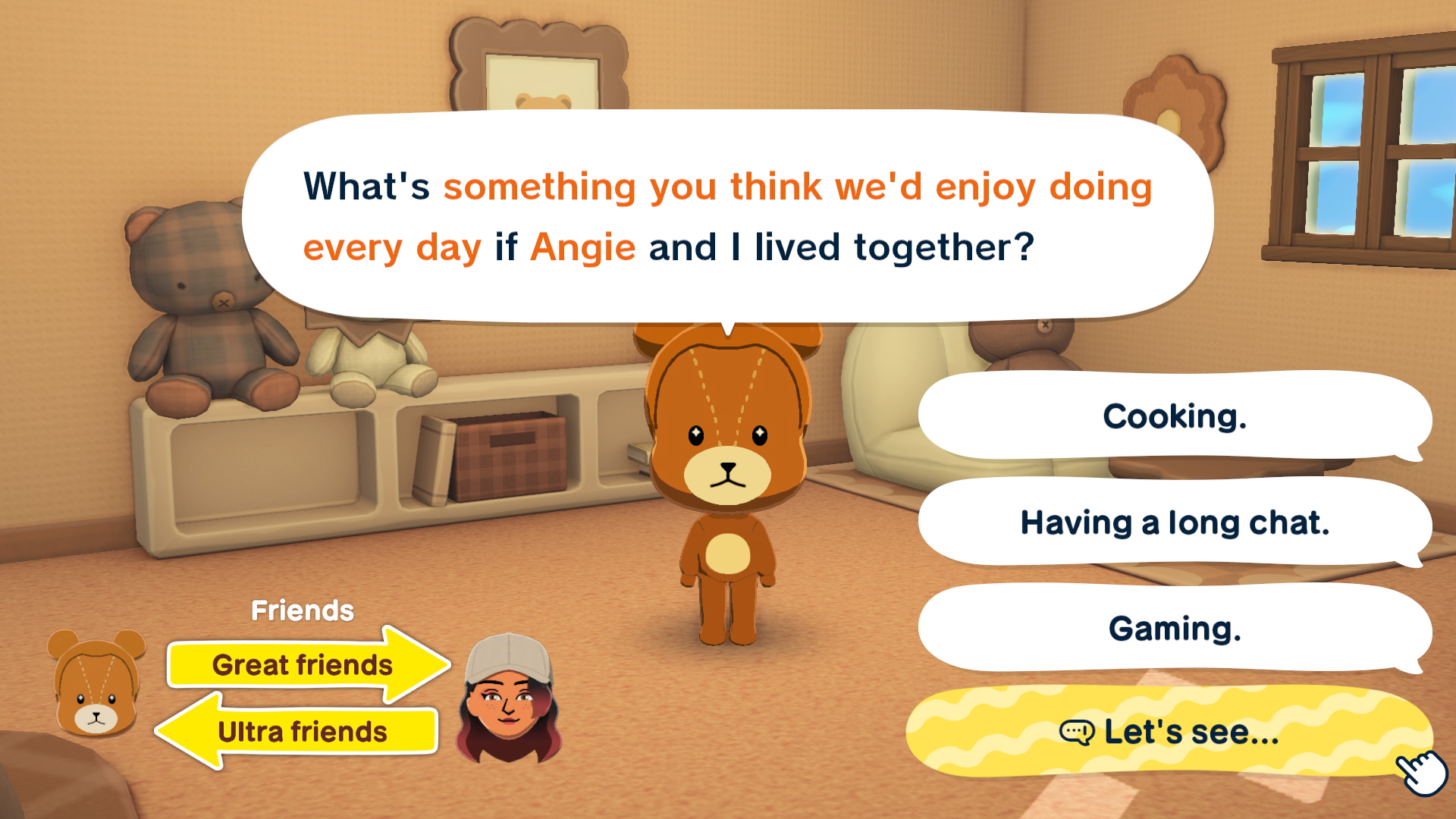
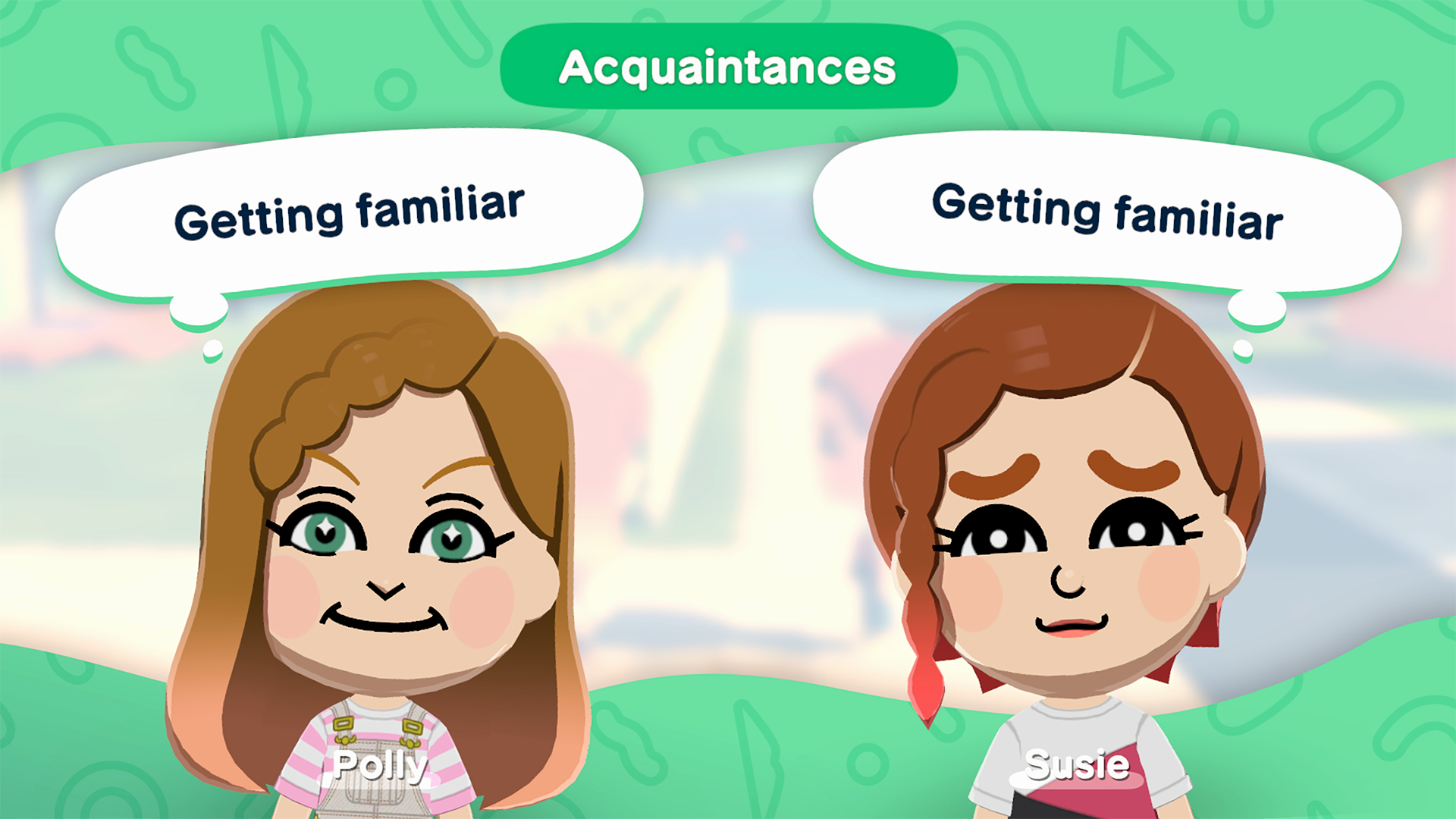
A big part of the interactions we do shape involve various kinds of customizations. Trying to push people into being friends is one of them. We can pick up and drop characters onto others to force them into interactions, and sometimes a Mii might be in a situation where they need an assist and doing that can help foster a friendship. While they will sort of decide how the feel about some people on their own, even when you aren’t playing, they may also consult you about befriending another Mii, moving in with them, or pursuing a relationship. (You can catch up on what’s happened when you weren’t around via the Mii News Station broadcasts when you see that building highlighted.)
There are times when that asking our assistance can be a pain. The best example I can think of is a shoot’em up proposal minigame. This is a multi-stage situation in which you control a Mii and have it shoot at distracting thoughts inside of their head so you can help them successfully propose. While the first two parts of it aren’t too reasonable, the final one involves such a barrage of bullets in a game that isn’t designed to be a bullet hell and has so little “space” inside the brain-shaped stage that it’s all too easy for a harmful thought bubble to get through and ruin a proposal. It’s disheartening, and then the Mii ends up depressed for quite a while in-game, so it really puts a hamper on progress for that character and their development. But then, this was also an issue in Tomodachi Life, since the heart proposal minigame that involved tapping the heart.
Plus, other minigames can get a little frustrating too. This is especially true with the double shadow one, since there are a lot of foods and treasures with similar shapes, and custom creations might use similar templates that make discerning items difficult. Or you might get a minigame that involves pixelation and zooming in paired with items you haven’t encountered or seen often.
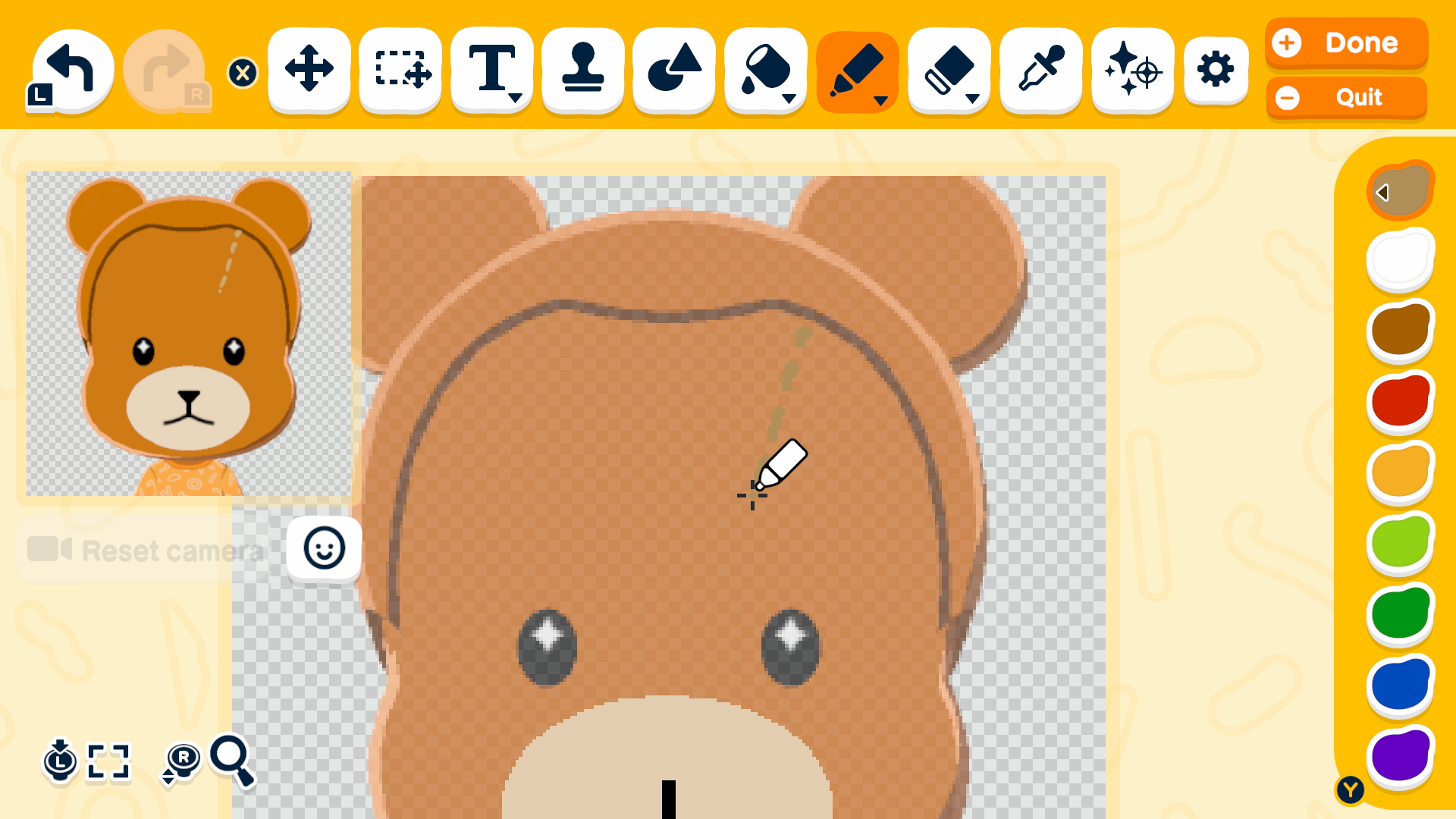
But the real draw here is how in-depth we can get when creating our little world inside of Tomodachi Life: Living the Dream, even if we aren’t artistic. The Mii creator this time around is amazing and even better than before, with all sorts of facial adjustment features and color options that allow us to specify and tweak how characters look before even getting into the face paint option. With face paint, someone can use the touch screen as a canvas to do incredible things, with many people already showing off fantastic works and designs on social media thanks to do the demo.
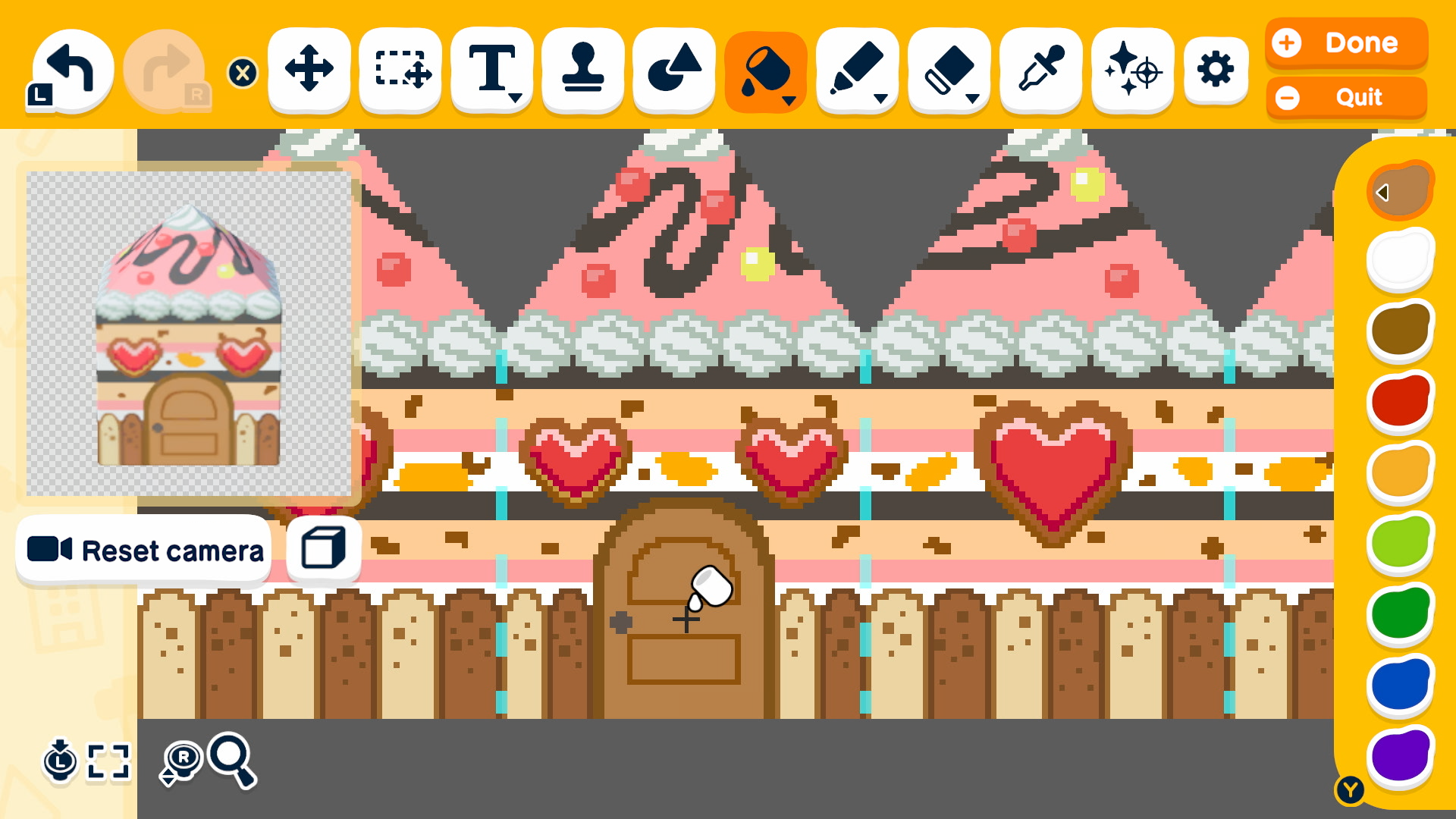
The thing is, that isn’t just it. The Palette House Workshop offers the same sort of range and opportunities with items we engage with on a daily basis. The same sort of tools we see with the face paint option in the Mii creator is present there for designing things like clothing, food, and goods. Even better, there are some options like preset plates or stamps to allow for a little helping hand in case you aren’t great at drawing so the things you create still look fun and recognizable.
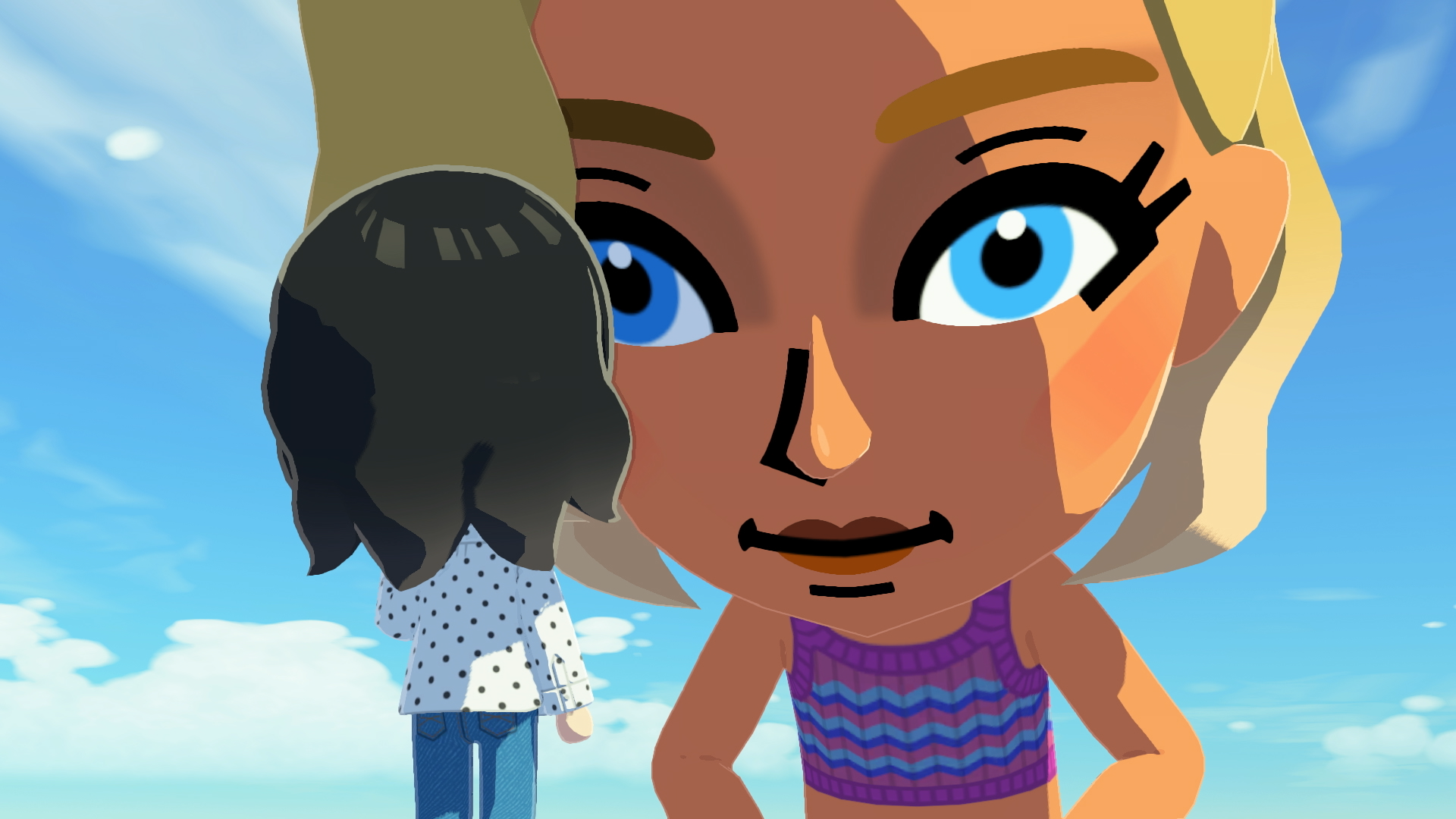
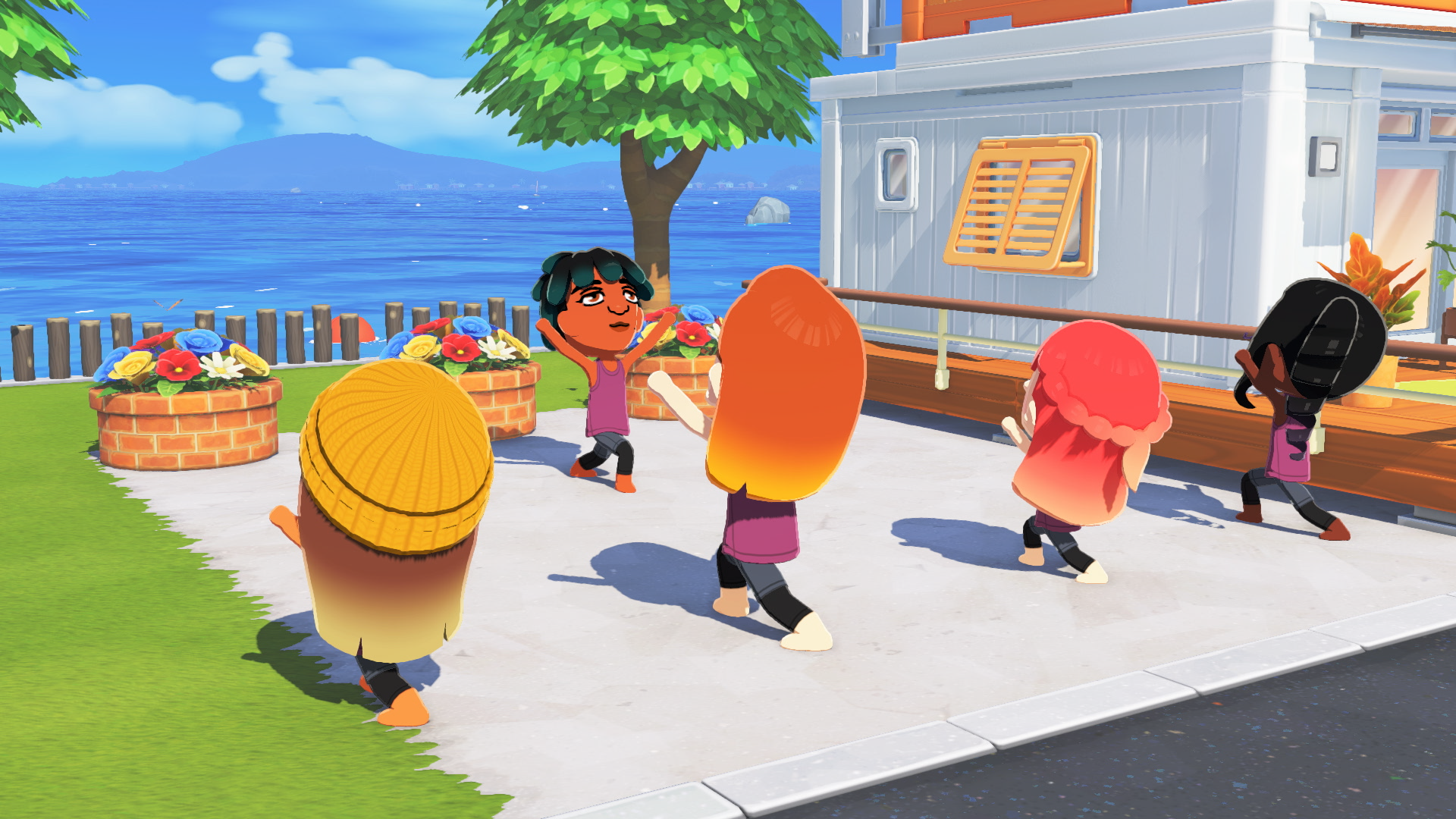
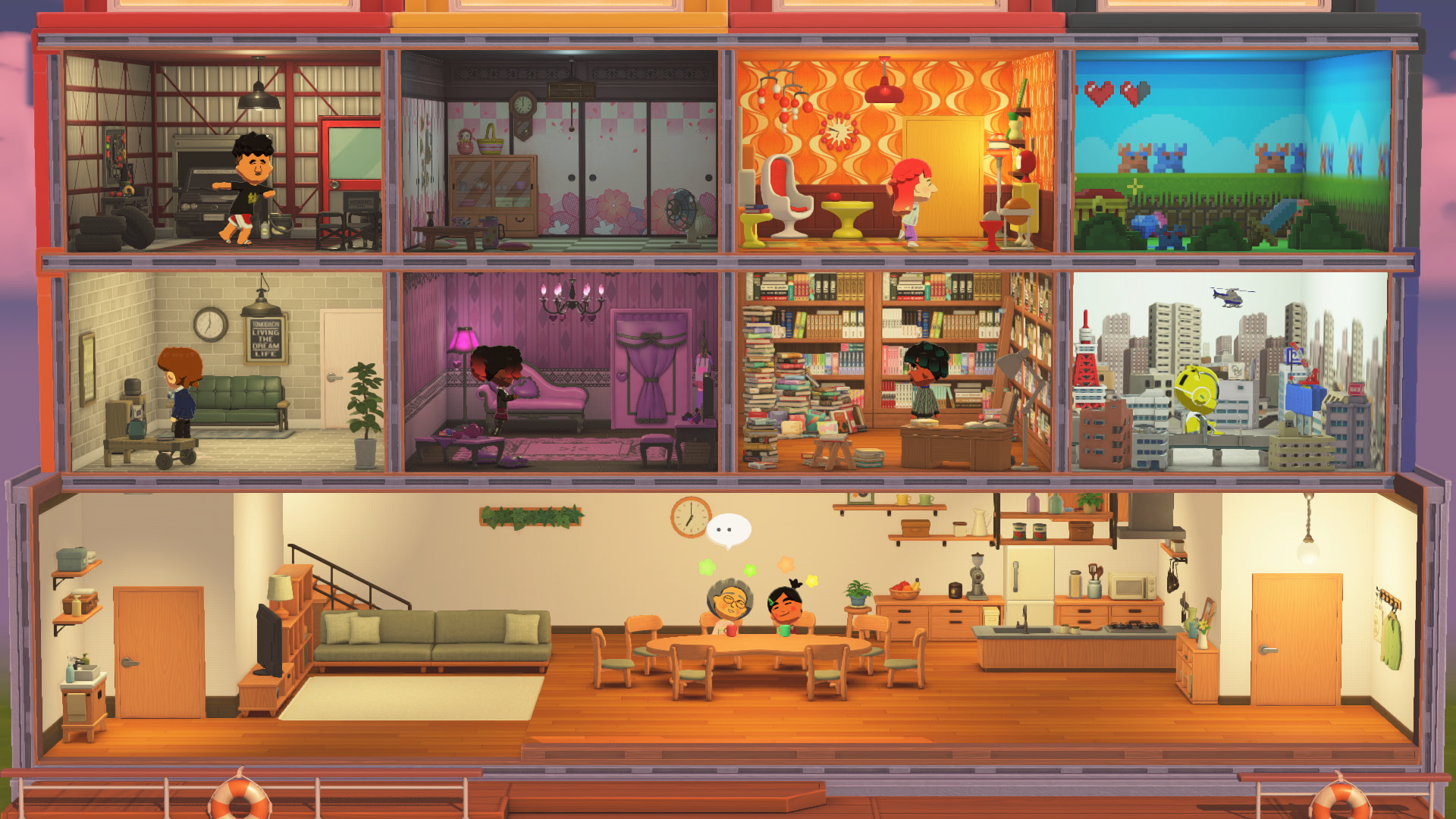
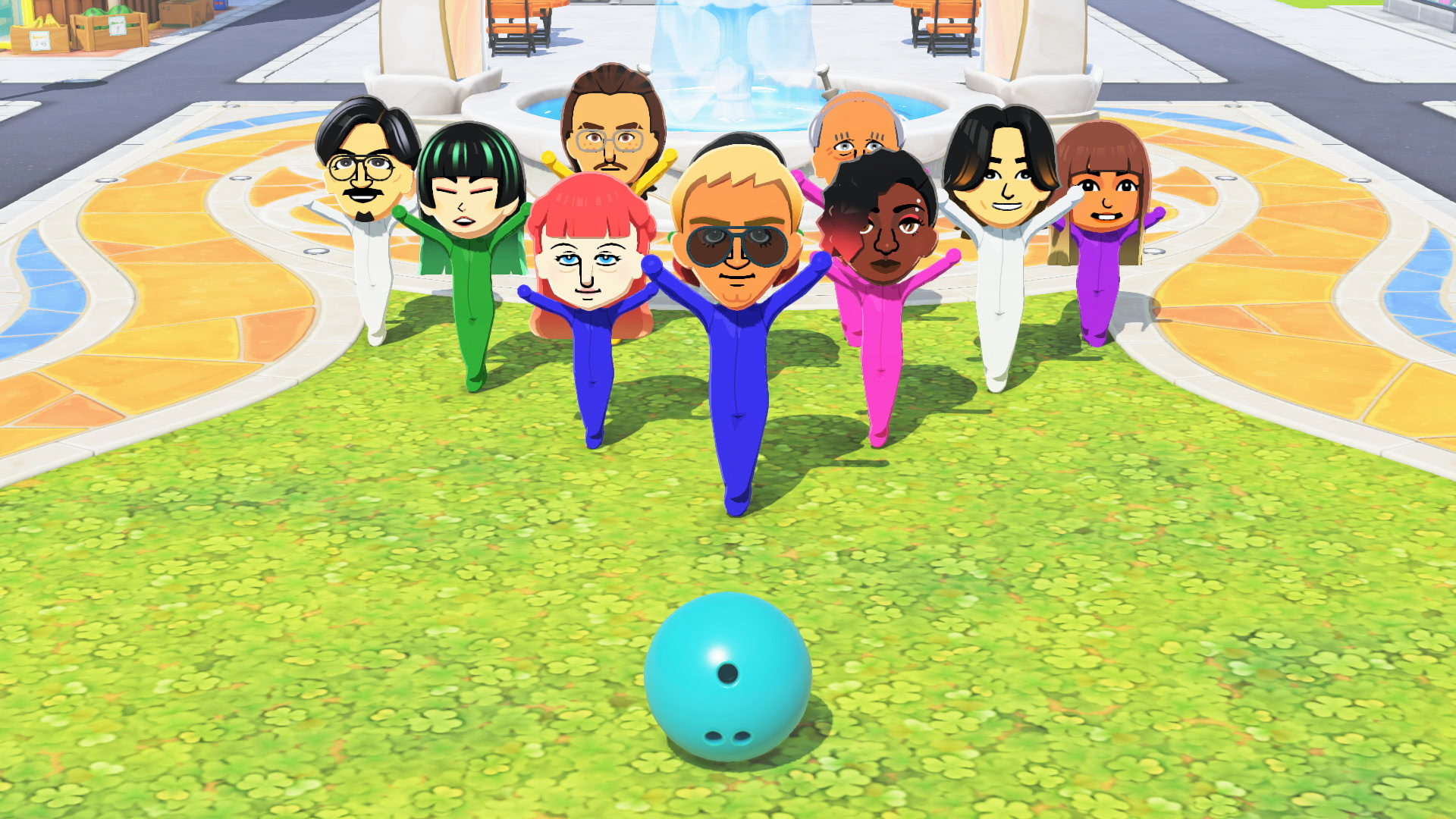
Also, island design itself is handled exceptionally well. Miis might ask you for specific things, which you can then spend a few dollars to make happen after they show you a preview. Quik Build Amenities lets you buy specific items to place. You can also use the terraforming function to rearrange things to your liking. Personally, I waited until I had about 20 people living on my island and facilities unlocked to start rearranging things, but the nature of it and options mean you have the freedom to do a lot of detailed positioning. Miis can also be dropped onto these items to interact with them, such as with benches, which is again appreciated.
However, the thing that bothered me most are the various limitations on things. Tomodachi Life: Living the Dream is a very screenshot-able game, due to the outlandish event scenes, unusual conversations, and things we’re capable of with the Mii creator and Palette House Workshop. However, we can’t use the app to share them like we do with other games. You need to really get into it and use a USB-C cord to go into Data Management and pop them on a computer. Likewise, in past games we could easily pop friends’ Miis and import them. While that is possible, it’s only over local wireless. So even though there are so many amazing creations out there, we can’t just use the internet to quickly swap. I get why, but that restriction sucks. People are already trying to mitigate that somewhat with sites like TomodachiShare, but it’s such a hassle. So much so that if we had been able to swap Miis online or more easily share screenshots and videos, I think I would have considered this a 10/10 simulation.
Tomodachi Life: Living the Dream builds on the previous entries in the series, with Nintendo crafting a simulation that goes above and beyond with customization elements. It’s as silly and joyful as past games, while letting us basically build the Mii island of our dreams. Minigames can be a hit or miss, especially when it comes to ones that keep proposals from going smoothly. Plus the walled garden nature of it makes it so difficult to share that with others. Unless you can actually manage to meet up with people for local wireless, there’s no way to swap, and it’s a shame that there are extra steps tied to sharing moments. Still, aside from it being locked down, it’s lovely.
Tomodachi Life: Living the Dream will come to the Switch on April 16, 2026, and a demo is available.