


 By
By 
I love the Blue Reflection games. I adored how the original console titles handled the magical girl concept, depicted relationships between characters, and didn’t shy away from showing how individuals worked through difficult situations. I am so glad more people will get to experience the first game and Second Light sequel through the Blue Reflection Quartet collection. The problem is the portions focusing on the Blue Reflection: Ray anime adaptation and Blue Reflection: Sun mobile game don’t do the best job of telling those tales.
In the world of Blue Reflection, there exist magical girls known as Reflectors who can enter the Common to deal with people whose emotional states put them in danger. They deal with the enemies within, purifying and gathering fragments. The first game involves newcomer and recently injured ballerina Hinako working alongside established established Reflectors Lime and Yuzu to defeat Sephira and build ties with those around her to prevent the end of the world. In return, she’ll have a wish granted. In Blue Reflection Ray, Red and Blue Reflectors find themselves fighting against each other for differing goals, with people’s emotions at stake. Blue Reflection Sun, the only entry with a blank-slate male lead, deals with the falling upon Ash upon the world and Eroded (Reflector) characters facing the Testa to prevent an apocalypse and provide some safety. Finally, Blue Reflection: Second Light takes place after the end as Ao and other young women and Reflectors dealing with amnesia find themselves working and living out of an abandoned school and exploring strange spaces and locations that appear outside of it for answers and a way home.
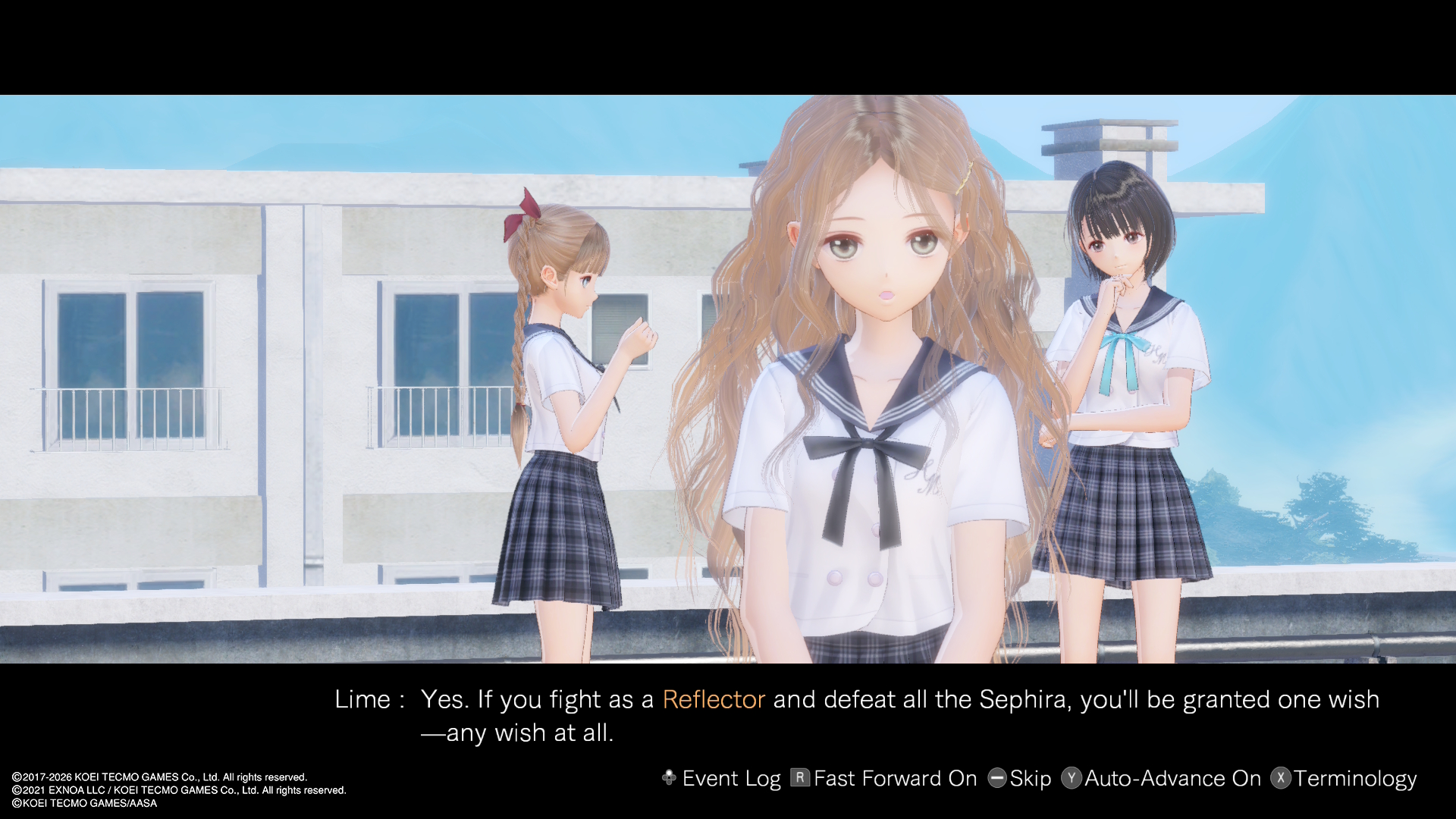
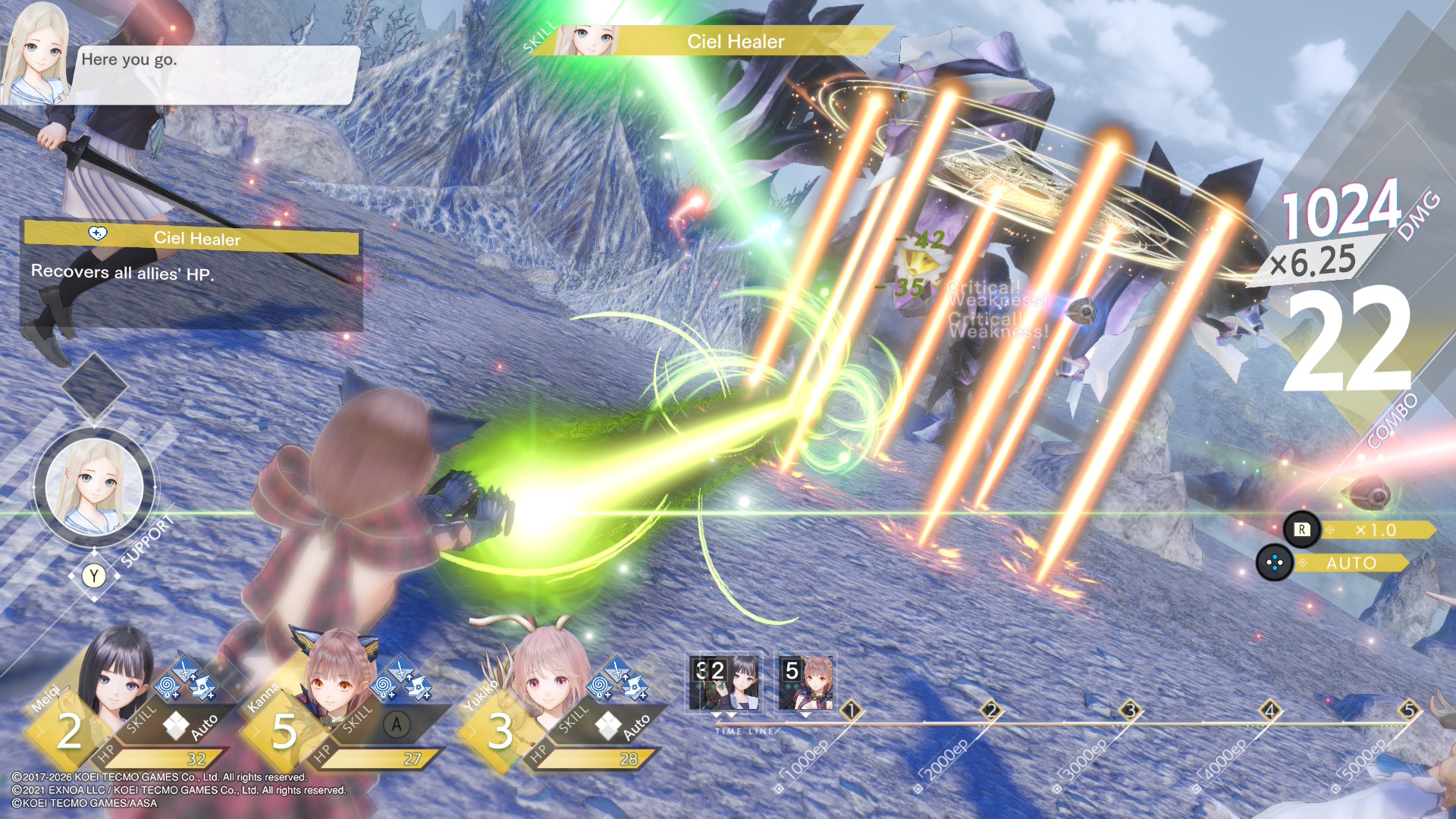
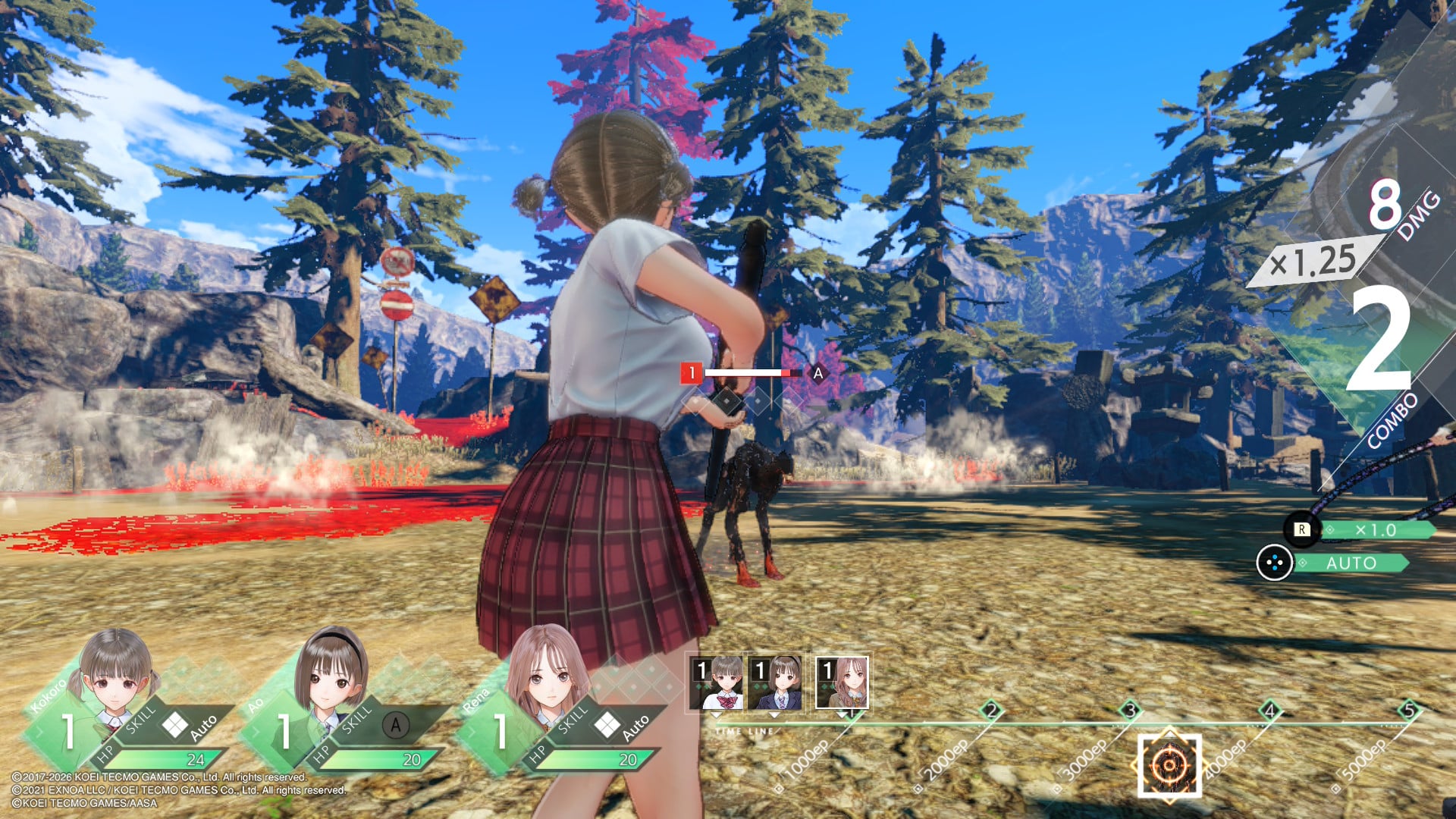
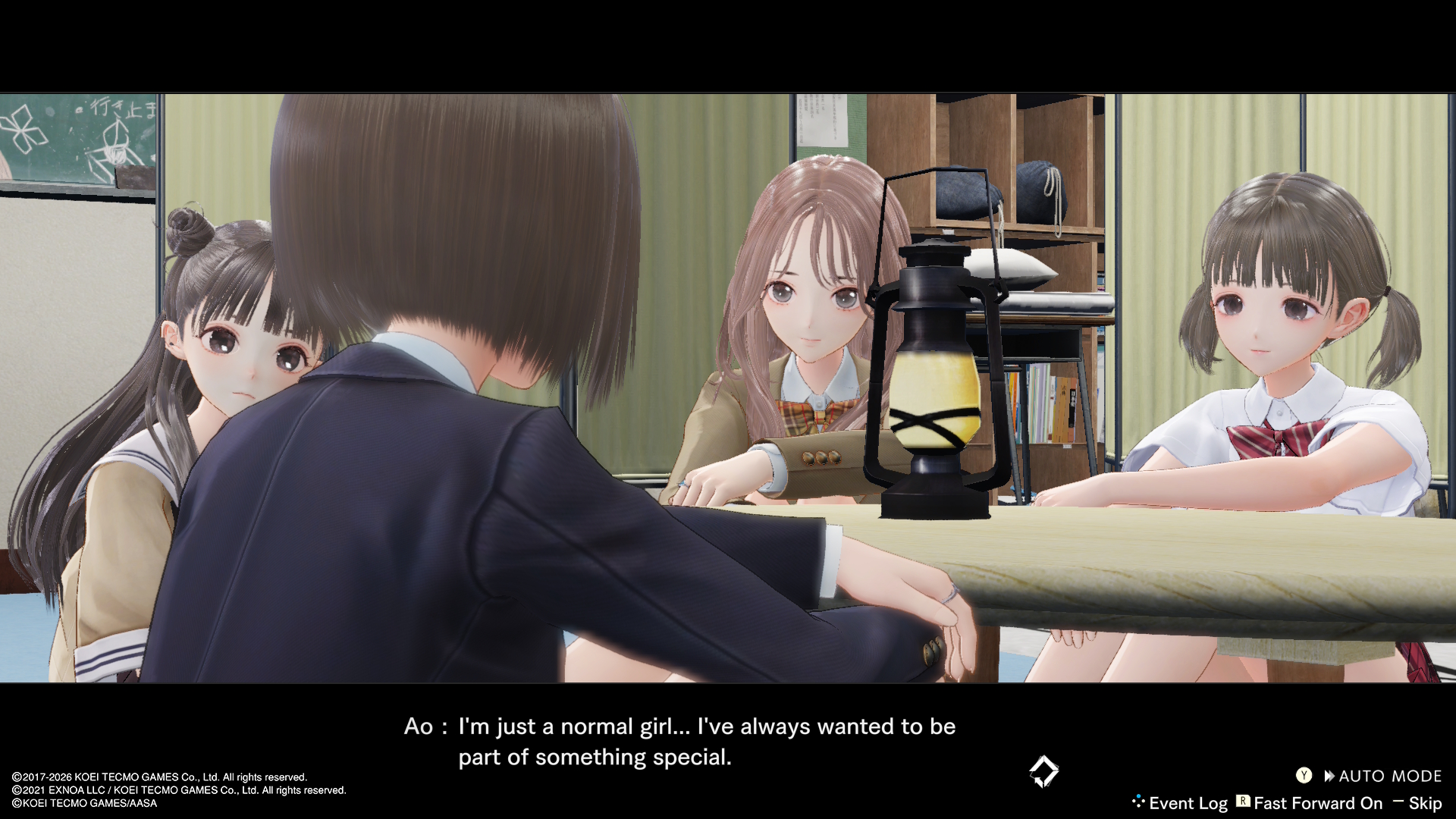
The Blue Reflection and Blue Reflection: Second Light adaptations in the Quartet game collection are generally great. The first game’s battle system is a bit slow and basic, but the story is fantastic, characters are great, and ambiance is on-point. The second builds things up a bit more with more dynamic combat that rewards combos and the weakness-exploiting strategy system to be more active and strategic. Its story is also quite strong and does a fantastic job of tying up all of the previous games together. (Hence it having the Tie subtitle in Japanese.) The updated character models and environments looked fine enough on the Switch 2. It also played smoothly too. Both of those JRPGs are worth playing, especially since they feel so unique.
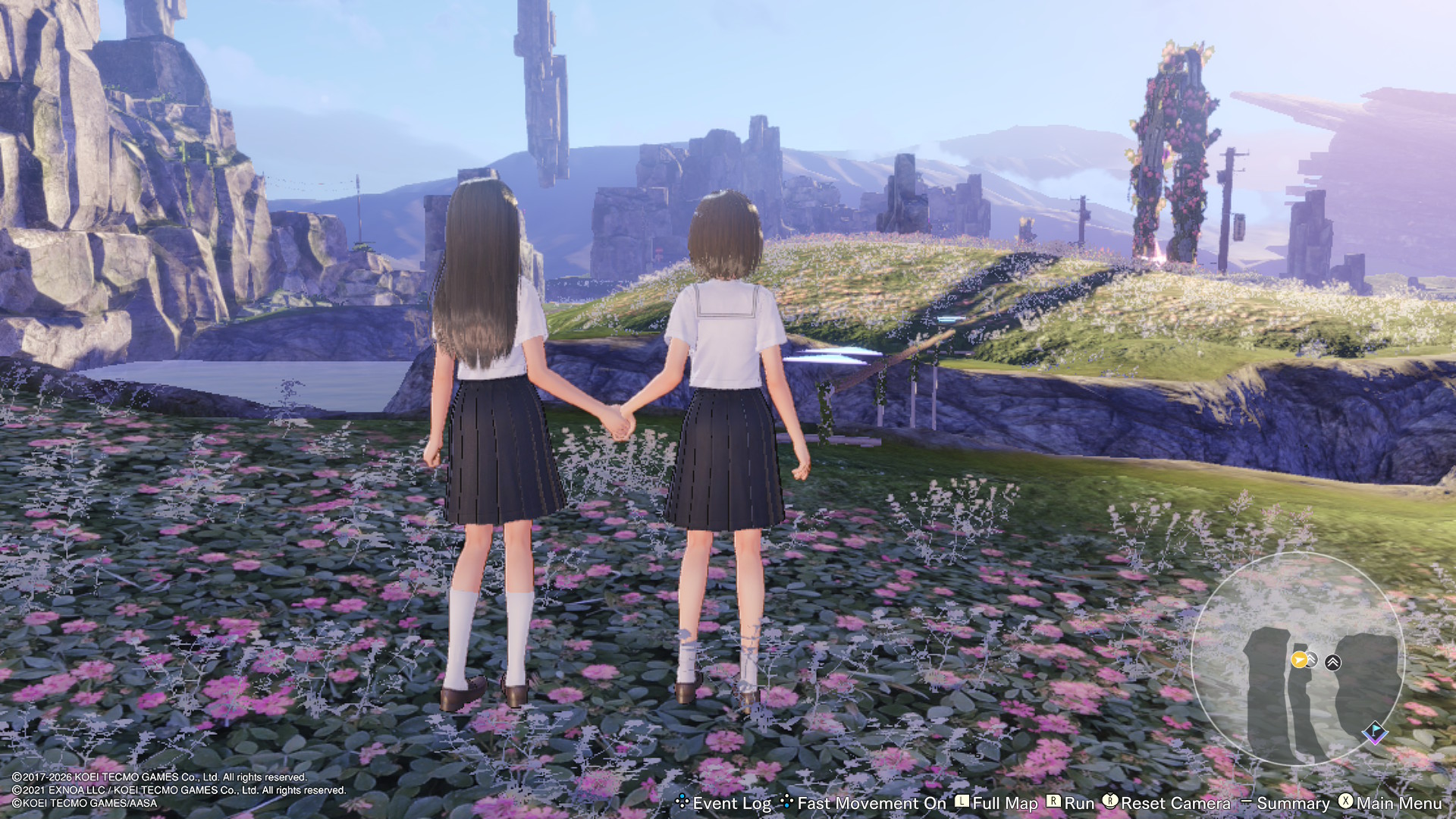
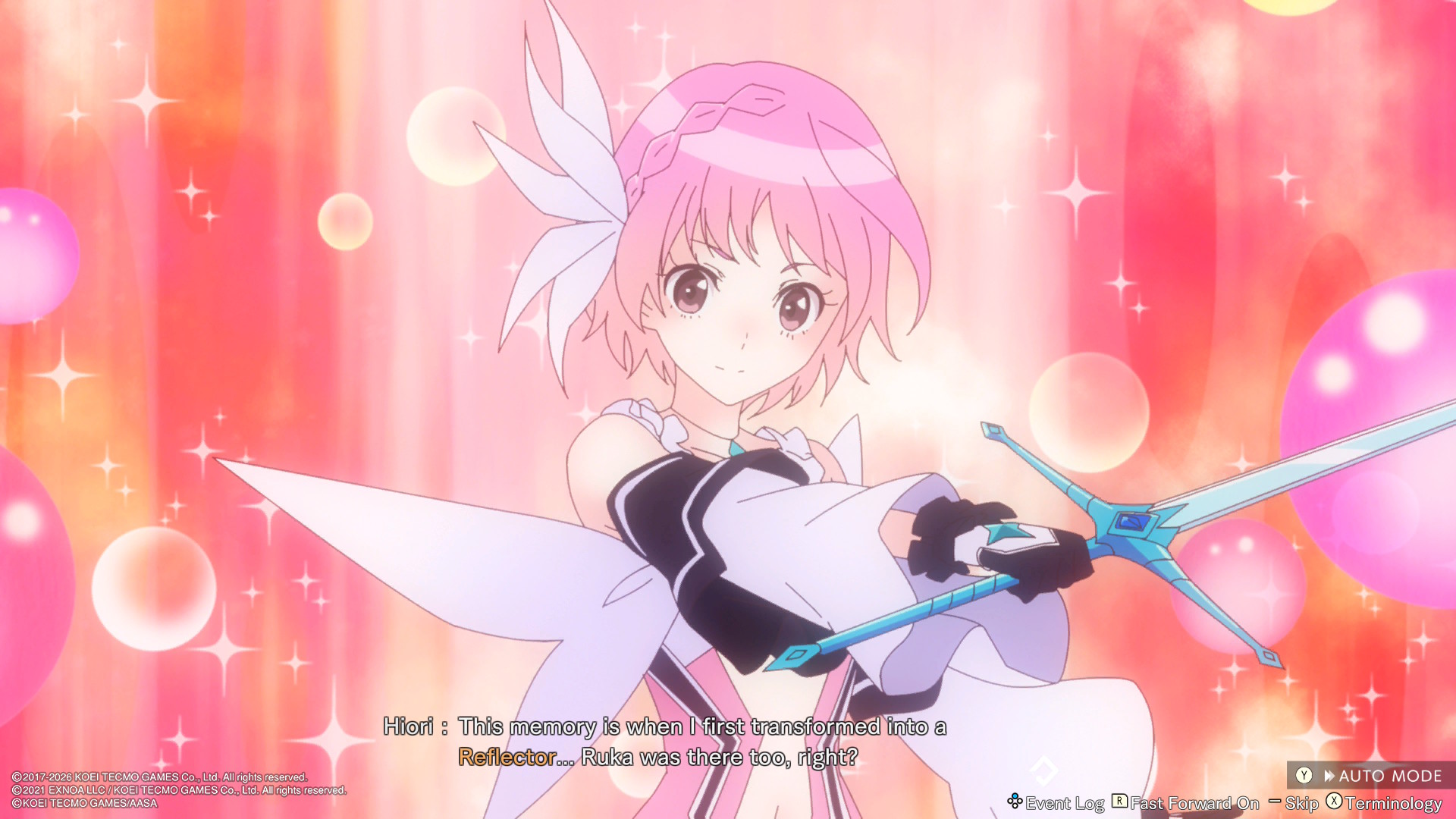
The Blue Reflection Ray adaptation here is absolutely atrocious, unfortunately. Not enough for me to say, “Don’t buy this compilation.” It’s a bad walking simulator that does a terrible job of telling the story, introducing the characters, and conveying information. It sort of begins in medias res, with us seeing Hiori and Ruka confronting Shino in the Common after major plot points and twists happened. Then, we walk around a space grabbing fragments that tell us about what happened and sometimes show us stills from the anime. Except those are disjointed, out of order, and abbreviated, never really giving us enough to go on and understand. I know licensing issues, what with J.C. Staff, Crunchyroll, and such might have been a nightmare, but I think I’d have preferred the first episode of the show being packed in instead of what we got.
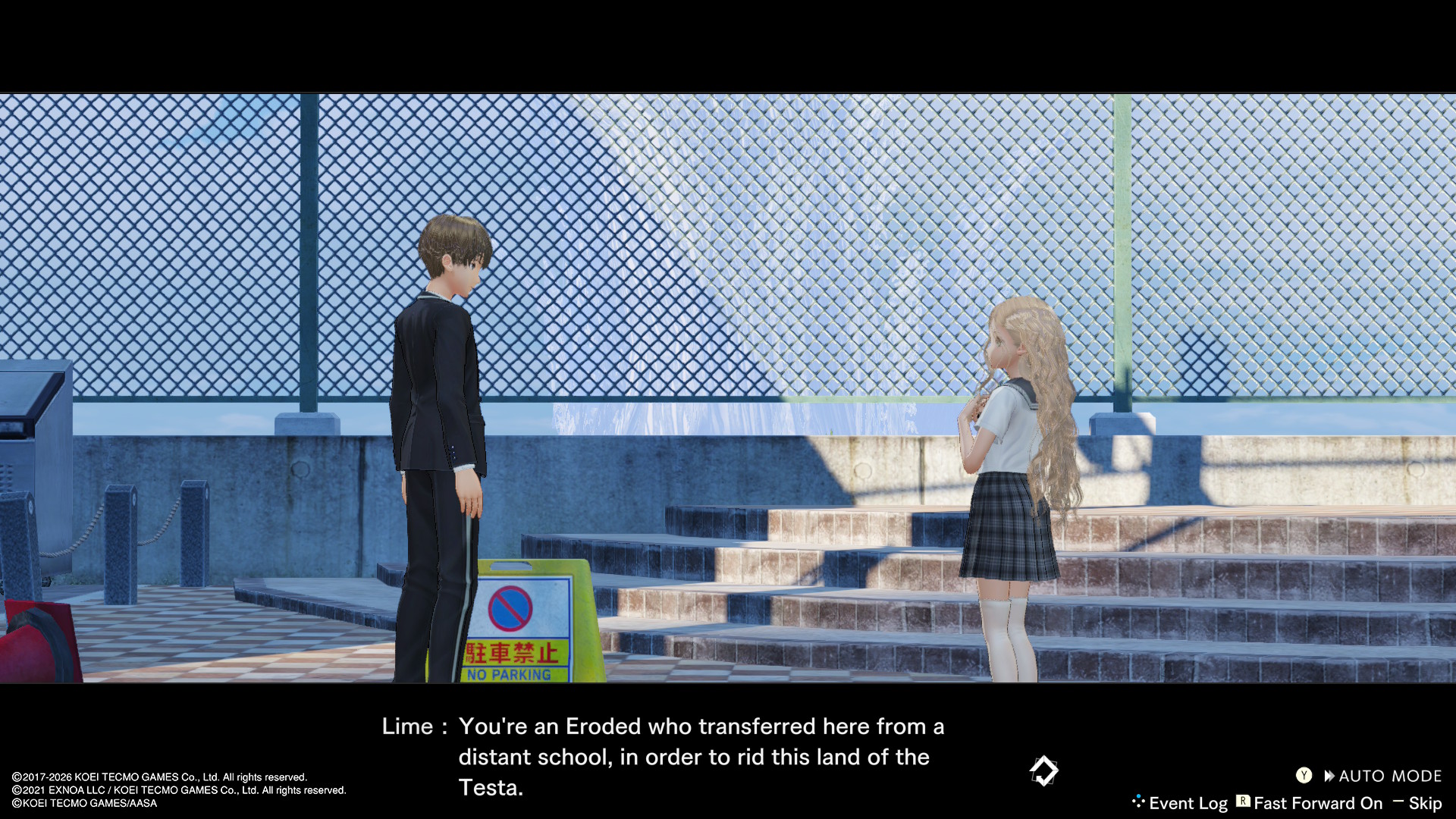
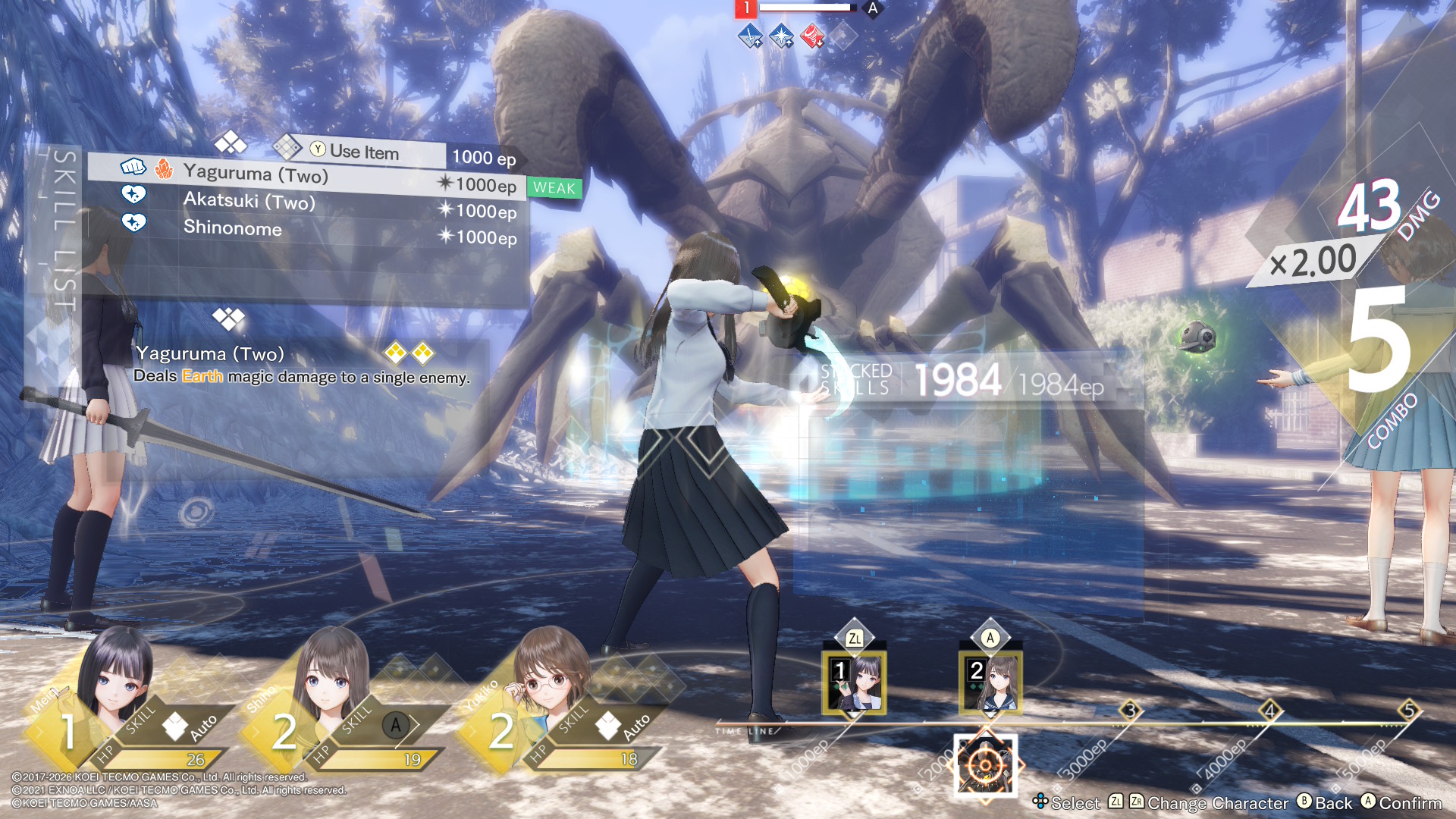
Then there’s the Blue Reflection: Sun segment that, while not as egregiously truncated as Ray, isn’t the best example of what that mobile game was. It actually involves actual movement around a school, in-order story scenes, optional opportunities to talk with the cast, and combat segments against Testa (primarily the Queen bosses) using the Blue Reflection: Second Light combat system. Some of the meat behind interactions is absent, so the character development doesn’t feel as substantial. The player-character avatar also is essentially a cardboard cutout for some characters (Uta) to possibly flirt with and others to call “big brother” (Kanna). Given this part of the series is otherwise completely absent, I’m more okay with the corners cut here. From a preservation standpoint, I’d call it good enough. Especially since the alternative is oblivion. At least it can actually be entertaining to play through and enlightening, due to the ties to Blue Reflection: Second Light, even though encounters feel like can’t lose situations.
Blue Reflection Quartet is absolutely worth it for the original two console games, but the adaptations of the Ray anime and Sun mobile title aren’t as strong. The two mainline releases both feel wonderful to play, look great, and still tell relevant stories. This take on Blue Reflection Sun isn’t terrible, but it lacks punch and attention to details. The Blue Reflection Ray segment is so poorly handled that it’d really be better and more entertaining to watch the anime on Crunchyroll instead.
Blue Reflection Quartet is available for the Switch, Switch 2, PS5, and PC.
We may earn a commission if you purchase from certain links. Learn more here.