


 By
By 
The My Hero Academia anime and manga are over. We got closure. We saw the Final War Arc. Now the games are catching up with My Hero Academia: All’s Justice, the latest entry in the series of anime 3D arena fighters based on the property. While each one featured UA students, Pro Heroes, and League of Villains characters and opportunities to go through major moments from the story firsthand, my time spent with a preview for this entry seemed to really hammer home that this is about experiences from every arc, recreating certain moments in the “VR” space as “training” missions, and seeing glimpses of characters at happier times with Hero Diary missions. It seems mostly solid, though one Hero’s Diary point with Minoru Mineta is one of the worst experiences I’ve ever had with a jumping task.
Now, when I say My Hero Academia: All’s Justice is about experiences, I mean it is showing you what Quirk life is like from various angles. There are two parts that feel like takes on traditional campaigns. Story Mode feels like the typical campaign from the original games, broken up into segments divided into arcs, with each moment either being a typical story scene set up like a comic or a fight. This feels pretty much identical to the similar experiences in the past My Hero: One’s Justice titles. Team Up Mission is set in a virtual city worked on by Mei Hatsume, where you go through a scenario with set characters. So in one situation, I had Izuku Midoriya (One for All), Koji Koda, and Fumikage Tokoyami training with Shota Aizawa in “Confronting the Formidable,” dealing with a Tomura Shigaraki escape and influx of Nomu along the way by going to certain spots around the city to recreate parts of that moment and battles. (In some situations, Aizawa even “played” the part of Shigaraki.) That feels a little more inventive! One of the segments did seem to send us to spots that seemed a little far apart to be related as one-after-the-other moments, but it still worked. The fact characters don’t automatically heal after major battles tied to parts of the mission is a bit frustrating, especially since you are penalized for all three characters in your trio falling in a battle with a lower score if you retry instead of restarting from a checkpoint.
Then, there are the shorter experiences in My Hero Academia: All’s Justice. I’d consider the 1P vs CPU Battle mode a bit like that, as it lets you set up a custom match with characters you want. Hero’s Diary is the true, more relaxed sort of example of that kind of moment though. Different characters, such as Eijiro Kirishima, Mina Ashido, and Minoru Mineta will appear in a handful of quieter moments that can involve talking with other UA High students or Pro Heroes, engaging in a shorter and friendlier fight, a jumping platforming challenge with Mineta attempting to reach a building roof before time runs out, or a situation like helping Ashido find cats that aren’t very well hidden. It feels like it’s designed to be a chance to show relationships and the potential heroes as more ordinary teenagers.
In each of these My Hero Academia: All’s Justice moments, the combat works basically exactly as it did in past My Hero: One’s Justice. It’s a 3D arena fighter, so you’re able to move around a 3D space. Environments can be destroyed as you fight, and you might be able to jump on top of certain elements. Likewise, hitting cars could cause them to explore after a period to damage anyone near it. Characters fight with standard hits and attacks based on their Quirk super powers. There’s a Normal Control option for easier combos and skills and Manual Control that involves specific inputs. A Plus Ultra special can be charged up via a meter to used, and another meter allows you to using Rising Action to temporarily power up your character for different moveset adjustments and increased strength. It works fine. I did wish Rising Action wasn’t tied to the right Joystick we also need to move to evade, since once or twice when I went to dodge I accidentially triggered it, but it’s fine.


This isn’t to say that the My Hero Academia: All’s Justice preview went flawlessly. I notices the VR version of the city hub area chugged a bit when wandering around it on a handheld gaming PC, even though battles and story segments ran fine. This was mainly an issue when not in any dedicated mode, but it did come up a few times when moving between areas or encountering a random battle during points in a Team Up Mission segment. It also became a problem if I paused the game or stopped moving for a bit to take notes, then returned to it, as things seemed to crawl during that time when I wasn’t moving or fully present unless I exited and reentered the mode or fight. This is an issue I could see being patched, since this was an earlier build.
The real issues came up during two activity segments. In one portion of Team Up Mission, there were chase scene portions that involved getting the character who was my active avatar from one point to another within a certain amount of time or without losing track of an escaping foe. I couldn’t find a way to actually run during these segments. So it just… involved Deku leisurely speed walking through city alleys as he went through yellow indicators or wandering through an obstacle course as Shota Aizawa, who did seem able to run, played a certain escaping villain ahead. It wasn’t fun, just tedious. Again. Maybe it could be patched? The playtest I went through was in the thick of things, so there could have been a trick to it.
But I can only describe a jumping minigame challenge in a Hero’s Diary Minoru Mineta segment as hellish in this build, and I don’t see how it could be fixed in the final version of My Hero Academia: All’s Justice. During a portion called “Beyond that Wall,” Tsuyu Asui challenges him to use his sticky balls from Pop Off to scale a building. We get 70 seconds to do so. If this was just a straightforward run up the building to hit the goal task, it’d be fine. It is not.
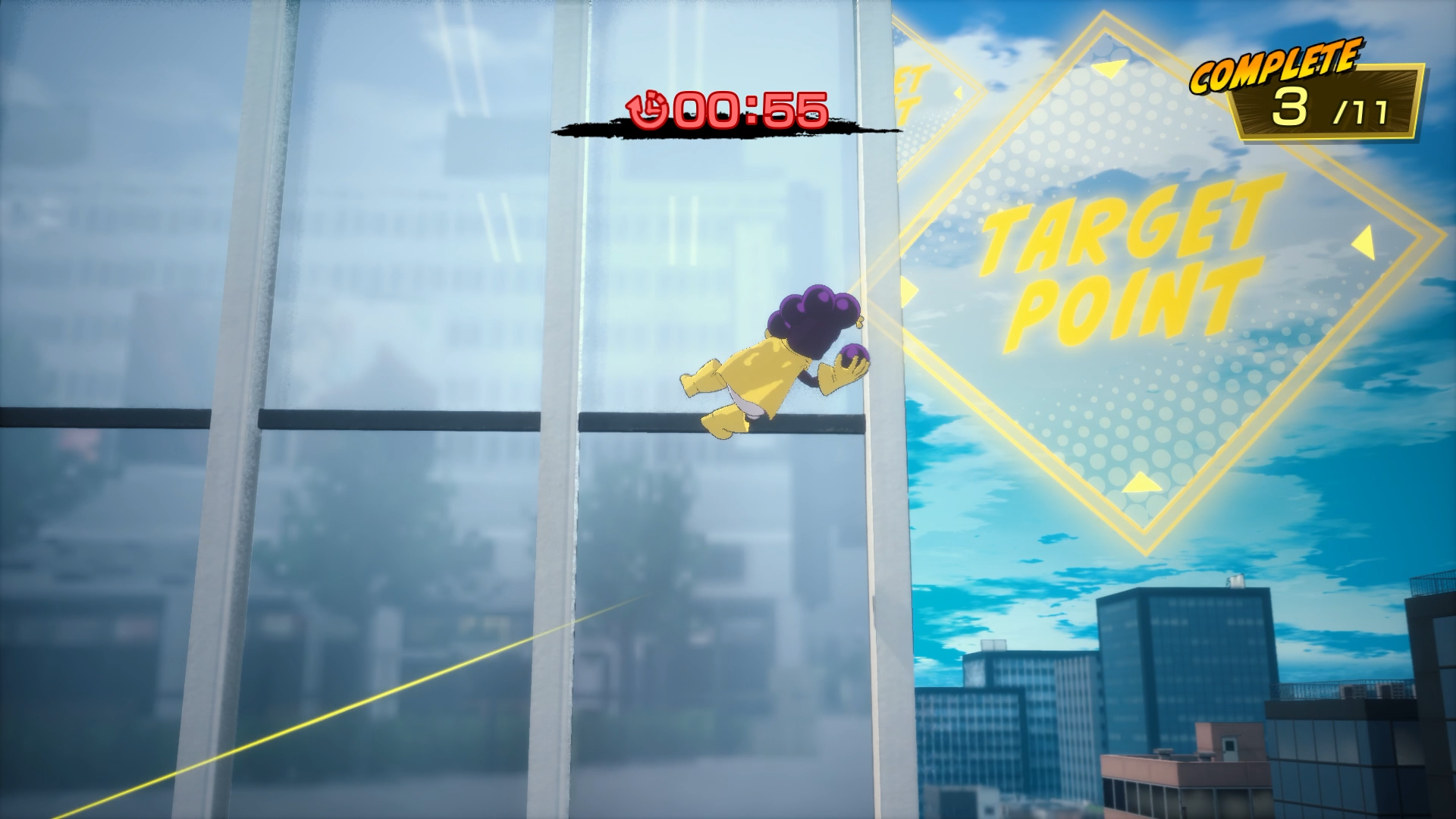
Mineta doesn’t traditionally “jump” like other characters. As you move him toward the sticky ball on the wall, it propels him up, and you need to quickly place the next one so he keeps upward momentum. Timing is critical!
Except you can’t just go straight up the building wall. You need to circle it in a 360-degree fashion, passing though 11 checkpoints along all sides of the building before finally reaching the roof. This means using the same brief movement window to also shift right, placing the sticky ball in a spot for later, all so you can touch the next checkpoint. I spent eight tries attempting to do this, and I only hit the 10th checkpoint at the end. I gave up, because it simply wasn’t fun.
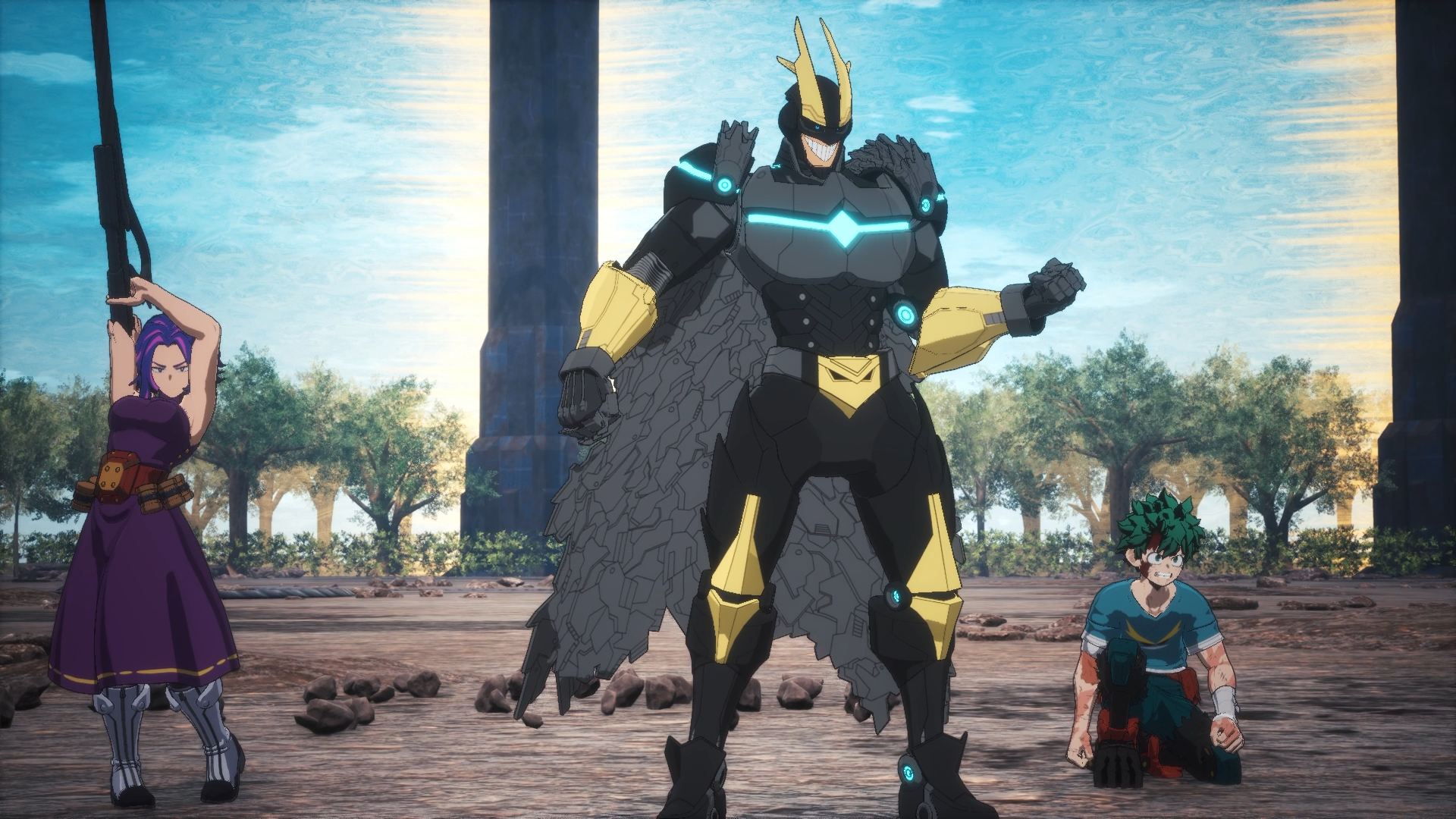
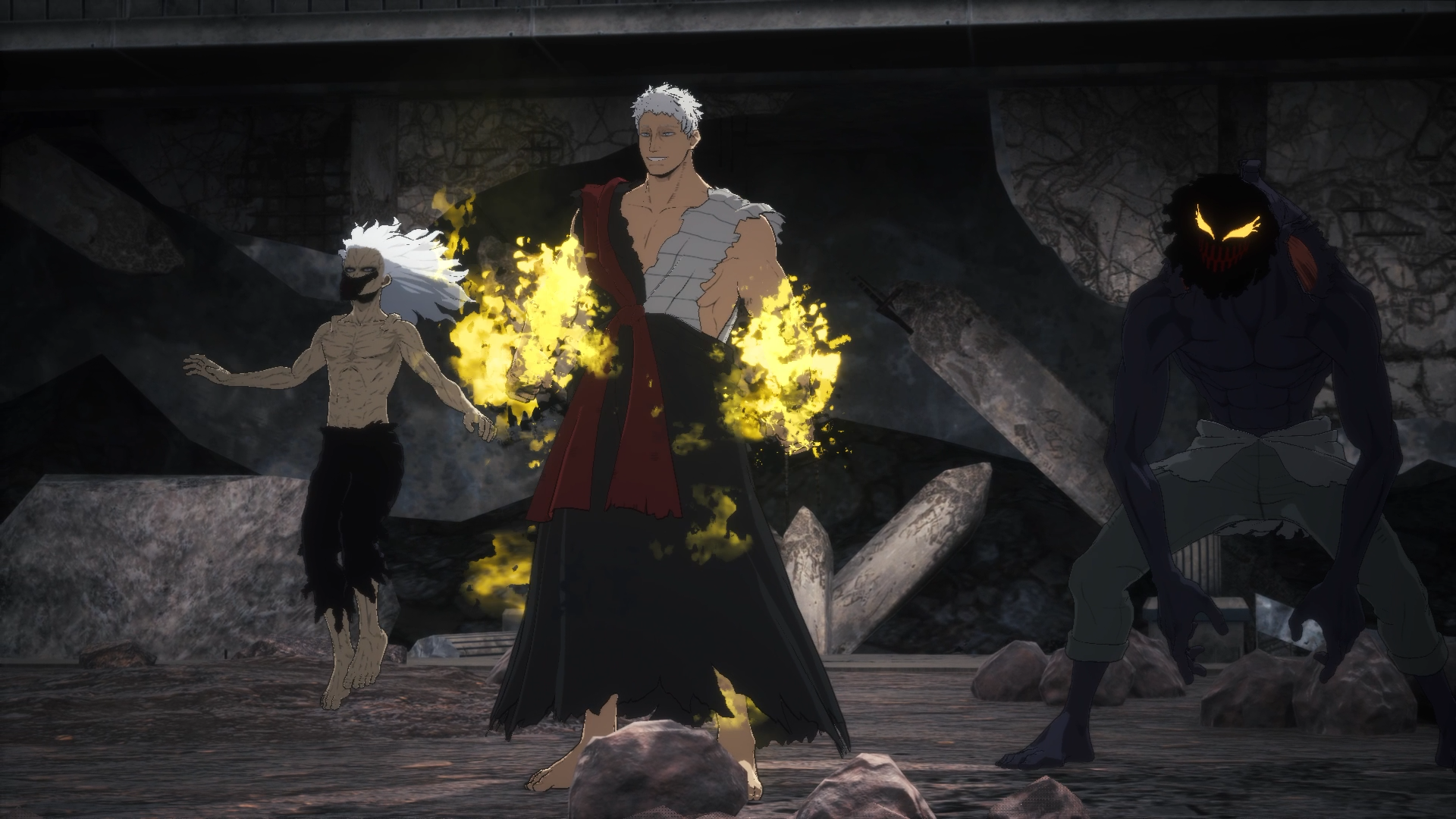
My Hero Academia: All’s Justice absolutely felt like it was building on the My Hero: One’s Justice formula during my preview session. Only this time, it feels a bit more geared toward different types of experiences from various angles. This includes a complete take on the story.
My Hero Academia: All’s Justice will come to the PS5, Xbox Series X, and PC on February 6, 2026.