


 By
By 
I played the hell out of Omega Force’s Dragon Quest Builders 2. As in, I made additional towns on my private island and set up an underground subway system to connect different spaces. Loved the game. While a totally new thing in many ways, I can tell Omega Force’s Pokemon Pokopia will trigger the same kind of response and expect it to consume hundreds of hours of my life. There’s so much to this game, to the point that I don’t think Nintendo’s trailers and Treehouse: Live did it justice. Referring to Pokemon Pokopia as “Pokemon Minecraft” would do it a disservice. You need to experience it to understand what this spin-off offers.
Something terrible happened to what appears to be an entire region. All the humans are gone, and their cities are left in ruins. The land seems stripped bare, with vegetation dying and obvious landslides and collapsed areas. We awake as a Ditto who emerged from a Poke Ball and who missed their trainer so much that they replicate their image. We encounter a lone Pokemon named Professor Tangrowth. This marks an opportunity. Between the Ditto’s human-like appearance and ability to replicate other character’s special moves and the professor’s intelligence, they work out a plan to restore habitats and locations to get Pokemon to reappear and revitalize things, perhaps learning what happened to the world and humans along the way.
While most people might jump to “Pokemon Minecraft” with Pokemon Pokopia, it’s not entirely accurate, as it is much more comparable to both Dragon Quest Builders 1 and 2. This is primarily due to the narrative elements found throughout the game, but also the quest structure, interactions with characters, and building and furniture design elements. There is a clear point to Ditto’s experiences and explorations. Though the trailers ahead of launch might not always have made it clear, there are quests. The Pokemon we meet talk to us. Certain NPCs along the lines of Professor Tangrowth carry weight.
Not only that, but there are other means of gathering information and lore that help shape our experiences in Pokemon Pokopia that help it feel richer than a game like Minecraft. One is through the Pokemon themselves. Each one of them will grow closer to us and become more comfortable with their environments via our interactions with them. We learn about who they are, receive gifts, and gain aid from their abilities by taking the time to find and interact with them. Exploring on our own is also helpful, as written texts appear in various places. Encountering these grants us opportunities to learn more about the world. Not to mention the ruins themselves that we see seem to tell their own stories via careful placement and Omega Force’s construction choices.
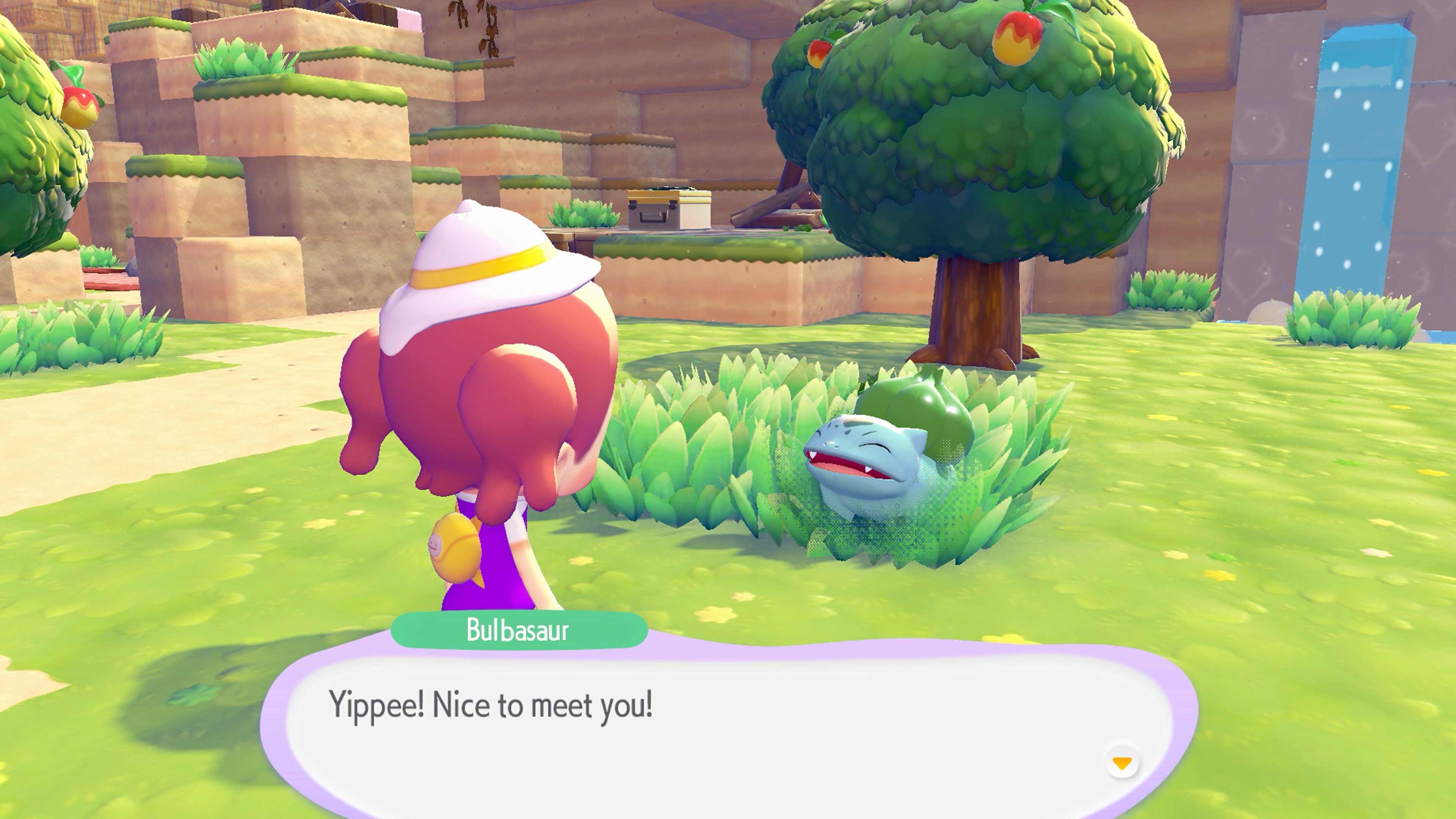
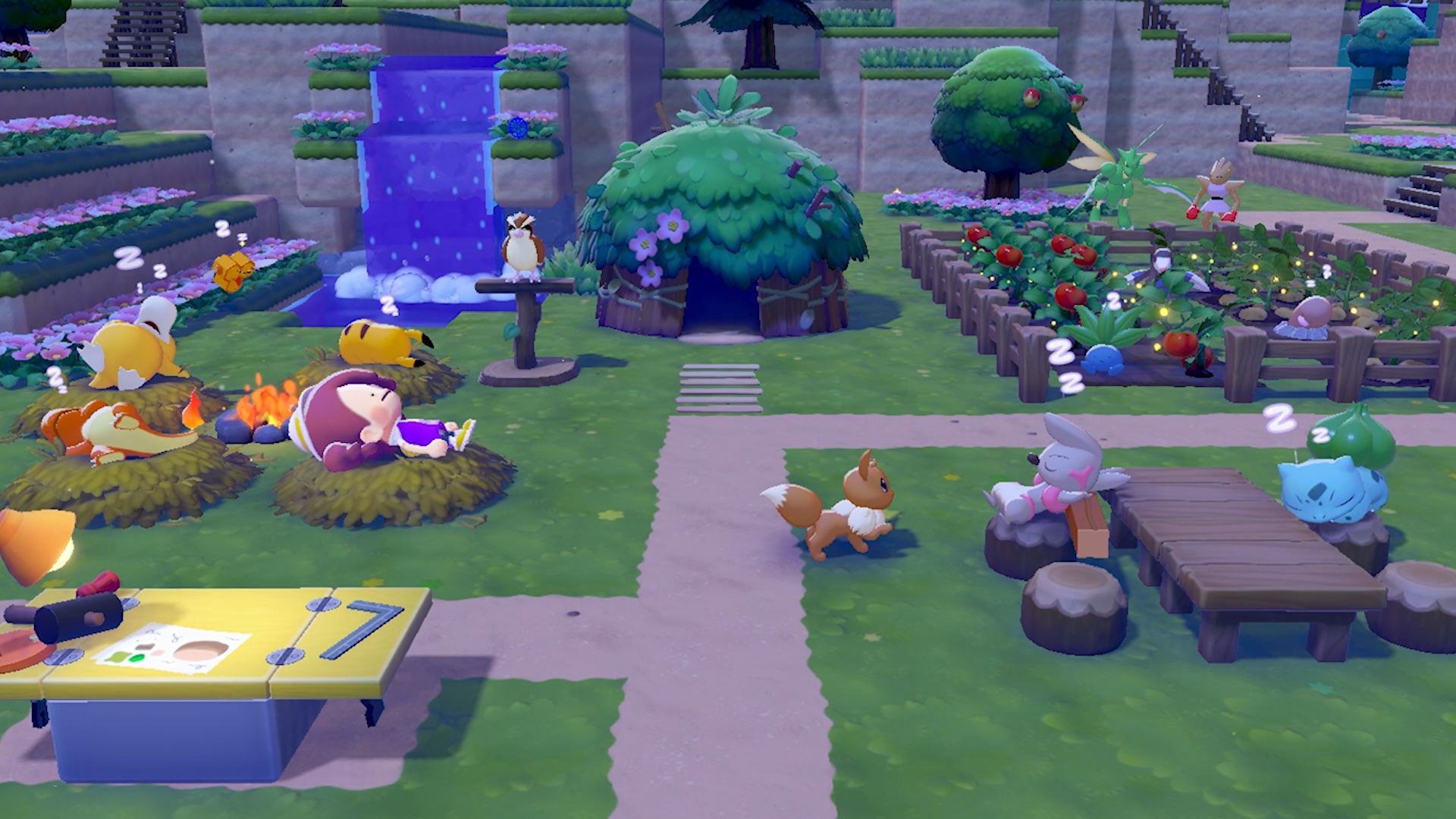
The terraforming and building of elements of Pokemon Pokopia do feel more similar in nature to Minecraft, but again also feel like a natural evolution of the Dragon Quest Builders blueprints system. You can freeform build, with the ability to hold the ZL button to strafe back and forth or or move the D-pad to shift block positions. There are lots of block recipes and types and architectural parts to use for those more direct creations. However, there are also times when you’ll get a kit that you plop down on a certain X by Y rectangular space or a set mission that involves bringing certain numbers of materials like lumber and stones and specific Pokemon to take part in the building process. (You do need to get takedown kits to move them.) While the hands-on approach is done immediately, these other assignments can involve quests that require you to find certain Pokemon and take place over actual real-world time before they’re complete.
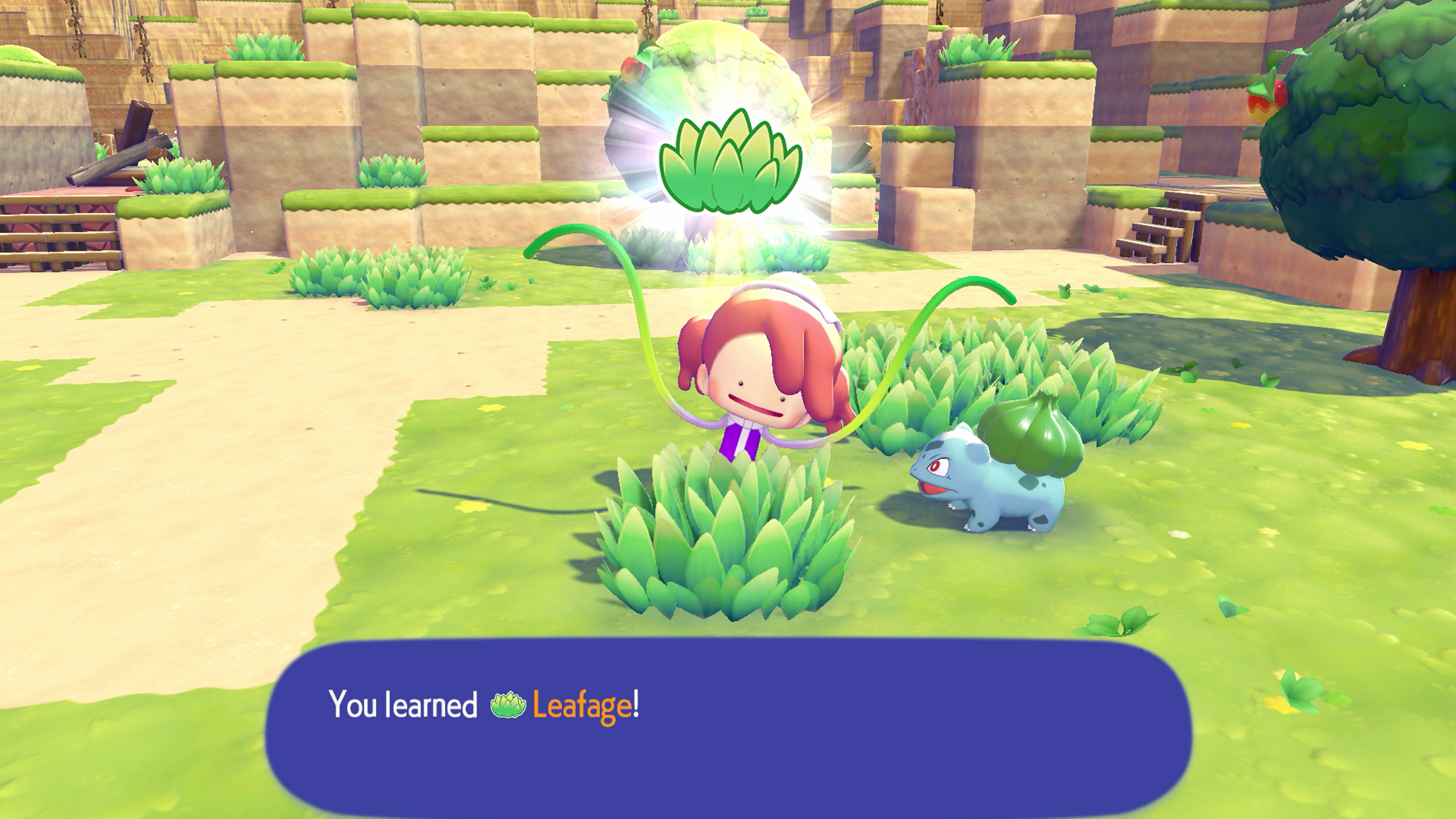
Another building and creation element involves the habitat system in Pokemon Pokopia, a brilliant feature that plays into the way we discover the characters in the wild in mainline games. Each creature has a type of environment they favor. By changing the environment via using Ditto’s learned moves like Leafage (grow tall grass), Water Gun (hydrate dilapidated areas), Rototiller (till ground), or Rock Smash (destroy blocks or items), and placing certain crafted, found, or purchased items, you could lure critters back to the community. It’s really easy to find new combinations, thanks to occasional hints in the world, tips you can purchase, quests, and simple experimentation, and satisfying since quite a few habitats can be attractive to multiple types of characters or might attract new folks under different conditions.
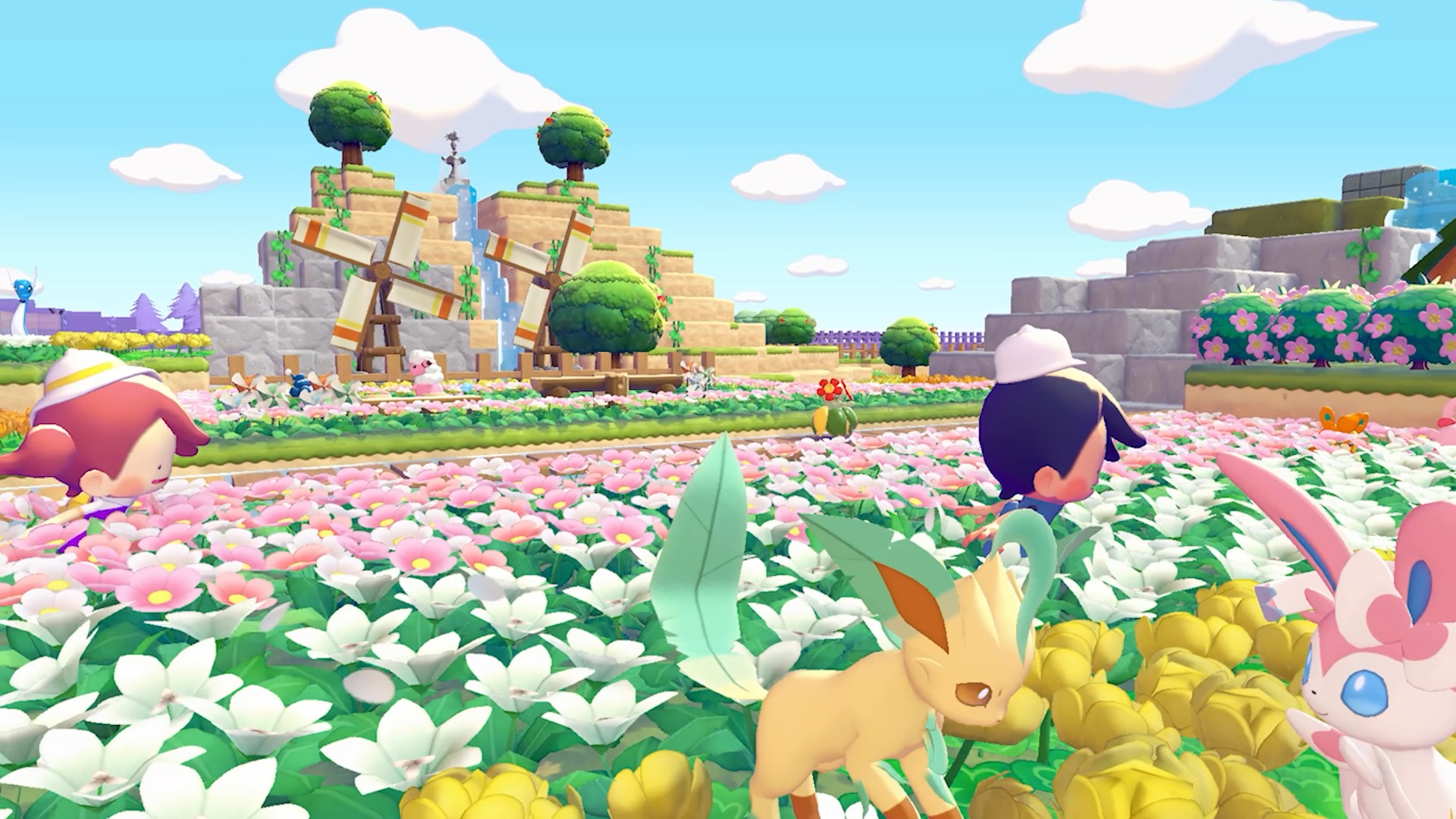
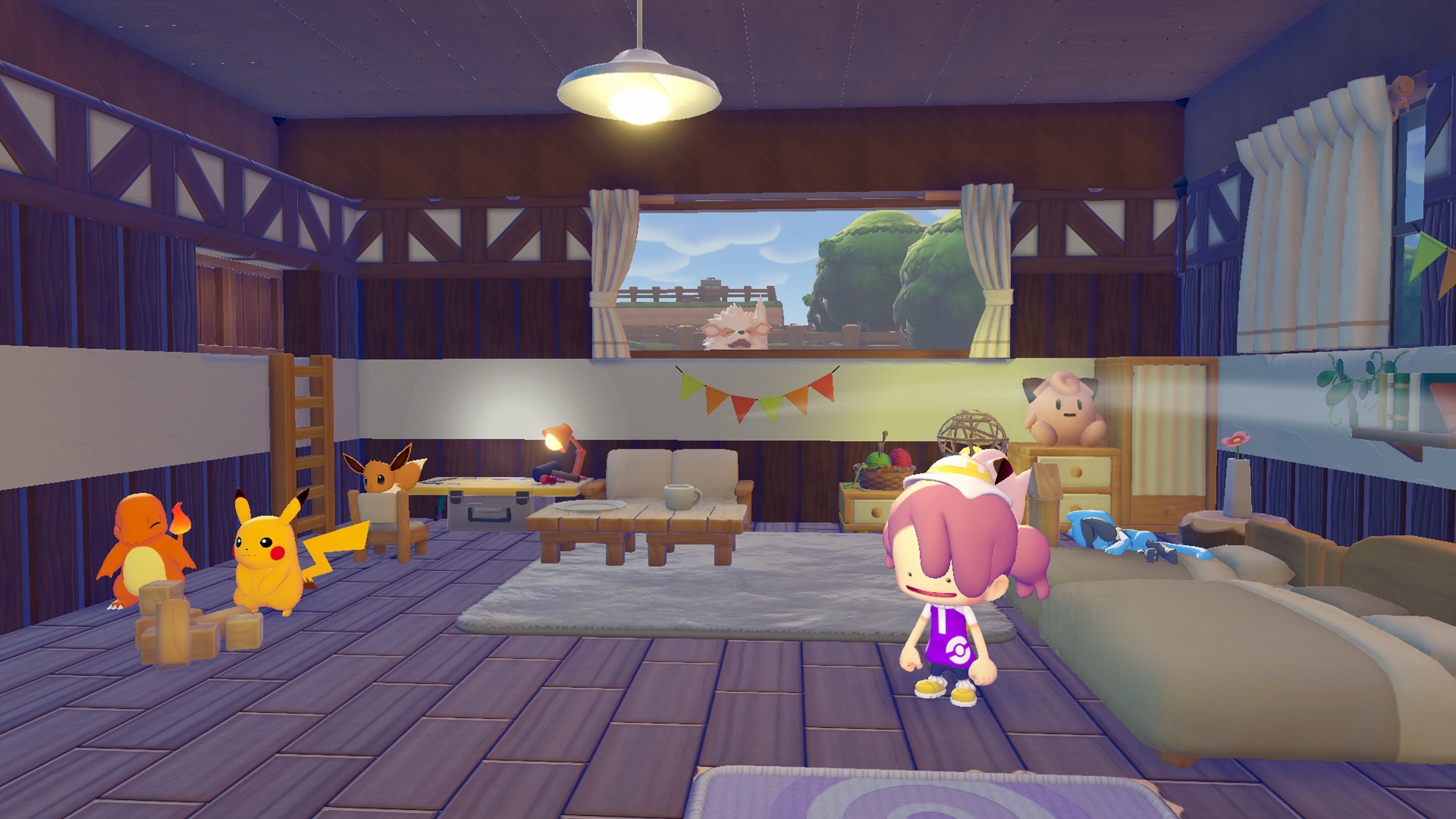
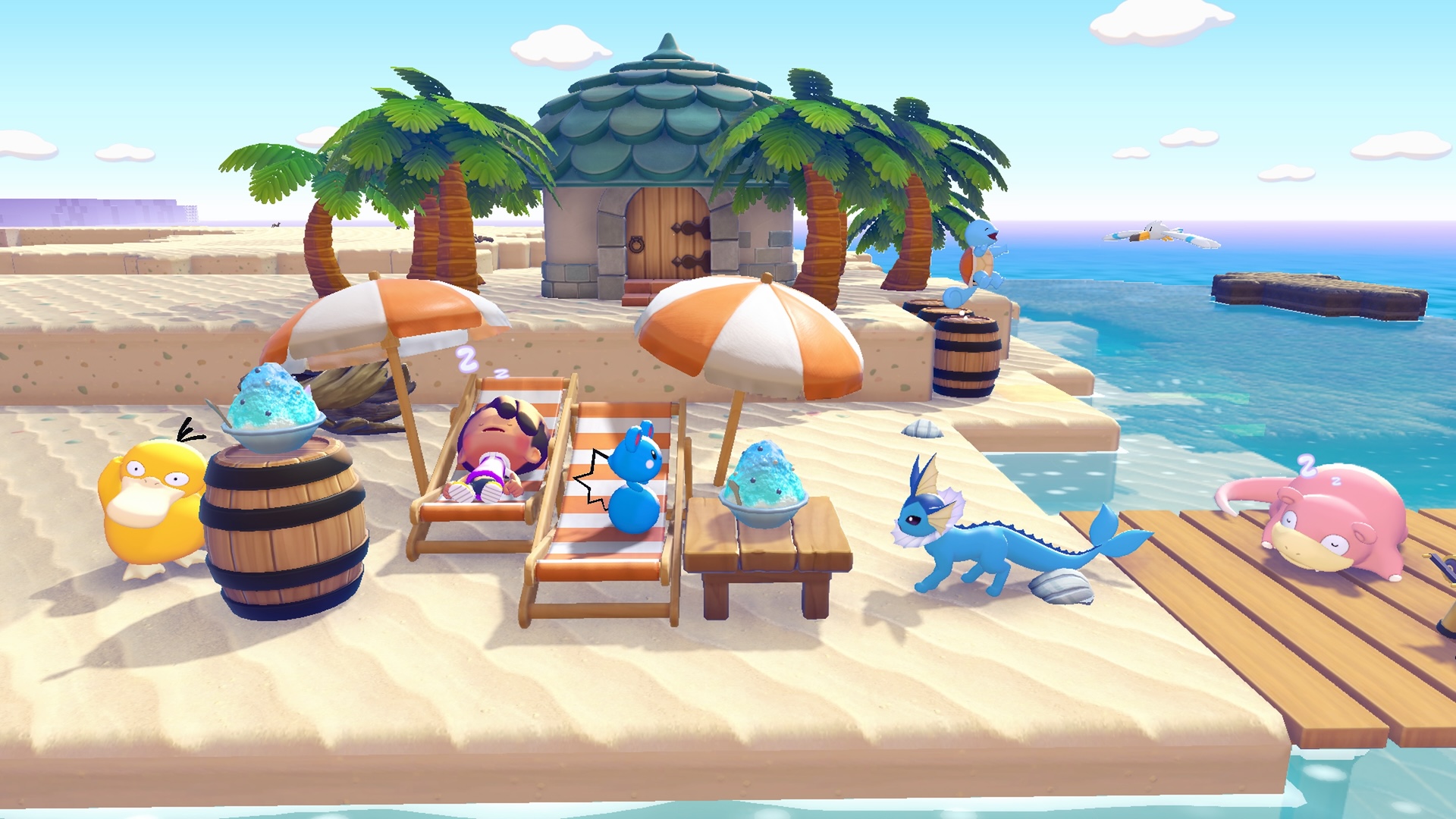
Decorating and customizing itself also feels fantastic, especially since the pacing is such that you unlock access to new areas (and their new Pokemon) regularly. There are so many things you can craft and buy, and finding new Pokemon, making them comfortable, and making regions you gained access to more attractive all means unlocking more recipes, quests, and shop areas. As your Trainer Rank goes up in turn, you’ll be able to unlock gates that grant access to new areas, more potential Pokemon, and additional insights. In fact, I found so much to do in the first few hours that I needed to force myself to halt progress when rebuilding the initial Withered Wasteland area and helping its residents and advance the story so I could get through the game and properly cover it. Pokemon Pokopia invites you to be leisurely, creative, and neighborly.
There’s only one quirk to Pokemon Pokopia that left me frustrated, and it is that it can sometimes be difficult to find where certain characters are once you start increasing the size of the population. The plus side is, if someone is needed for an immediate building project or questline, I found they tend to be right where they are supposed to be or attempting to even approach you. Also, since areas are segmented off, you don’t need to do massive backtracking to find someone for a quest or blueprint. But if it is one not tied to something about to happen, it might be a bit challenging to work out where they went. In a way it’s nice, as they’ll actually interact with other Pokemon in different regions or basically go visit areas you worked on nearby. But if you want to, say, move Hitmonchan and Hitmonlee into a house together and one hasn’t visited their habitat the whole gameplay session, it’s a little annoying.
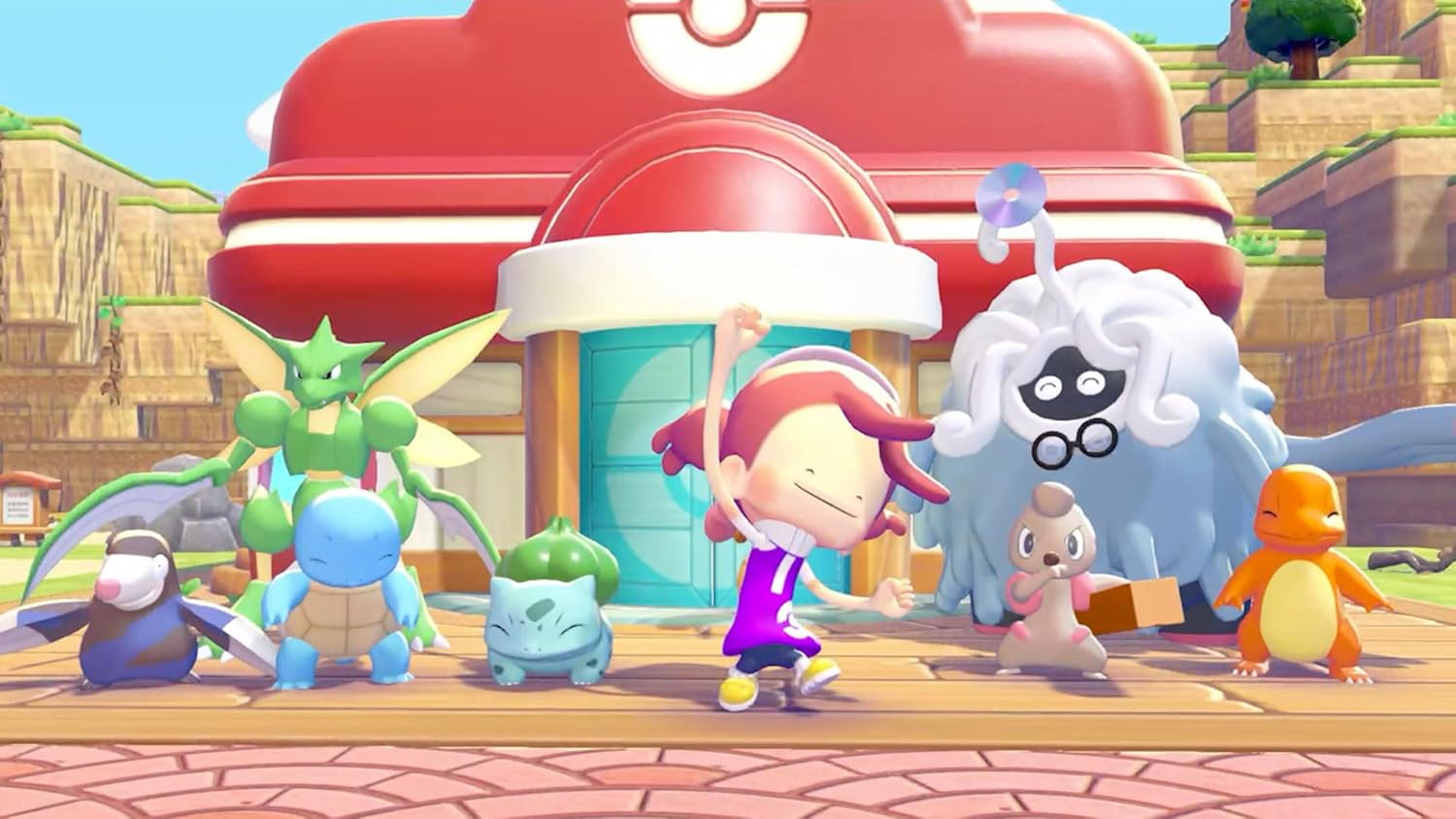
But aside from that, performance in Pokemon Pokopia is perfect. It’s very visually detailed, and you can see for quite a distance to scope out points of interest like shining buried relics. I didn’t notice major slowdowns even after my “towns” started to fill up. We even get access to bag size and storage bin upgrades rather quickly, so I didn’t run into issues with being over-encumbered. It’s stable, it’s solid, and it makes me want to fill up every dilapidated space with both natural biomes and more urban living spaces.
Pokemon Pokopia invites us to discover, explore, rebuild, and reconnect, rewarding us for every action along the way. There are so many Pokemon to welcome home. We discover so many insights into their lives and what’s going on. It’s so easy to spend hours building things up so they’re more comfortable for us and our new friends. Pokemon Pokopia is a lovely spin-off and one of the best games on the Switch 2.
Pokemon Pokopia will come to the Switch 2 on March 5, 2026.
Pokemon Pokopia
Pokemon Pokopia invites us to discover, explore, rebuild, and reconnect, rewarding us for every action along the way.