


 By
By 
Back when I played an early build of My Hero Academia: All’s Justice on the PC for a preview, I felt a little concerned about how it ran and the execution of a Hero’s Diary Mission. It seemed like a sound idea and interesting send-off in honor of the manga, anime, and this series of game adaptations ending! But it also felt a little generic and buggy. Now that I got to properly play through My Hero Academia: All’s Justice on the Switch 2, it still feels more impressive for the efforts of Byking to pack as much into the final game in this series and not due to gameplay elements.
The Story Mode in My Hero Academia: All’s Justice primarily focuses on the Final Act Saga and the war arc, which means it’s covering all the UA School students and Pro Heroes coming together to face off against All for One and Tomura Shigaraki for the last time. However, there are references to past major battles and moments between students with the Archives Battle and Hero’s Diary modes. Those are brief experiences without much actual “story” to them. As for Team Up Mission, it functions a bit as something of a campaign as well, as we see Izuku “Deku” Midoriya and his friends/fellow students in-training in the virtual world made by Mei Hatsume. The thing to remember about all of it is that, while it is retelling the story, this is a truncated take on it without the same elaboration as the actual anime or manga. I feel like it isn’t the best option for newcomers or folks who haven’t already finished the series.
Probably the biggest draw in My Hero Academia: All’s Justice is that there are 46 student and pro hero characters, 17 villains, and five characters who could fall into sometimes-hero sometimes-villain categories in the base game. An additional three DLC characters are out. It’s a very well-rounded roster! Especially when it comes to Class 1-A students. However, you do need to keep in mind that there are a lot of different versions of the same people here too. There are six of Deku, counting his Overlay Full Style DLC form! Two versions of All Might show up. There are two Dabis, two Tomura Shigarakis, and three All for Ones. While there are 71 fighters available as of time of writing when you count add-ons, it really comes down to 61 unique individuals.
While the modes offer different variations and set-ups for fights, with a traditional Versus among them, the gameplay in My Hero Academia: All’s Justice tends to remain the same regardless of mode. It is a standard 3D arena fighter, just like the My Hero One’s Justice previous games. In most situations, it is a 3v3 match-up with players choosing different characters and swapping between them in a fight. Each one has a different moveset based on their Quirk, with the Super Smash Bros approach to simplified inputs for flashy attacks. It’s… basically the same old, same old. Some campaign, Team Up, and Hero’s Diary situations only involve one character. (Hero’s Diary might not even involve combat and instead could involve talking to people or platforming.
The new element in this installment is a Rising mechanic and gauge that joins the existing Plus Ultra one used for special moves. Triggering Rising when the gauge is maxed out changes the character’s appearance visually as a visual cue that their attacks and abilities are all enhanced. It’s essentially a way to power up folks more in a nod to events of the manga and anime. Handy? Sure. Revolutionary? Not so much. It can be handier for some folks than others, given Tsuyu “Froppy” Asui turns invisible, Toru “Invisible Girl” Hagakure ditches her shoes and gloves to be totally unseen, and Fumikage “Tsukuyomi” Tokoyami basically becomes a huge bird shadow.
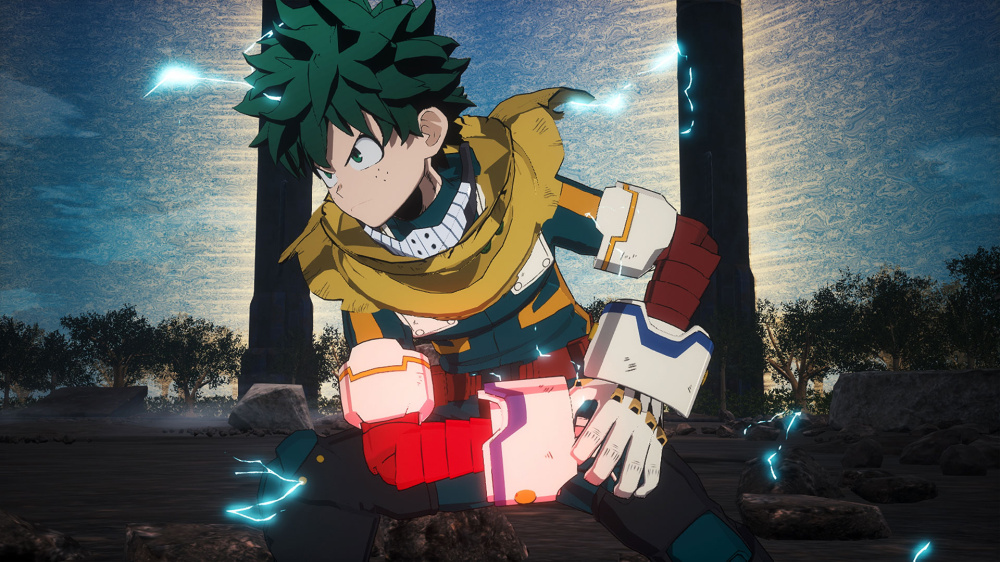
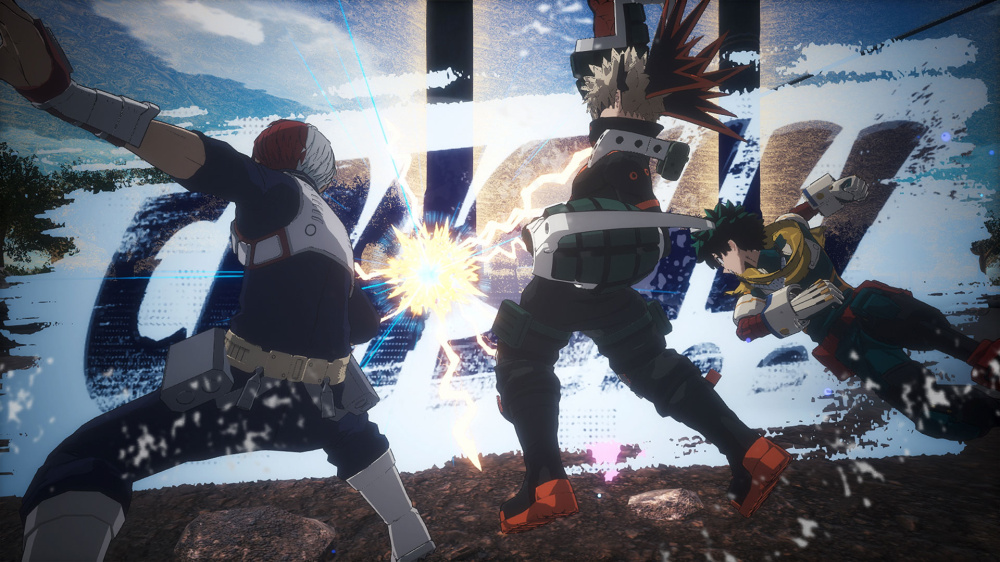
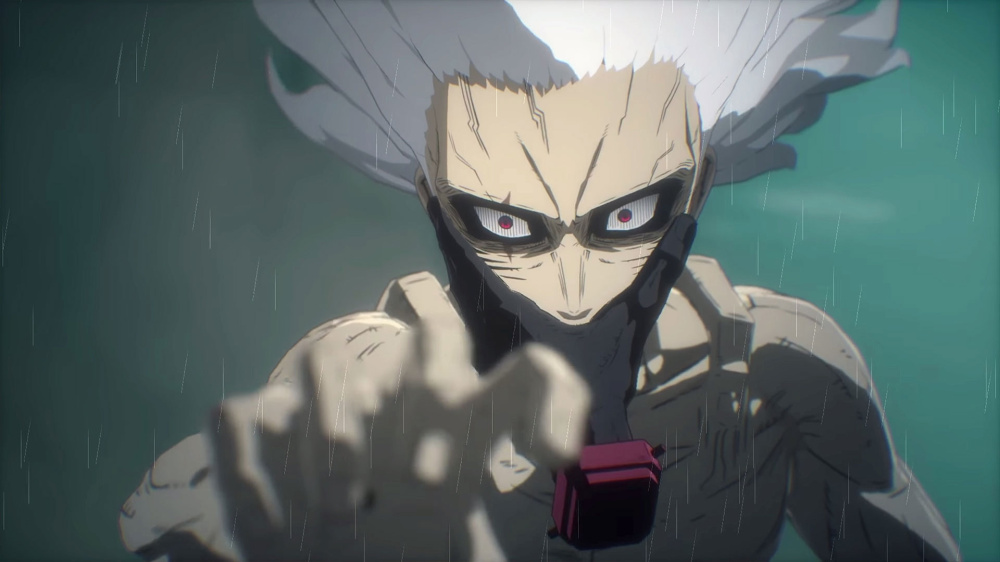
In terms of gameplay, My Hero Academia: All’s Justice generally runs okay on the Switch 2. It’s, again, nothing earth-shattering. It is at 30fps compared to the 60fps on every other platform. It generally seemed smooth, though I did occasionally experience some lag in the Team Up open areas. Visually, it’s fine and on par with the other consoles since each one is locked at 1080p everywhere. It’s another example of a port that works fine enough. The GameShare GameChat option is a nice perk for people who want to play with others with one copy. That is limited to only 25 fighters from the roster, however, and only online.
My Hero Academia: All’s Justice feels like a release meant for folks keeping up with the series, especially now that the Switch 2 version is here. The combat isn’t exciting. It’s a typical 3D arena fighter from Byking. The story offers a CliffsNotes approach to the end of the series. The other modes feel designed to add a little extra flavor and additional challenge. It’s definitely better than Jujutsu Kaisen Cursed Clash!
My Hero Academia: All’s Justice is available for the Switch 2, PS5, Xbox Series X, and PC.
We may earn a commission if you purchase from certain links. Learn more here.