


 By

NIS’ Yomawari series is an underrated line of horror games about running from yokai and spirits while exploring towns and solving what is absolutely going to be an unsettling and heart-wrenching mystery. Well, guess what? Village in the Shade is everything we love from the Yomawari series, from the horror to the lovely art direction, while also implementing solid farming sim and socialization elements. It’s a delightful game, especially since it also makes the scares optional, and might be one of the best games NIS America’s released in years.
Like the Yomawari games that came before it, Village in the Shade starts with an ominous opening hinting at the horror that awaits before sending us right into the farming sim elements. We see our character working on a farm, harvesting crops, when they notice a chicken going astray. Following it leads them through the woods, up the mountain, to a shrine. There, a figure stands in front of a tree with a massive hole near it. We approach it, but there seems to be no response. Then, we cast ourselves into that gap.
The screen cuts to black.
When “our vision” returns, we see our character climbing out of the hole and heading back down the mountain. There, they’re found by the villagers Komako and Kisuke. She worries about getting in trouble for finding us, while he suggests we resemble a child from a missing poster he’d seen when he was a kid. After being brought to the Kagatsu Village head Rin, we’re quickly forced into a contract, saddled with an unreasonable debt, and forced to “prove” ourselves as a potential resident and follow certain strange rules before being accepted and even interacted with by the townsfolk.
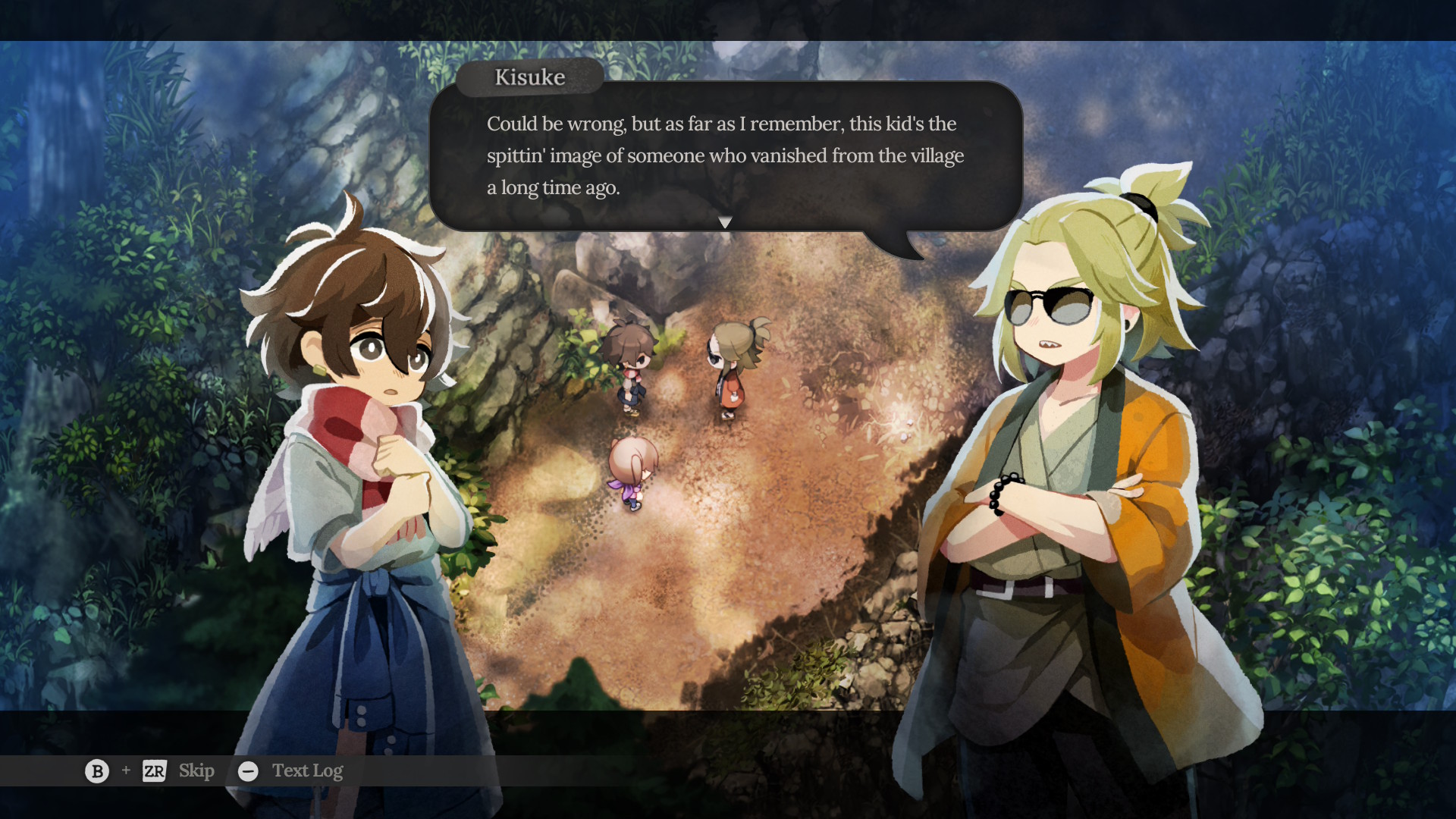
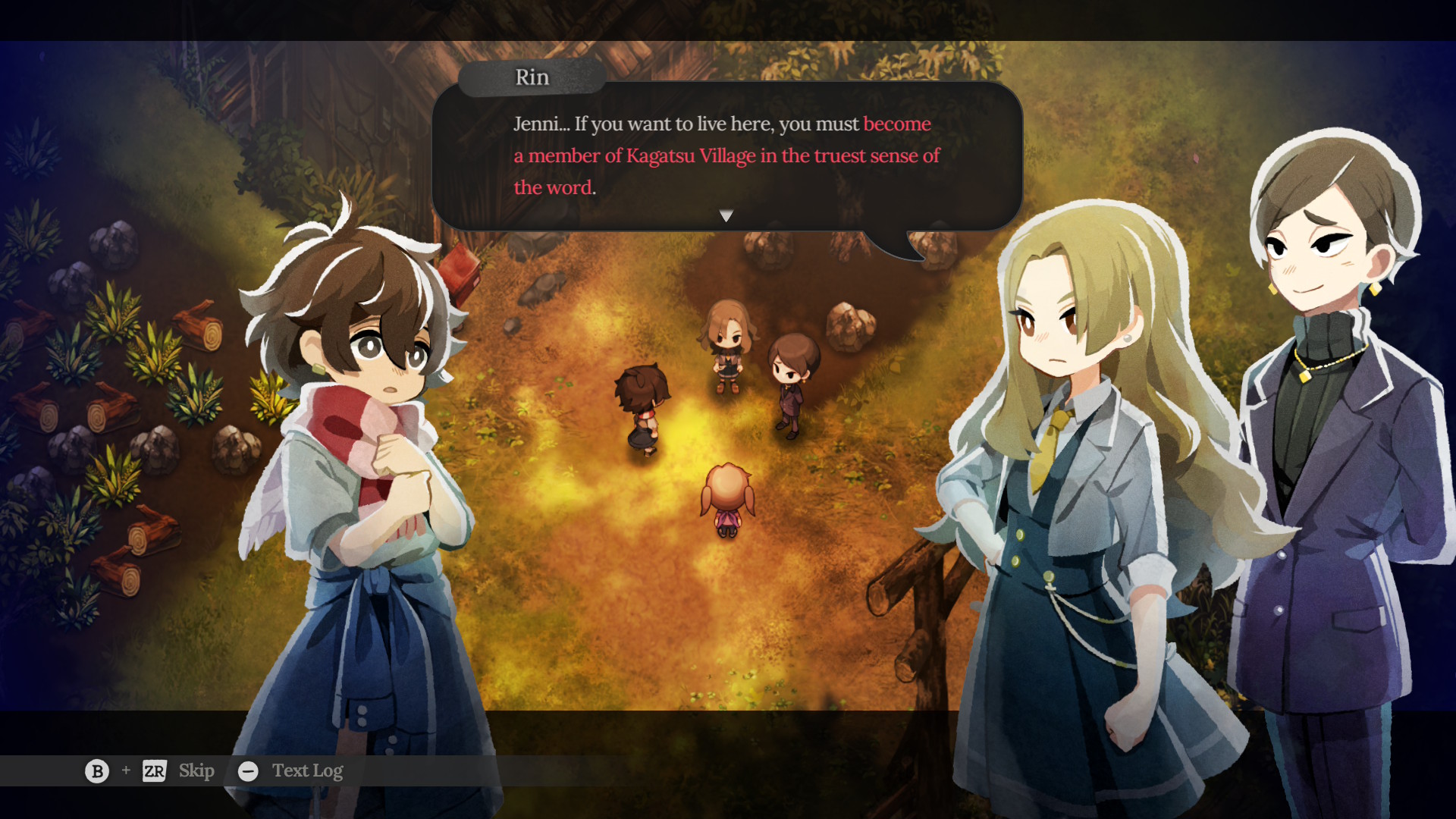
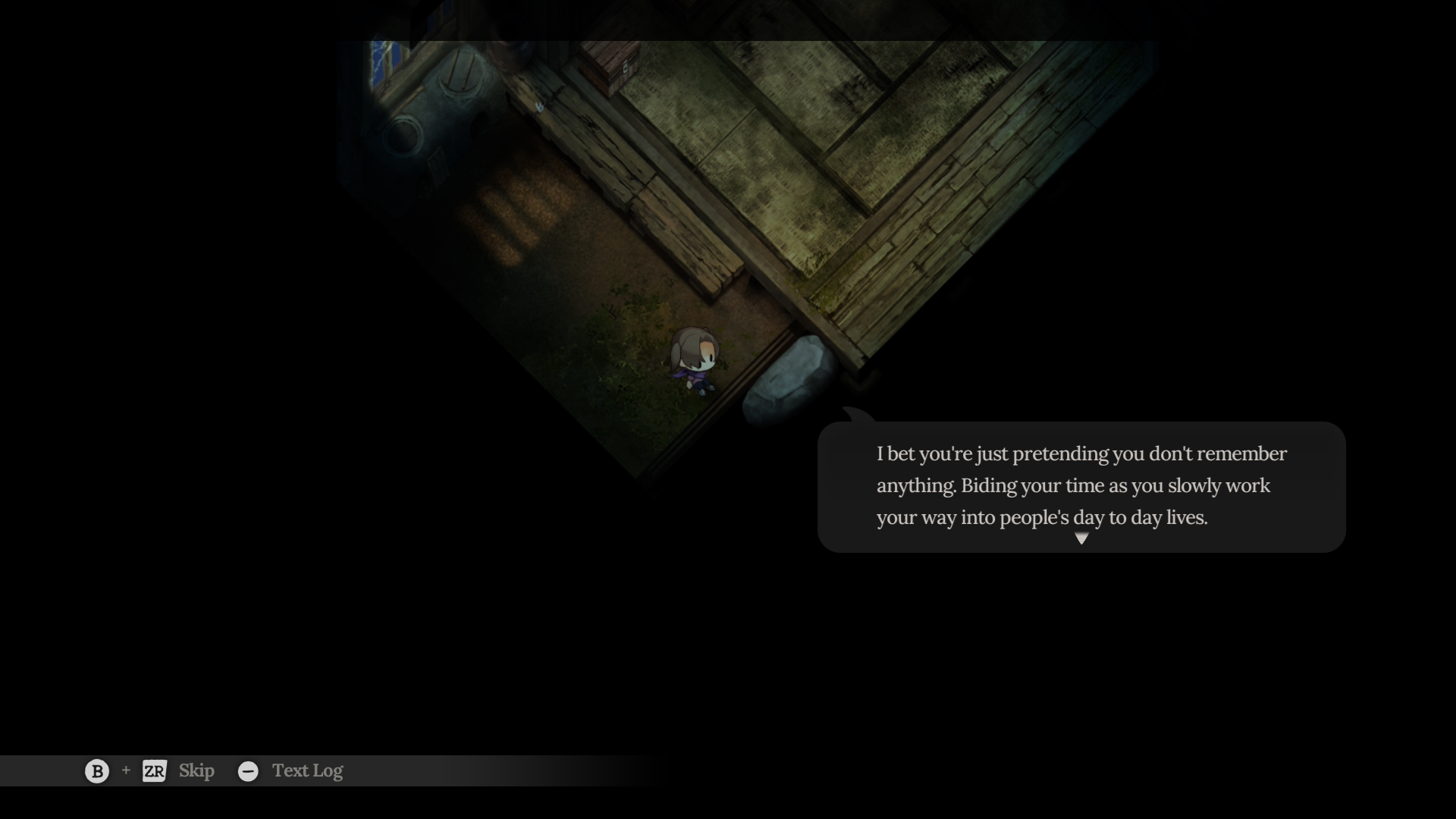
Village in the Shade’s opening hits like a gut punch and never lets up when it comes to establishing what this horror game and farming sim will entail. The opening is fantastic and reminds me of both Yomawari: Night Alone and Midnight Shadows. It’s haunting! Likewise, the first hour or so getting established at Kagatsu is equally effective. We’re 100% treated as an outsider and “other.” It is absolutely designed to make us feel isolated and on-edge, and it’s so good at raising questions. Especially given the rules that are clearly made to be broken and the hints at what’s going on in the village and with its characters. It basically baits a player into doing getting involved and confronting their possible fears.
I also love how well the Yomawari art direction and isometric perspective lend themselves to Village in the Shade. It makes me wonder why we haven’t seen more farming sims take this sort of sepia-toned, overgrown approach and viewpoint. One of the only comparisons I can really think of is the Cozy Grove series, but even its artistic aesthetic doesn’t hit in the same way.
What I will say is, while I do appreciate the Village in the Shade mode with none of the horror elements, I do think it needs that extra element of the story even though the farming sim portion is solid. I think I’d almost encourage someone who is concerned to at least try going through the first in-game week to see if they can manage, because the story is a really strong one! There’s so much going on, and the way revelations build are gripping. That said, trigger and ESRB warnings are valid, as there are things like graphic violence, horrifying creatures, and some animals are harmed over the course of the tale.
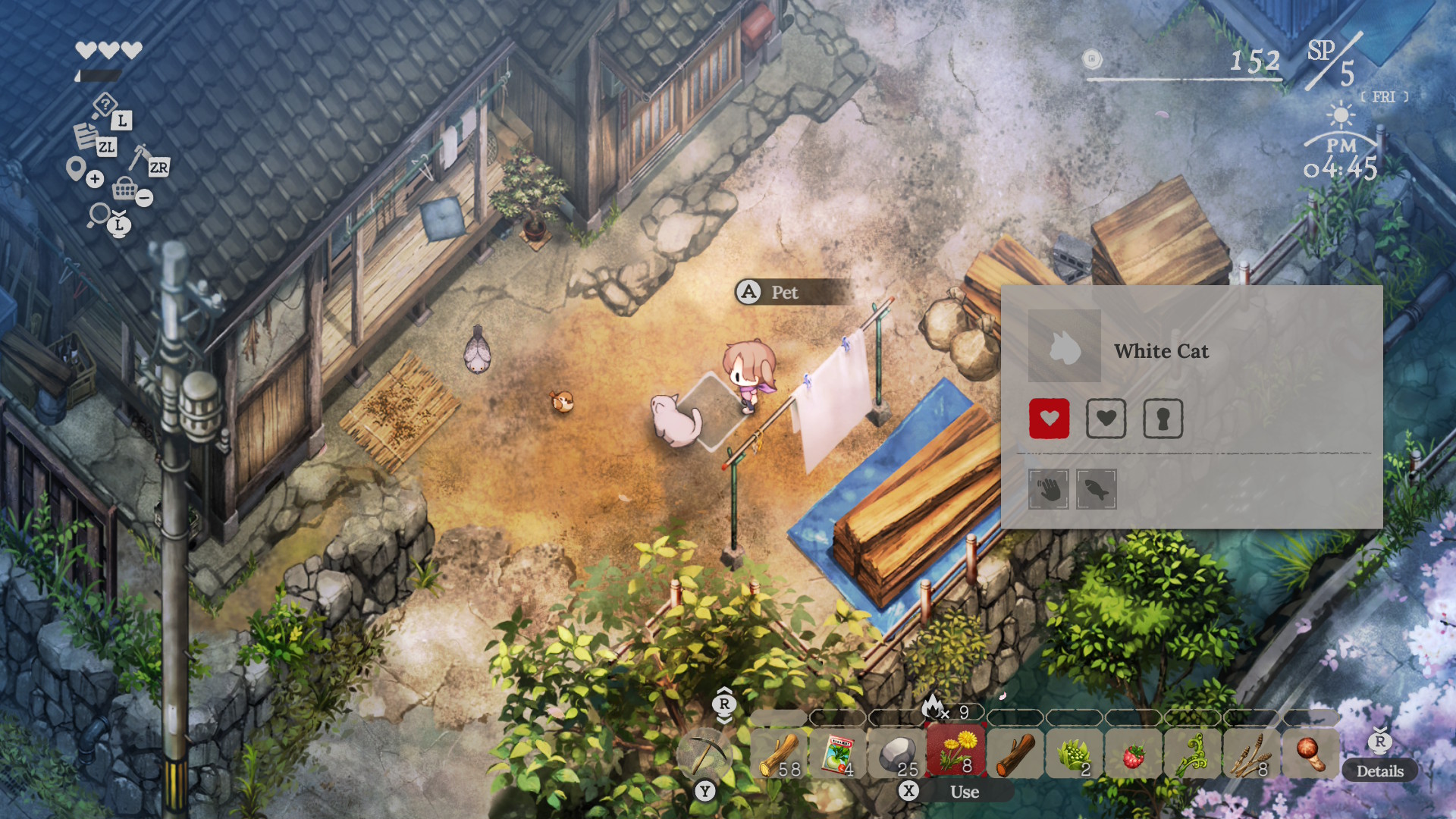
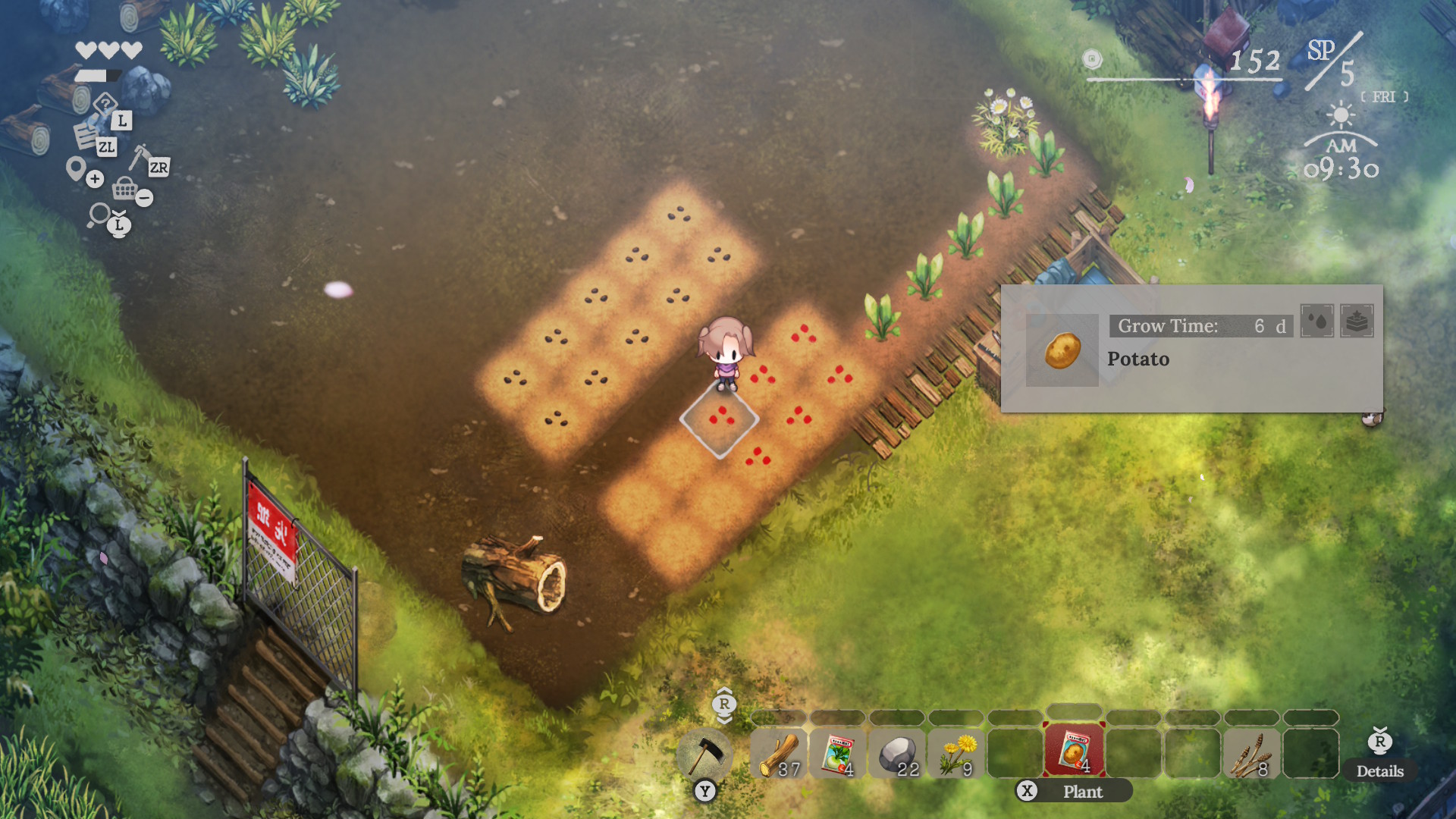
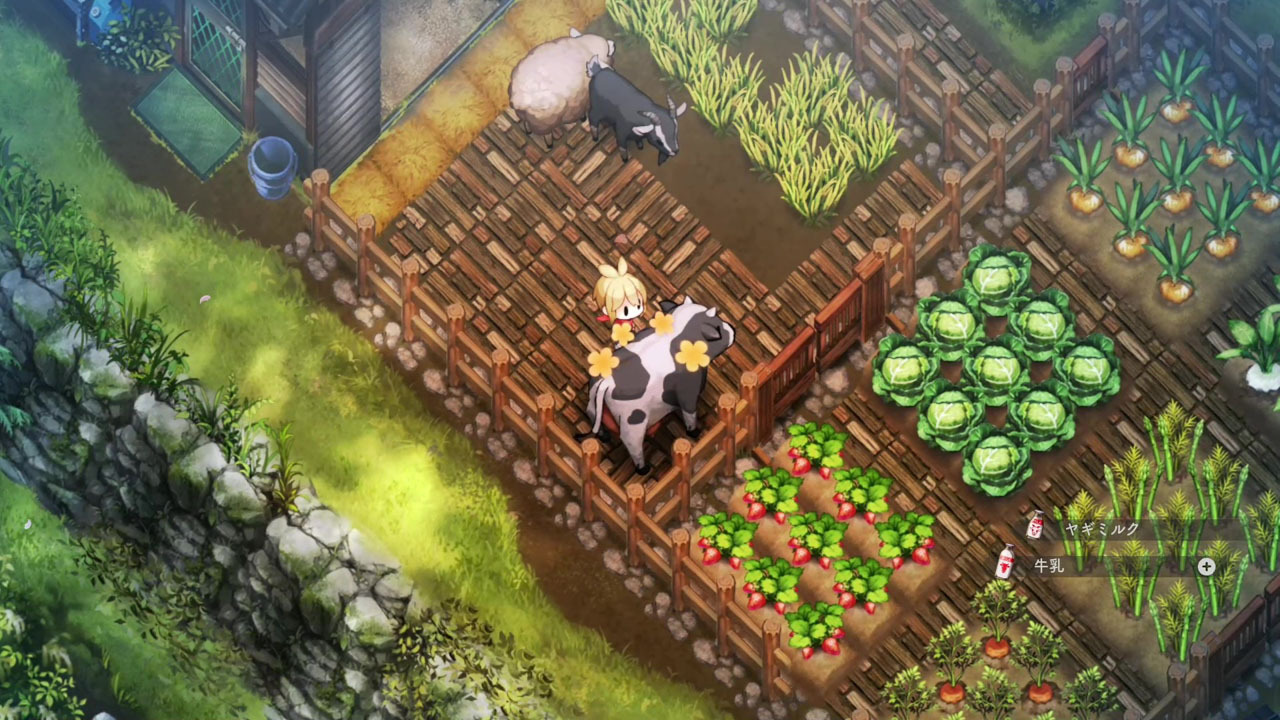
That said, regardless of which mode you choose, Village in the Shade is pretty solid either way. It’s a pretty standard feedback loop for the farming and life sim portion. You wake up. First order of business is to take care of any livestock you may own by caring for their needs and getting their products either to ship immediately or process into other goods. From there, it’s time to tend crops. This involves watering, weeding, harvesting, planting, and clearing fields. By engaging in activities and gathering, you might be able to craft other items, cook, and customize your farm. When chores are done, you can visit people in town, pet cats, and fish or hunt once you learn how. While there is no romance, you can build up relationships with townfolk, get to know them (and their secrets), and engage in festivals.
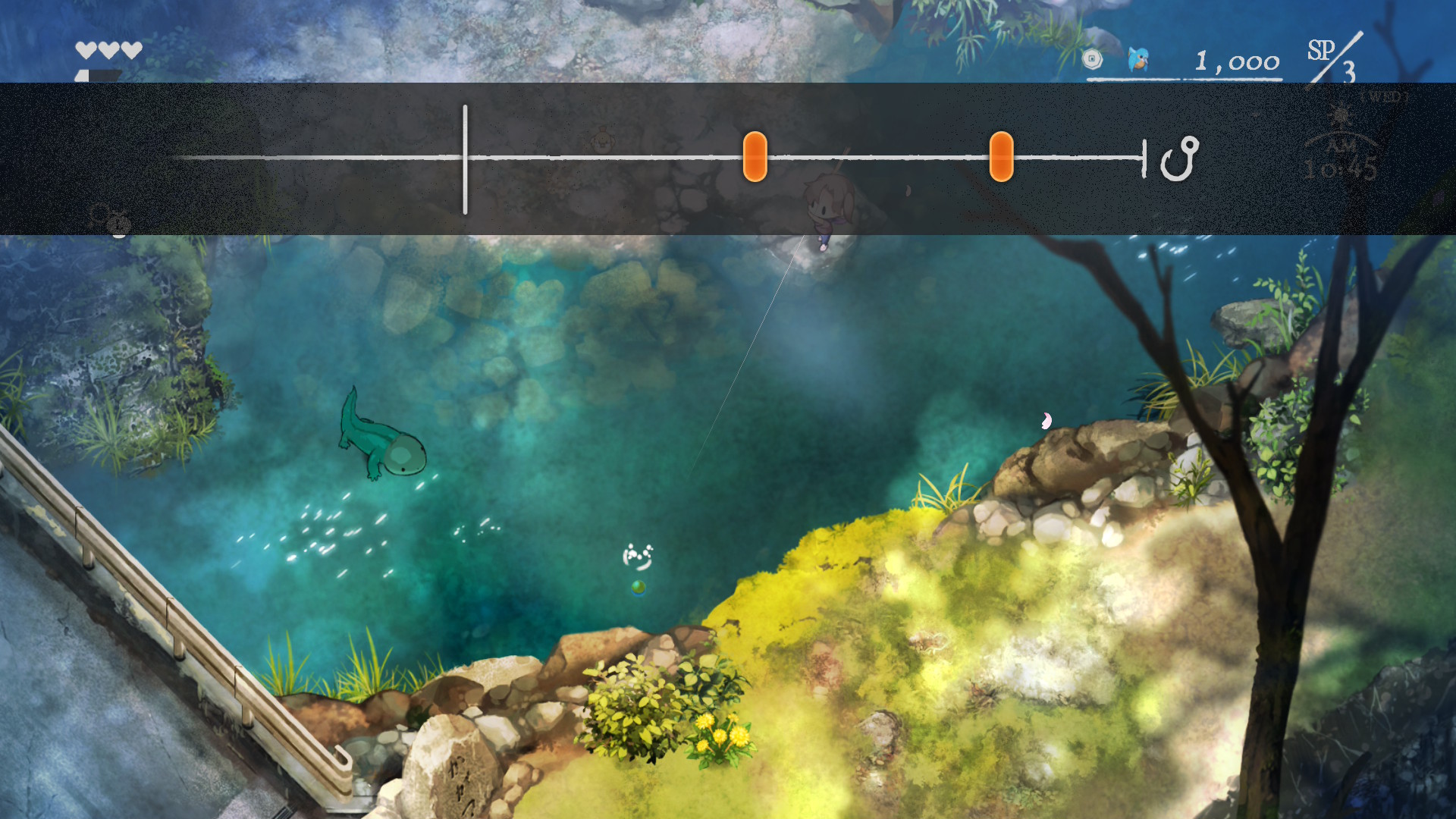
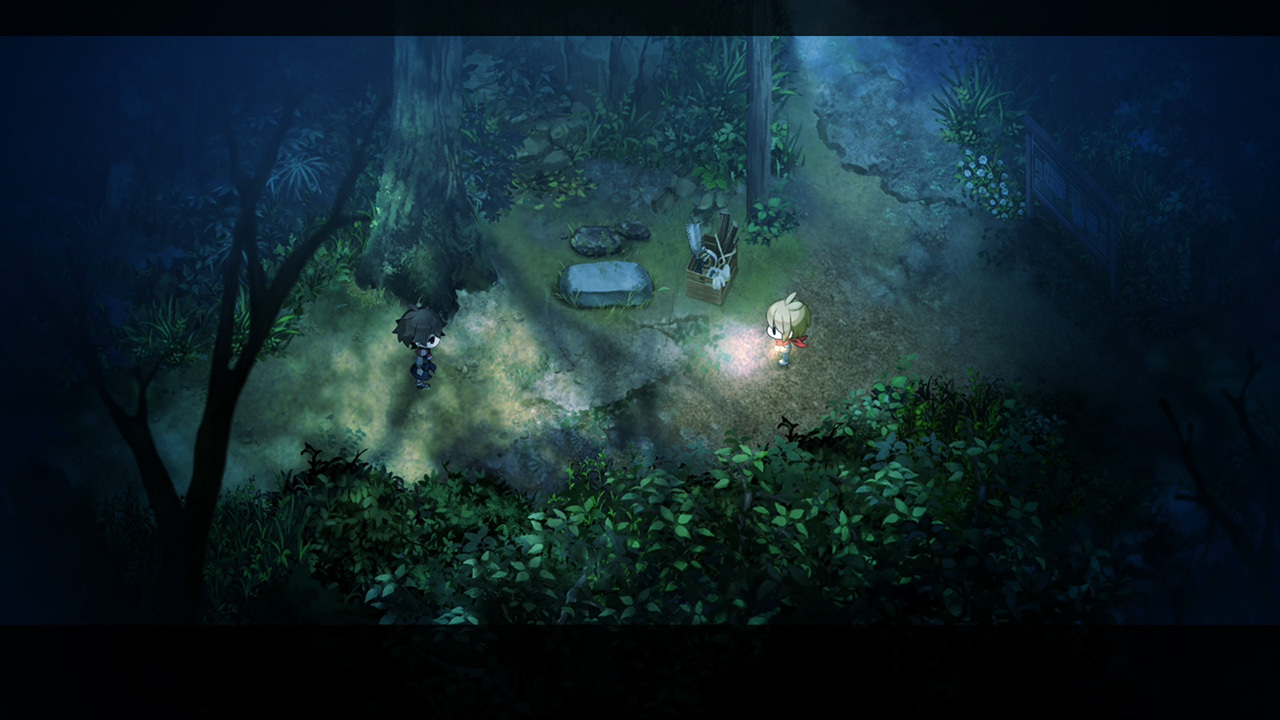
As for the night, going with Village in the Shade as-is means the horror elements come up once you’re done with farming and life sim gameplay during the day and turn-in at night. Initially, you’ll be unable to venture out after 11pm due to it being against Kagatsu’s rules. However, to figure out the mysteries, you need to break rules. And the really fascinating part is, this isn’t a situation where things are only dire and scary at night. Some of the entities we’ll meet aren’t out to get us. They might even help. Others are monstrous, huge, and dangerous. We can even stand up against and fight some foes, rather than just be forced to run as in Yomawari. The interactions are varied, and I really appreciated that some were designed to scare me and others were intended to further establish the otherworldly nature of the in-game world.
What’s handy is there are also some great quality of life elements in Village in the Shade that don’t show up in some other farming sim games, and I wish they did. When we look at the character page, it shows us right away our neighbors’ liked and hated items. If the general store owner is away, we can still shop, and it’s possible to “note” items we want to buy so we can keep a shopping list as-needed. All gathered items could be nibbled for more stamina. We get a fast-travel whistle pretty quickly, as well as bag upgrades that aren’t unaffordable. Even specializing in crops means something that is normally low value and grows quickly could become viable if we rank it up through experience.
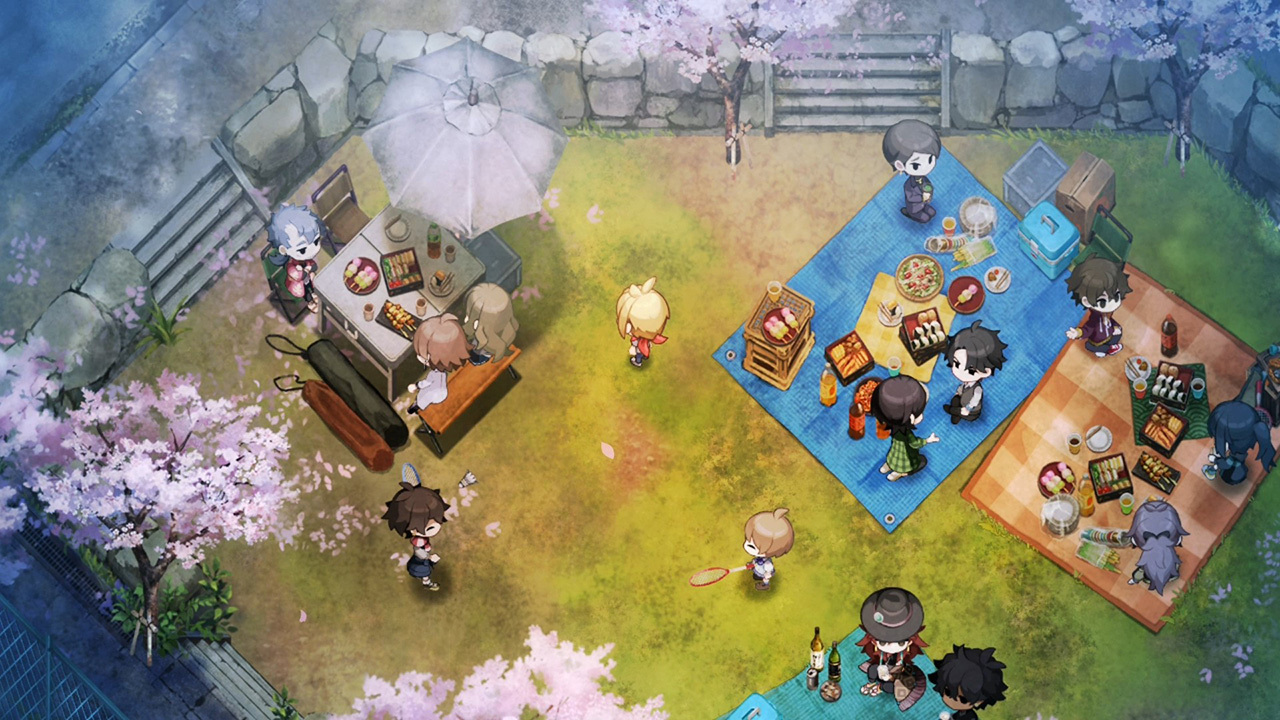
I do think some of the positioning elements felt a little fiddly on the Switch 2. Like I’d overshoot tree stumps, rocks, and garden plots that I needed to tend and found myself resorting to strafing a lot to cover those. Likewise, getting accustomed to placing cosmetic or useful furniture or decorative items also takes a minor bit of adjustment. It might not always be clear where something can and can’t be placed. This can also go for some collection elements. Until you realize what some things you can forage look like, you might not catch they’re items you can grab and use unless you already ran right over them or picked them up a few times. Again, all of these are things you adjust to and are never really major issues.
No matter how you play, Village in the Shade is a gorgeous and wonderful farming sim, though it is at its best when you also embrace the horror. The story is fascinating. The Yomawari style elements are blended perfectly into it. The farming gameplay loop offers lots of positive feedback and some handy quality of life elements. It’s wonderful, and I hope it does well enough to both inspire a sequel and maybe even renewed interest in Yomawari as well.
Village in the Shade will come to the Switch, Switch 2, PS5, and PC on October 27, 2026.