


 By

Because interactivity is a vital part of video games as a storytelling medium, mechanics can be part of the narrative, and sometimes these mechanics can get frustrating. As studios strive to create more “modern” games, I’ve noticed games with less friction and smoothed out edges, with most egregious examples removing “frustrating” elements in post-release patches. While this is likely to make games more palatable to retain as many players as possible, it can risk lowering quality or robbing games of a unique identity.
Patch 1.4.0 in Silent Hill: Townfall was a frustrating one. The extreme nerfs that Konami and Screen Burn introduced basically neutered a game that already had a fairly reasonable difficulty level. If you liked the game as it originally was, too bad. Sure, the AI for The Weight was annoying. When I wrote the review, I already figured that Screen Burn would do something about it. Its constant tailgating and camping felt like something had gone awry with the game balance. But when the patch nerfed it, I didn’t think that it would also nerf all enemies, add hints to perfectly fine puzzles, and remove The Weight’s instant kill.
This patch was a major overcorrection. There was no need for all the extra “fixes.”
Silent Hill: Townfall came out around Wolverine did. That got a lot of flak for its ludicrous amounts of hand-holding. You might’ve seen the infamous “fart trail” controversy. The game told you exactly where you needed to go, as well as pinged even hidden treasure chests. There’s no need to use your brain when playing it. In contrast, Silent Hill: Townfall and its lack of overt hints, as well as the implicit expectation that players could figure out ways around the enemies, made it feel all the more satisfying.
There’s a sense that studios are listening to anyone complaining about even a minor challenge and lowering the game’s difficulty to accommodate. Past games expected players to learn how to engage with the game’s mechanics and controls, as well as better themselves to clear a challenge. Maybe this worry about games being too hard or “annoying” stems from the wealth of content we have today. If someone can’t beat a game because they’re stuck, they could always just boot up another one or play a live-service F2P.
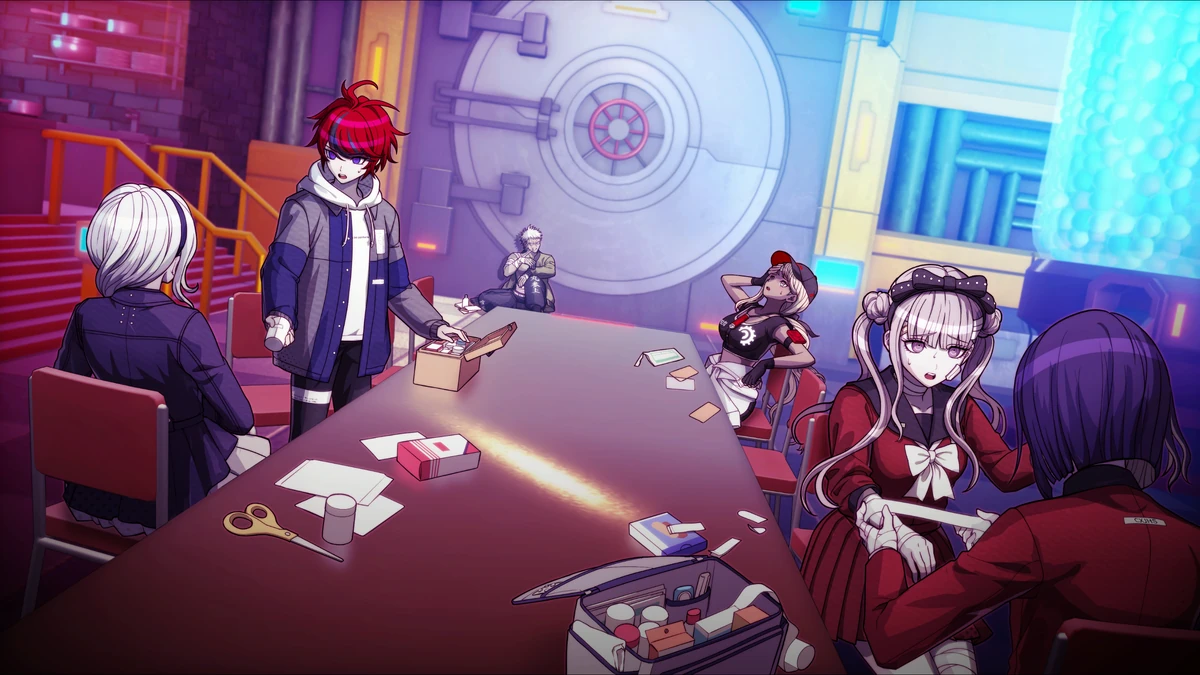
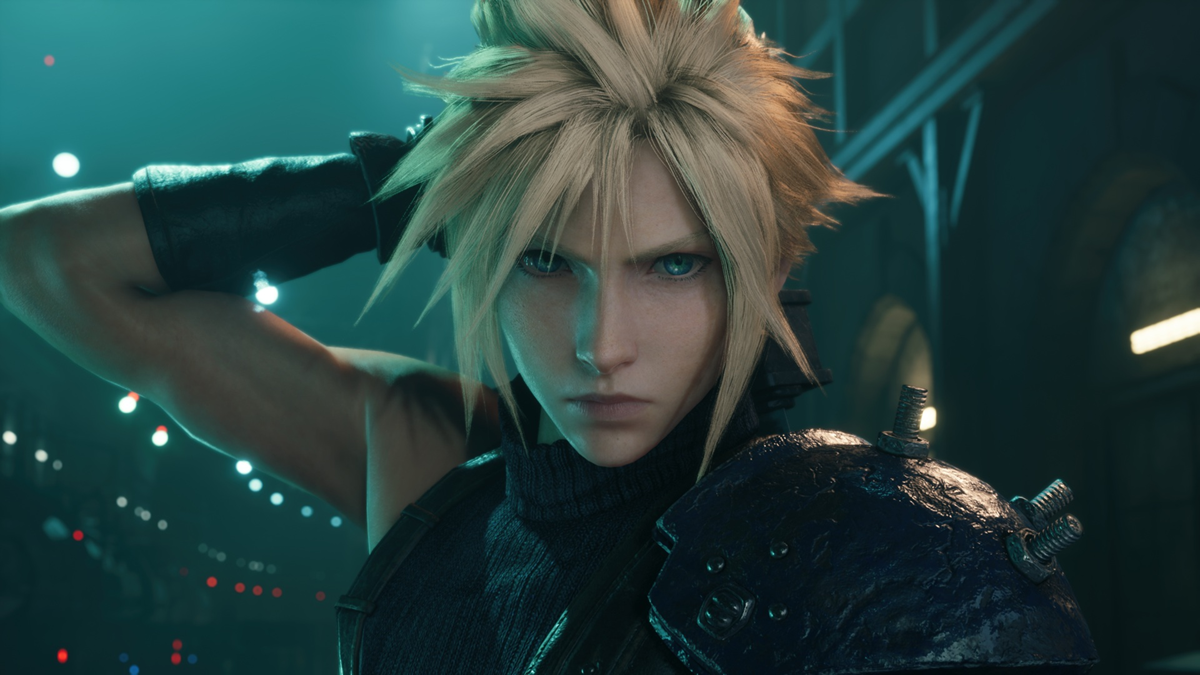
Aside from games becoming too easy, the smoothing of friction can ruin an artistic vision. Take Silent Hill: Townfall again. Because The Weight has an instant kill, Simon surviving an attack carries weight (pun intended) in the final battle. Take The Hundred Line‘s Serial Battles Route. This route sucks because the constant defensive battles are annoying! That’s the point! That’s the consequence of your actions. By allowing you to skip it all, you don’t feel the hellish and constant slog of war that this route hammered home. Heck, the craziest thing I heard is potential auto-leveling in the upcoming Final Fantasy VII: Revelation because people didn’t want to engage with side content and grind. Then why play an RPG? Wait until the cutscenes are on YouTube instead.
A common defense I see about stuff like the potential auto-leveling in the upcoming Final Fantasy VII: Revelation is that it’s an accessibility feature. It is not. Accessibility features are for accommodating an impairment that could have a detrimental effect on clearing a game, such as enlarging text. (Ironically, a lot of Square Enix games seriously need that.) Conveniences aren’t accessibility features. No one considers auto-save an accessibility feature, even though it saves players time and effort. It feels like people who want these additions can’t or aren’t willing to just play shorter sessions over a longer period to clear a game, which is what people with busy schedules used to do.
Not every game is going to be easy or cozy. Not every game is going to be for everyone. Both should be okay. Friction gives a player room and incentive to engage with the story, system, and mechanics. I’m sympathetic to a degree, of course. Games can be so expensive to make that studios likely don’t want to risk alienating too many players. But I’m not sure that over-correcting like this is the right way to go about it, especially if it ends up pushing away players who are legitimately into the hobby.